How to Prepare Traditional Cornish Pasties: A Detailed Guide
Classic Cornish Pasties
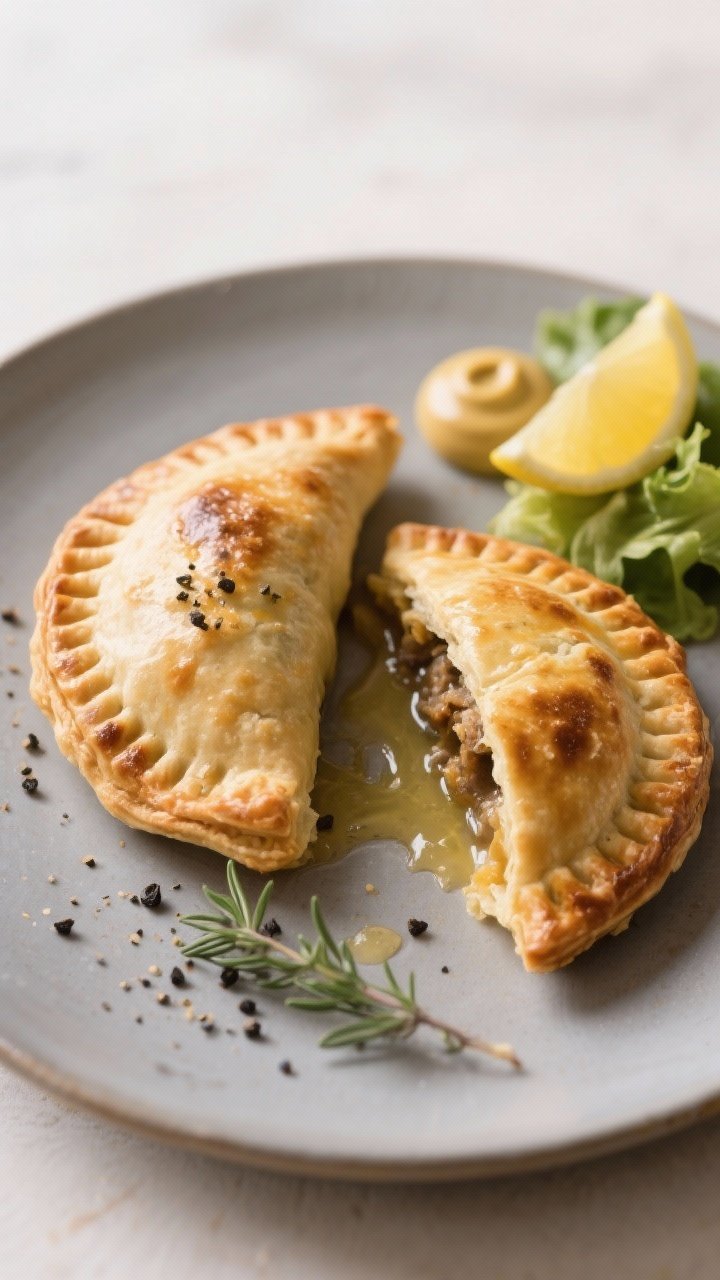
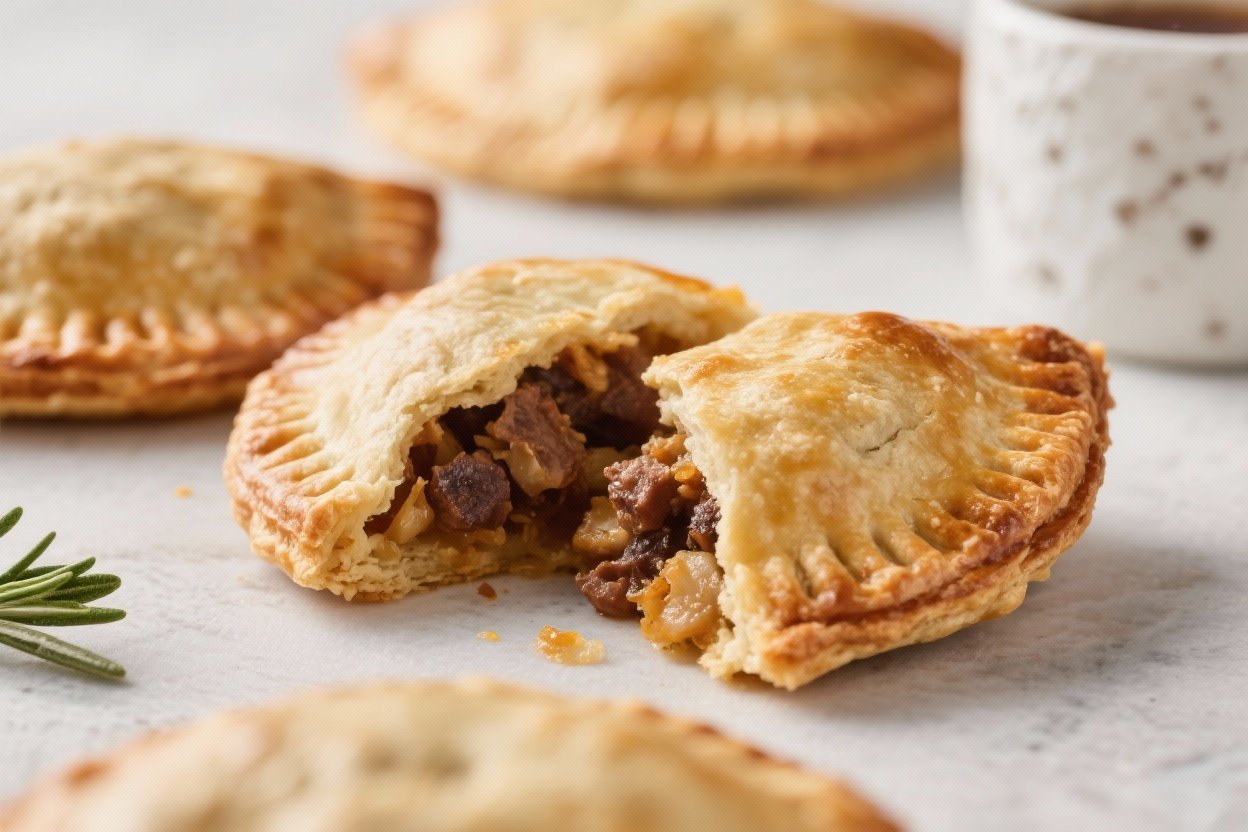
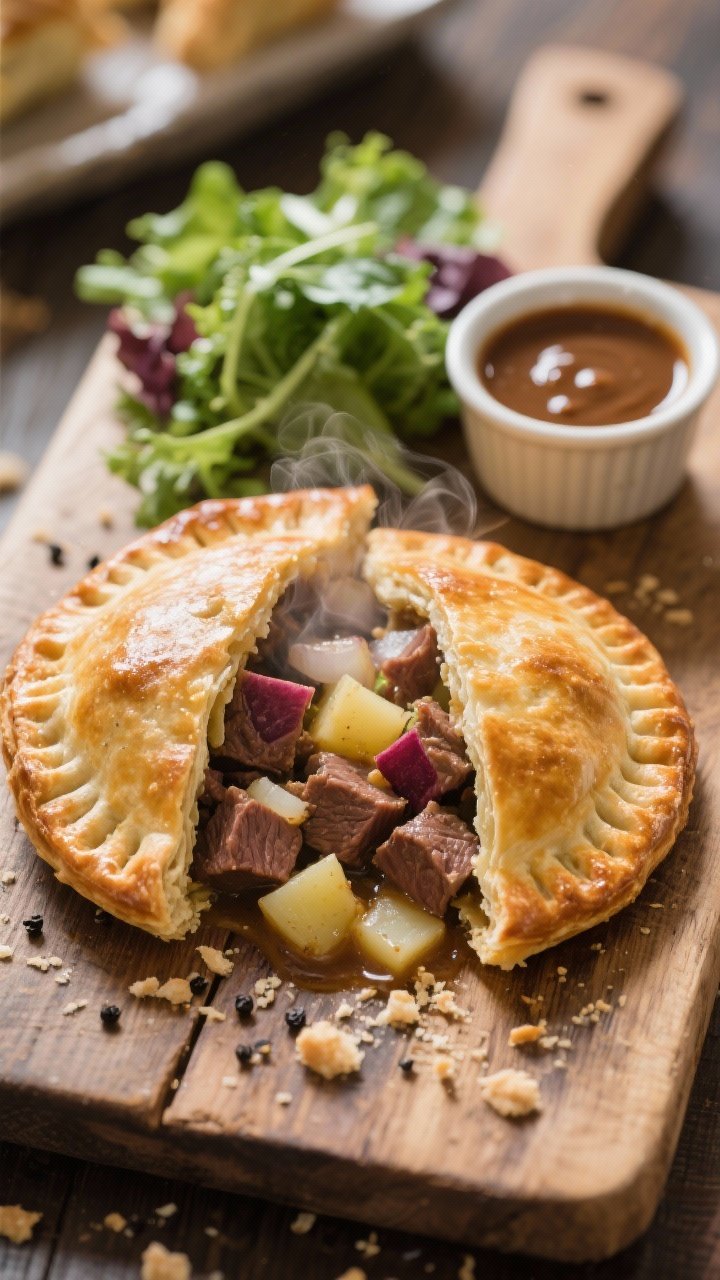
Cornish pasties are classic British hand pies with a flaky crust and a hearty, savory filling. Think tender beef, potatoes, and root vegetables sealed in a golden half-moon pastry. They’re practical, portable, and deeply satisfying.
Make them for weekend baking, weekday lunches, or cozy dinners with a simple salad. If you like recipes that deliver comfort with minimal fuss, this one’s for you.
Why This Recipe Works
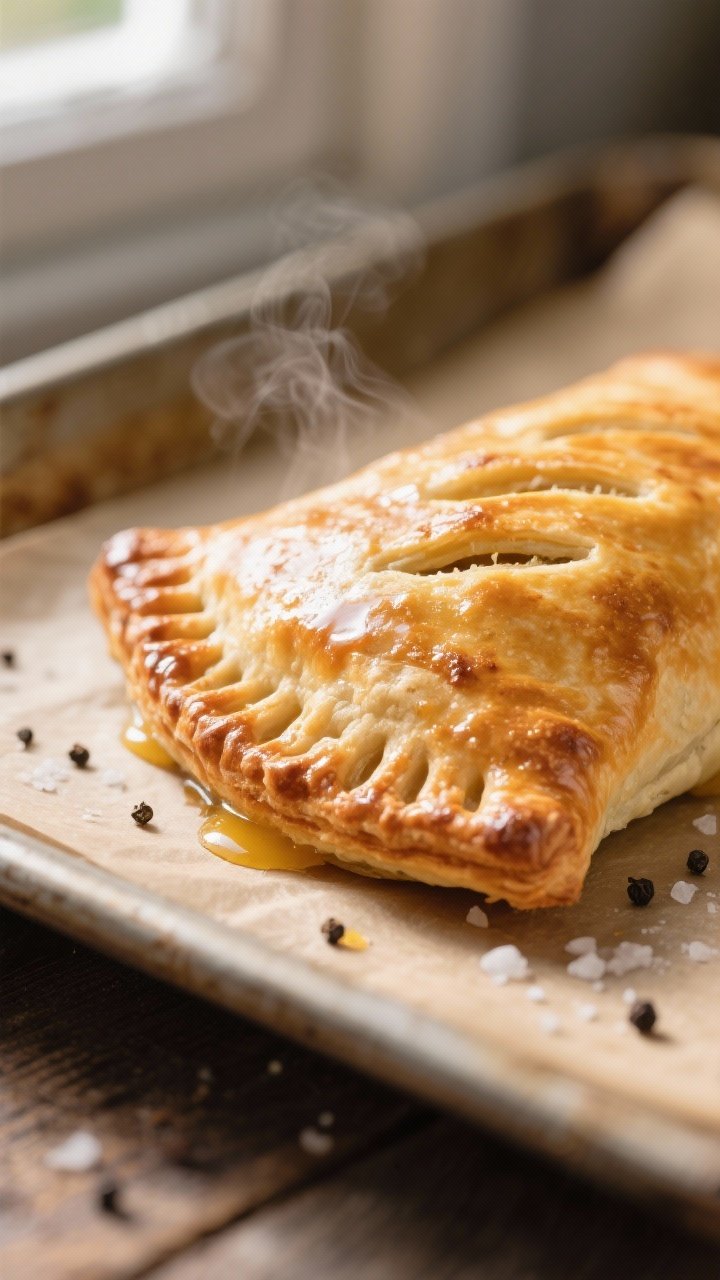
Sturdy shortcrust pastry: A slightly richer shortcrust holds its shape, stays flaky, and doesn’t leak. It’s easy to crimp and travels well.
Raw filling cooks in the pastry: Thinly sliced vegetables and small beef cubes steam inside, creating juicy, flavorful bites without precooking.
Traditional seasoning: Just salt, pepper, and butter let the natural flavors shine, keeping things authentic and satisfying.
Balanced veg mix: Potato, swede (rutabaga), and onion offer sweetness, earthiness, and texture, so every bite feels complete.
Shopping List
- For the pastry:
- 3 1/4 cups (400 g) plain/all-purpose flour
- 1 teaspoon fine salt
- 10 tablespoons (140 g) cold unsalted butter, diced
- 1/2 cup (100 g) cold lard or additional butter, diced
- 2/3 cup (160 ml) cold water (plus 1–2 tablespoons if needed)
- 1 large egg (for egg wash)
- For the filling:
- 12 oz (340 g) beef skirt or chuck, trimmed and cut into small 1/2-inch cubes
- 1 medium waxy potato, peeled and finely diced or sliced thin
- 1 cup swede/rutabaga, peeled and finely diced
- 1 small onion, finely chopped
- 1–2 tablespoons unsalted butter, cut into small pieces
- Salt and freshly ground black pepper
- Optional to serve: Brown sauce, mustard, or a simple side salad
Step-by-Step Instructions

- Make the pastry: In a large bowl, mix flour and salt.
Rub in cold butter and lard with your fingertips until the mixture looks like coarse breadcrumbs with some pea-sized bits left. Add most of the cold water and bring the dough together. If dry, add another tablespoon of water.
Press into a disc, wrap, and chill for 30–45 minutes.
- Prep the filling: Cut beef into small cubes. Finely dice potato and swede, and chop onion. Keep pieces small and even so everything cooks through at the same time.
- Season well: In a bowl, combine beef, potato, swede, and onion.
Season generously with salt and pepper. Toss to distribute. Taste a raw veg piece for seasoning (you want it slightly salty since the pastry is plain).
- Heat the oven: Preheat to 400°F (200°C).
Line two baking sheets with parchment.
- Roll the pastry: Divide dough into 4 equal pieces. On a lightly floured surface, roll each piece to roughly 8–9 inches (20–23 cm) in diameter. Use a plate as a guide if you want tidy circles.
- Fill: Spoon a quarter of the filling onto one half of each pastry circle, leaving a 1-inch border.
Dot with a few small pieces of butter. Keep the filling compact and avoid overstuffing.
- Seal: Brush the pastry edge lightly with water. Fold the bare half over the filling to form a half-moon.
Press edges together to seal, then crimp by pinching and rolling the edge toward itself. This creates the classic pasty crimp and helps prevent leaks.
- Vent and glaze: Transfer pasties to the baking sheets. Beat the egg with a teaspoon of water and brush over the tops.
Cut a small slit on top of each pasty to let steam escape.
- Bake: Bake for 20 minutes at 400°F (200°C). Reduce heat to 350°F (180°C) and bake another 25–30 minutes until deep golden and crisp, and the filling is bubbling inside.
- Rest: Let the pasties sit for 10–15 minutes before serving. This helps the juices settle and makes them easier to handle.
How to Store
- Refrigerate: Cool completely, then refrigerate in an airtight container for up to 3 days.
- Freeze unbaked: Assemble, freeze on a tray until firm, then bag.
Bake from frozen at 375°F (190°C) for 50–60 minutes, tenting with foil if browning too fast.
- Freeze baked: Cool, wrap well, and freeze up to 2 months. Reheat at 350°F (180°C) for 25–30 minutes.
- Reheating tip: Use the oven, not the microwave, to keep the crust crisp.
Benefits of This Recipe
- Meal prep friendly: Make ahead, freeze, and bake when needed.
- Portable: Easy to pack for lunches, picnics, and road trips.
- Budget conscious: Uses affordable cuts of beef and staple vegetables.
- Comforting and filling: A complete meal in a neat package.
- Traditional taste: Simple seasoning lets the ingredients shine.
Pitfalls to Watch Out For
- Overworking the dough: This can make the crust tough. Mix until it just comes together.
- Chunky veg or meat: Pieces that are too large may stay firm.
Aim for small, even dice.
- Under-seasoning: Taste a veg piece before assembling. The filling should be well seasoned.
- Overfilling: Too much filling causes leaks and burst seams.
- Skipping the chill: Keep pastry cold and rest the formed pasties in the fridge for 10–15 minutes if your kitchen is warm for cleaner bakes.
Recipe Variations
- Cheese and onion: Swap beef for grated sharp cheddar and add extra onion. Reduce butter dots slightly.
- Chicken and leek: Use small diced chicken thighs with sliced leeks and a pinch of thyme.
- Vegetarian: Replace beef with mushrooms and add peas.
Consider a touch of grated cheese for richness.
- Peppered steak: Use more black pepper and a splash of Worcestershire for a bolder flavor.
- Whole-wheat pastry: Replace up to 1/3 of the flour with whole-wheat for a nutty, rustic crust.
FAQ
What cut of beef works best?
Skirt steak is traditional because it stays tender when diced small and cooked quickly. Chuck also works well if cut into small cubes. Avoid very lean cuts, which can dry out.
Can I use store-bought pastry?
Yes.
A good-quality shortcrust pastry will save time and still taste great. Avoid puff pastry if you want the classic texture and sturdy hold.
Do I need to cook the filling first?
No. The filling cooks inside the pastry as it bakes.
Just make sure the pieces are small and even, and bake long enough for everything to become tender.
How do I prevent leaks?
Keep the filling away from the edges, seal with a bit of water, and crimp firmly. Add a small vent on top to release steam. Don’t overfill.
What if I can’t find swede (rutabaga)?
Use more potato or substitute carrot for a similar sweetness and texture.
Keep the dice small so it cooks through.
Can I make mini pasties?
Absolutely. Roll smaller circles (5–6 inches) and reduce baking time by about 10 minutes after the temperature drop. Watch for even browning.
How do I reheat without drying them out?
Reheat at 325–350°F (165–180°C) until warmed through.
If the crust is browning too quickly, tent loosely with foil. Avoid microwaving if possible.
Are Cornish pasties traditionally crimped on the side or top?
Side crimping is common today and helps create the classic half-moon shape. The key is a tight, consistent crimp that seals in the juices.
In Conclusion
Classic Cornish pasties are simple, hearty, and rewarding to make.
With a crisp, golden crust and a savory filling that cooks right inside, they’re perfect for both comfort dinners and grab-and-go lunches. Master the pastry, keep the filling small and well seasoned, and you’ll have a timeless bake worth repeating. Enjoy them warm today and stash a few for future cozy meals.