How to Make Kutia or Kolivo with Walnuts and Honey
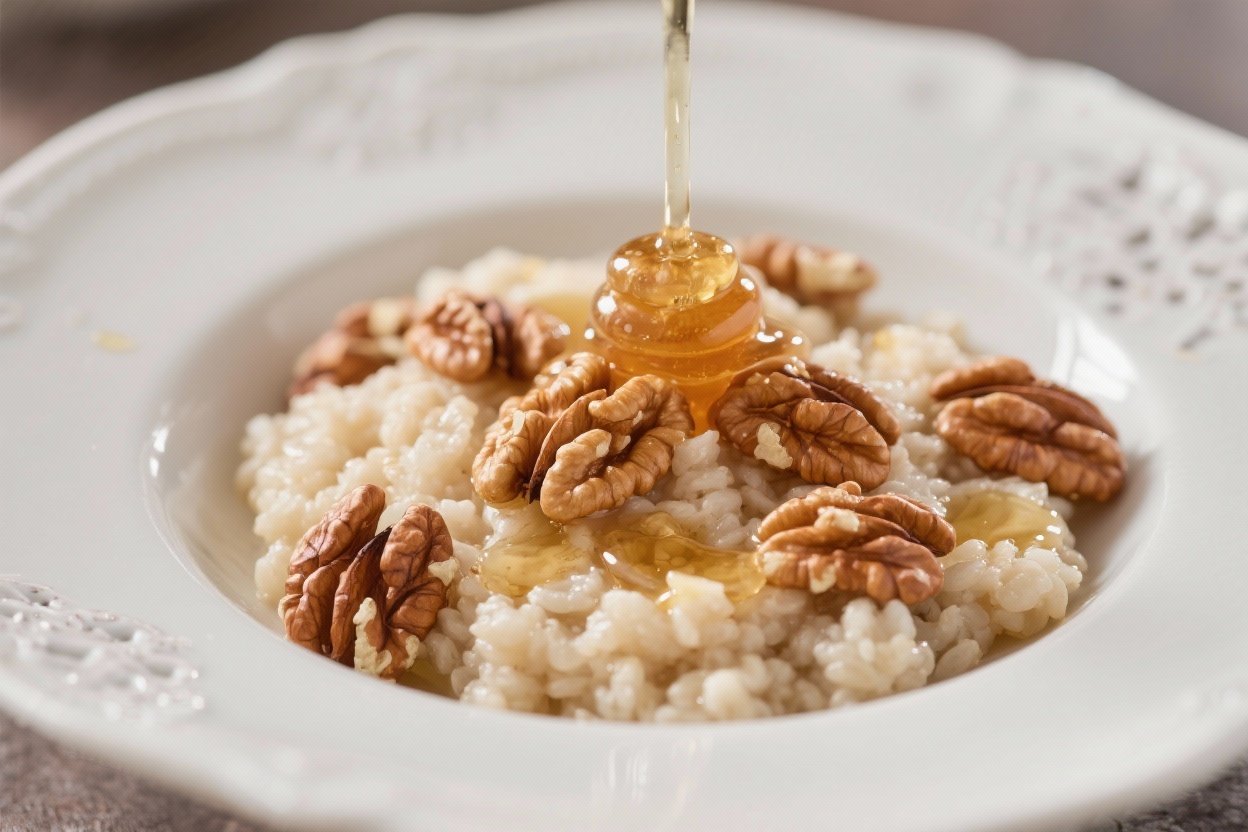
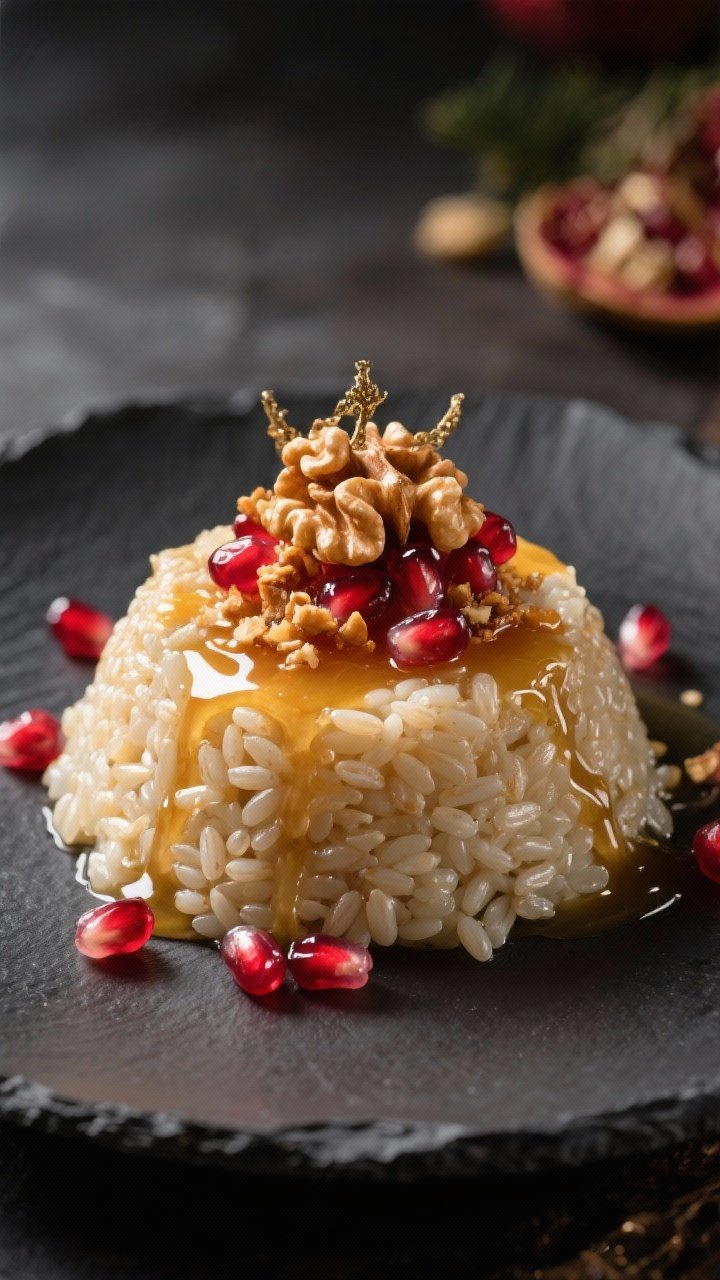
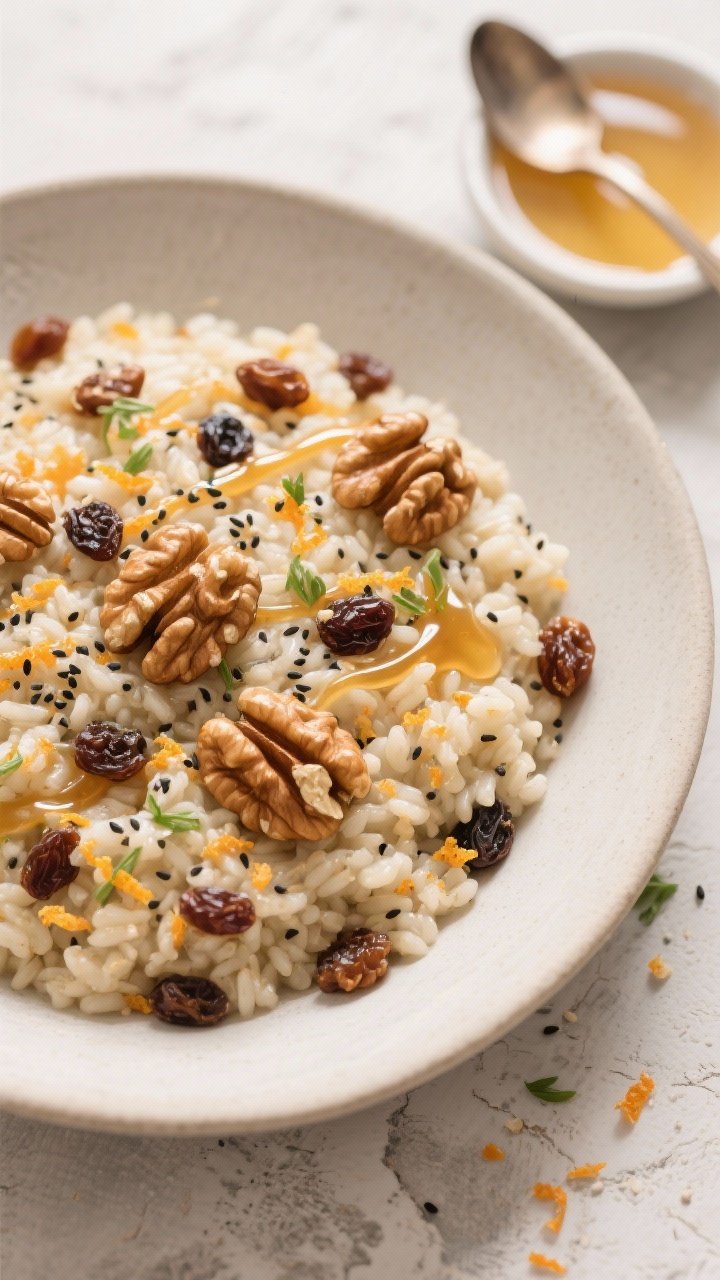
Kutia, also known as kolivo, is a simple, soulful dish made from whole grains, honey, and nuts. It shows up on holiday tables across Eastern Europe, especially for Christmas Eve and memorial gatherings, but it’s just as welcome as a wholesome breakfast or dessert any time of year. The flavor is humble and comforting: nutty grains, fragrant honey, and crunchy walnuts.
It’s naturally sweet, gently chewy, and satisfying without feeling heavy. If you enjoy honest, un-fussy food that tastes like tradition, this is a recipe you’ll reach for again and again.
Why This Recipe Works
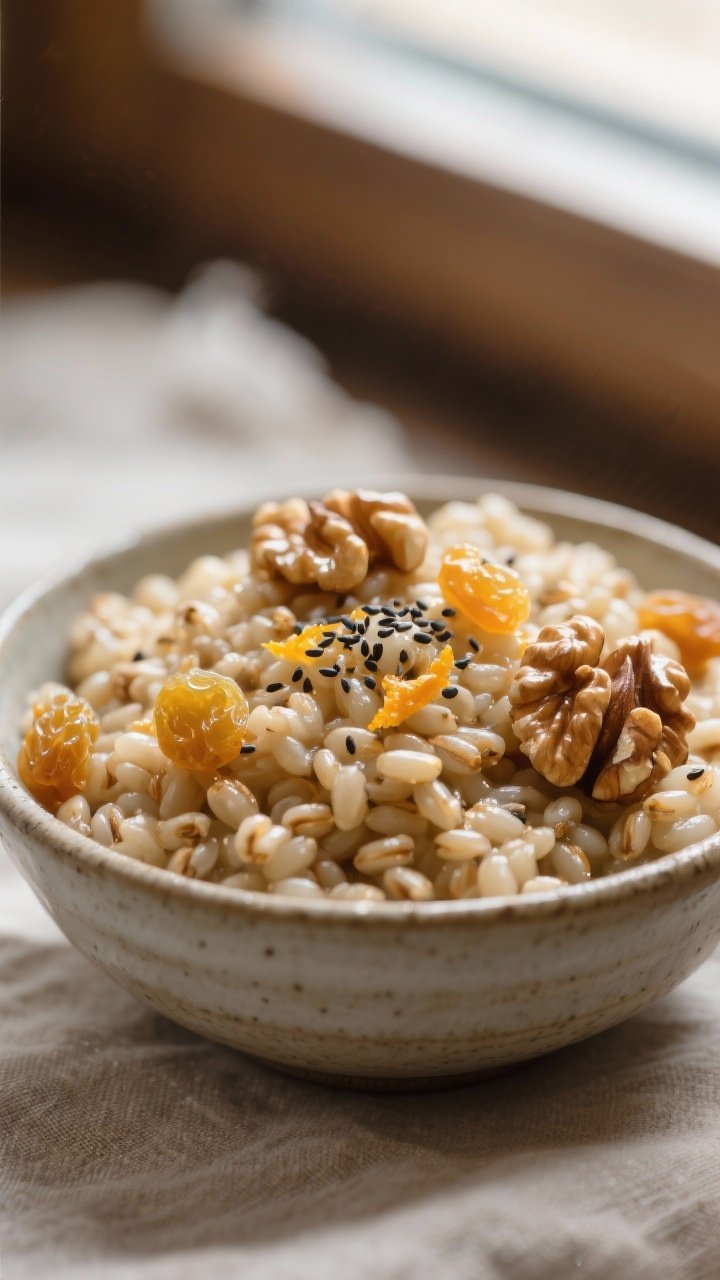
- Whole grains with texture: Using whole wheat berries or pearled barley gives kutia its signature chew. The grains stay tender but distinct, not mushy.
- Balanced sweetness: Honey brings floral sweetness without overpowering.A pinch of salt keeps flavors bright and rounded.
- Walnut depth and crunch: Lightly toasted walnuts add richness, aroma, and contrast to the soft grains.
- Customizable add-ins: Dried fruit, poppy seeds, or citrus zest can be added for fragrance and color, while keeping the core recipe simple.
- Make-ahead friendly: The flavors deepen after a few hours, making it ideal for gatherings or meal prep.
Shopping List
- Whole wheat berries (or pearled barley as a substitute)
- Walnuts (raw, halves or pieces)
- Honey (light, floral varieties work well)
- Salt
- Water (or unsweetened apple juice for a softer flavor)
- Optional add-ins: poppy seeds, raisins or golden raisins, dried apricots, orange zest, vanilla extract
How to Make It
- Rinse the grains: Rinse 1 cup of wheat berries (or barley) under cold water until it runs clear. This removes excess starch and any dust.
- Soak (optional but helpful): For wheat berries, soak for 4–8 hours or overnight in plenty of water to shorten the cooking time and even out the texture.
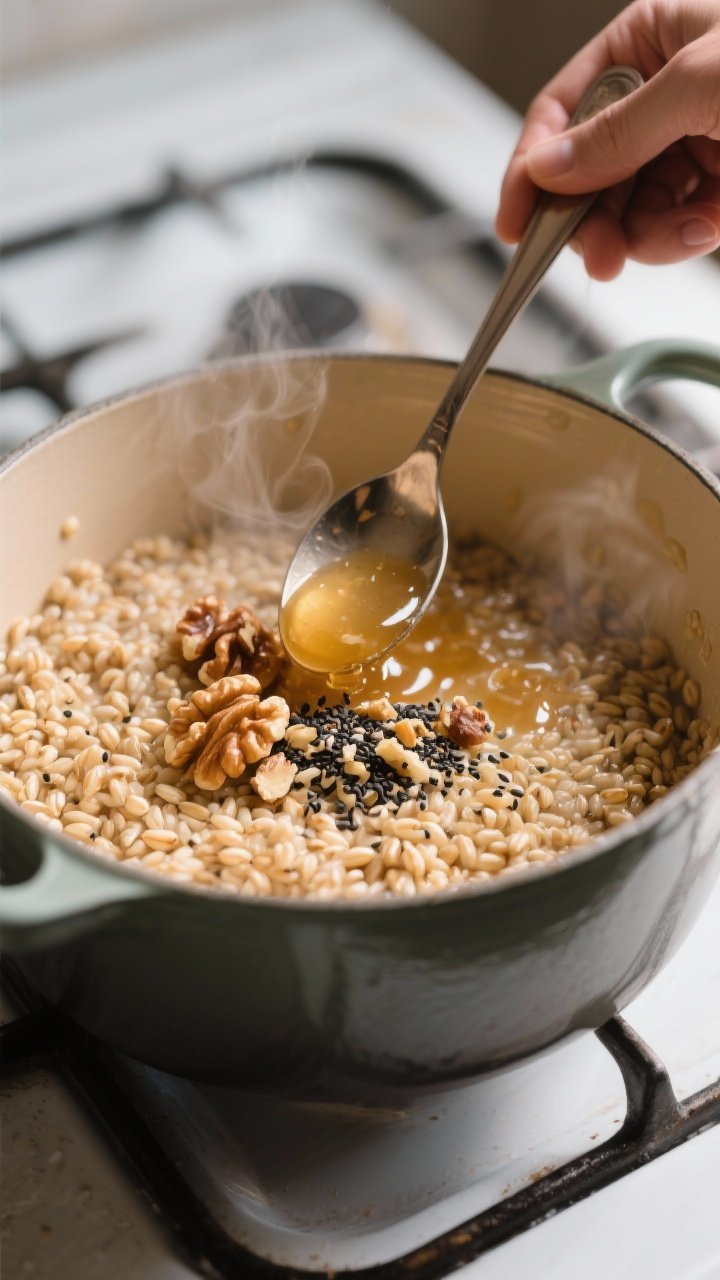
- Cook the grains: Add the grains to a pot with 4 cups of water and a pinch of salt. Bring to a boil, then reduce to a gentle simmer.Cook wheat berries 45–70 minutes (until tender-chewy); barley usually needs 25–40 minutes. Add hot water as needed to keep grains submerged.
- Drain and steam-dry: When the grains are just tender, drain well. Return to the warm pot, cover, and let sit 5–10 minutes to dry slightly.Fluff with a fork.
- Toast the walnuts: In a dry skillet over medium heat, toast 1 cup walnuts for 3–5 minutes, stirring, until fragrant and lightly darkened. Cool slightly, then chop.
- Sweeten the grains: Warm 1/3 to 1/2 cup honey in a small bowl so it flows easily. Stir the honey into the warm grains.Taste and adjust sweetness. Add a small pinch of salt to sharpen the flavor.
- Add the walnuts and extras: Mix in the toasted walnuts. If using, stir in 1–2 tablespoons poppy seeds, 1/3 cup raisins or chopped dried apricots, and 1 teaspoon orange zest or 1/2 teaspoon vanilla.
- Rest for flavor: Cover and let the kutia sit 15–30 minutes at room temperature to let the flavors meld.It can also be chilled for several hours; the honey soaks into the grains for a deeper taste.
- Serve warm or cool: Spoon into bowls. For a glossy finish, drizzle a little extra honey on top and add a few walnut pieces.
How to Store
- Refrigerator: Store in an airtight container for up to 4 days.
- Freezer: Freeze for up to 2 months. Thaw in the fridge overnight and stir in a splash of warm water or juice to loosen.
- Reheating: Warm gently on the stovetop or in the microwave at low power.Add a spoonful of water or juice to keep it moist.
- Serving later: The flavors improve after a few hours. Stir before serving to redistribute honey and nuts.
Why This is Good for You
- Whole-grain benefits: Wheat berries and barley are rich in fiber, B vitamins, and minerals like magnesium and selenium. They help support steady energy and digestion.
- Healthy fats from walnuts: Walnuts provide omega-3s and antioxidants that support heart and brain health.
- Naturally sweetened: Honey brings sweetness along with trace antioxidants.A moderate amount goes a long way.
- Satisfying without heaviness: The mix of complex carbs, healthy fats, and a bit of protein keeps you full and steady.
Common Mistakes to Avoid
- Undercooking or overcooking grains: Taste as you go. You want tender-chewy, not crunchy or mushy. Add water if the pot runs dry.
- Skipping the salt: A tiny pinch of salt doesn’t make it salty; it brightens the honey and grain flavors.
- Burning the walnuts: Toast gently and watch closely.Burnt nuts taste bitter and will overpower the dish.
- Adding honey to cold grains: Mix honey into warm grains so it disperses evenly and doesn’t clump.
- Overloading with add-ins: Keep balance in mind. Dried fruit and poppy seeds are great, but too much can crowd the grains.
Alternatives
- Grain swaps: Try spelt berries, farro, or a mix of wheat berries and barley for varied texture. For a quicker version, use quick-cooking farro.
- Nut variations: Almonds, hazelnuts, or pecans work well.Toast them just like walnuts.
- Sweeteners: Maple syrup or date syrup can stand in for honey. Start with less and adjust to taste.
- Fruity twists: Add dried cherries, cranberries, or chopped prunes. Fresh pomegranate seeds are a classic, bright garnish.
- Citrus and spice: Orange or lemon zest adds lift.A pinch of cinnamon or cardamom gives gentle warmth without dominating.
- Dairy note: Traditional kutia is dairy-free, but you can add a splash of warm milk or almond milk for a creamier profile if you’re not observing fasting rules.
FAQ
What grain is best for kutia?
Whole wheat berries are the most traditional and give the best chewy texture. Pearled barley is a good, quicker-cooking alternative with a softer bite.
Can I make kutia ahead of time?
Yes. It actually tastes better after a few hours or overnight in the fridge.
Stir and adjust sweetness with a little extra honey before serving.
Is kutia served warm or cold?
Both are fine. Warm brings out the honey aroma and softness, while cold gives a firmer texture and more distinct flavors.
How sweet should it be?
That’s personal. Start with 1/3 cup honey for 1 cup dry grains and add more to taste.
The dried fruit will add additional sweetness.
Do I have to use poppy seeds?
No. They’re traditional in many regions, but the dish is still excellent without them. If you enjoy their nutty aroma, add 1–2 tablespoons.
Can I make it gluten-free?
Yes.
Use gluten-free grains like buckwheat groats or millet. Adjust cooking times and liquid accordingly, and follow the same honey-and-nut method.
Why is my kutia dry?
The grains may have cooled and tightened up. Stir in a splash of warm water, apple juice, or milk (if not fasting) to loosen and refresh the texture.
Can I reduce the honey?
Absolutely.
Use less and add more if needed after resting. A drizzle just before serving can lift the flavor without over-sweetening the whole batch.
In Conclusion
Kutia or kolivo with walnuts and honey is a gentle, time-tested dish that proves simple ingredients can be deeply satisfying. With chewy grains, fragrant honey, and toasted nuts, it walks the line between dessert and nourishing breakfast.
It’s easy to make, keeps well, and welcomes small variations to suit your taste or tradition. Serve it warm or cool, for holidays or everyday comfort, and enjoy the quiet goodness in every spoonful.