Best Peanut Butter Recipe – Simple, Creamy, and Homemade
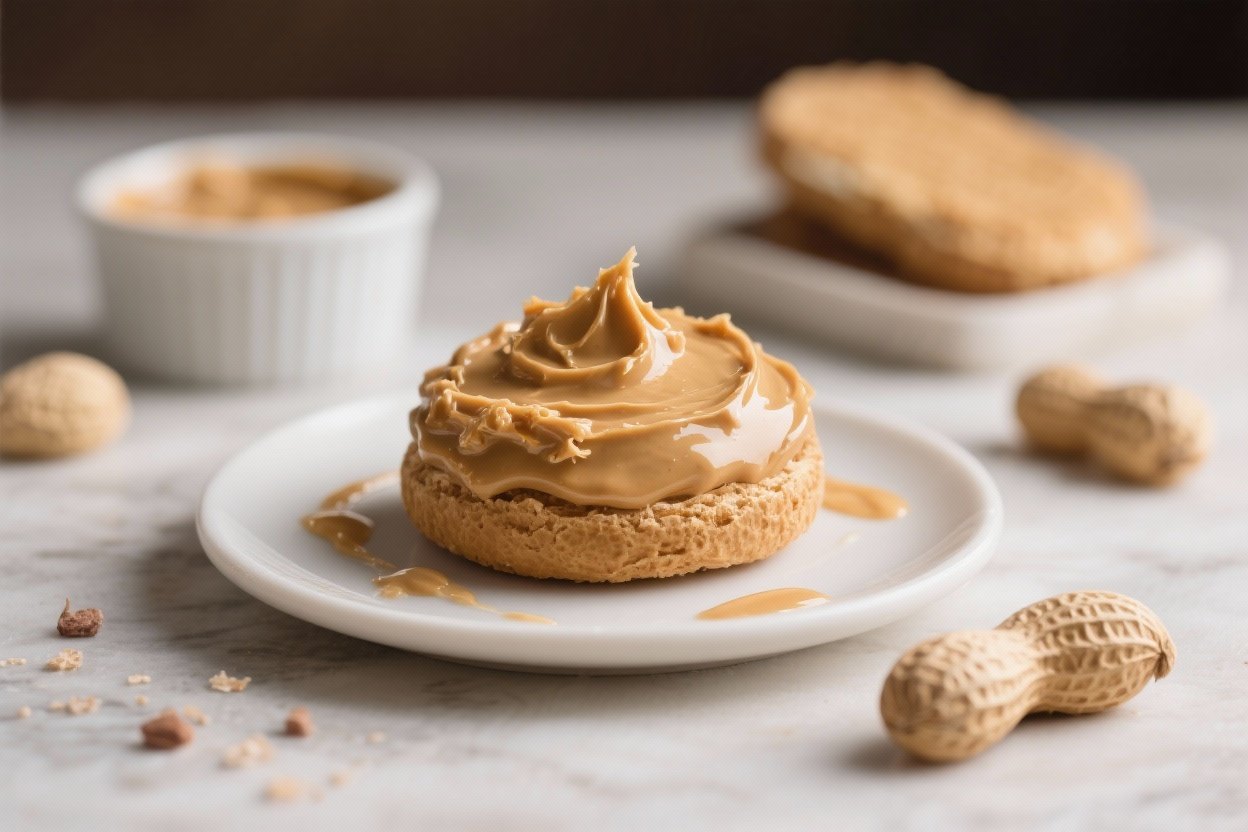
If you love peanut butter, making it at home is a game changer. It’s fresh, rich, and you control exactly what goes into it. No mystery oils, no extra sugar unless you want it, and the flavor is warm and toasty in a way store-bought can’t match.
This recipe is fast, budget-friendly, and uses just a handful of pantry staples. Whether you like it silky smooth or crunchy with bits of roasted peanuts, you’ll get a jar that tastes like your new everyday favorite.
What Makes This Recipe So Good
This peanut butter is built on one core idea: keep it simple. With just peanuts, a pinch of salt, and a touch of oil if needed, you get a clean, full peanut flavor.
A quick roast deepens the nuttiness and brings out natural sweetness, which means you rarely need added sugar.
It’s also super adaptable. Want it sweet? Add a drizzle of honey.
Prefer that classic stick-to-the-roof-of-your-mouth vibe? Blend it a little less and skip the oil. The technique works with most peanuts, and the result is smooth, spreadable, and endlessly snackable.
What You’ll Need
- 2 cups dry roasted, unsalted peanuts (or raw peanuts; see notes below)
- 1/4 to 1/2 teaspoon fine sea salt (adjust to taste)
- 1 to 2 tablespoons neutral oil (peanut, avocado, or light olive oil; optional)
- 1 to 2 teaspoons honey or maple syrup (optional, for a slightly sweet version)
- 1/2 teaspoon vanilla extract (optional, for warmth and aroma)
Note on peanuts: If using raw peanuts, plan to roast them first for better flavor.
If your peanuts are already salted, reduce or skip the added salt and adjust at the end.
Instructions
- Roast the peanuts (if raw): Preheat oven to 350°F (175°C). Spread peanuts on a baking sheet and roast for 8–12 minutes, stirring once, until fragrant and lightly golden. Let them cool for 5–10 minutes.Warm peanuts blend more easily than cold ones, but you don’t want them scorching hot.
- Set up your blender or food processor: A food processor works best, but a high-powered blender can do the job. Make sure the container is completely dry.
- Pulse to chop: Add peanuts and salt. Pulse 6–8 times to break the nuts into coarse crumbs.Scrape down the sides.
- Blend to a paste: Run the machine for 30–60 seconds until the peanuts start to clump into a thick, sandy paste. Stop and scrape down as needed. The mixture will look gritty at this stage—keep going.
- Let the oils release: Continue processing in 30–45 second bursts.As the peanuts warm, their natural oils will release and the mixture will turn creamy. If it’s struggling to smooth out, add 1 teaspoon oil at a time until it loosens to your desired texture.
- Customize the flavor: When the peanut butter is mostly smooth, add honey or maple syrup and vanilla if using. Blend again for 10–20 seconds.Taste and adjust salt or sweetness.
- Choose your final texture: For extra creamy, blend another 30–60 seconds. For crunchy, reserve 2–3 tablespoons of chopped peanuts at the start and stir them in at the end.
- Cool and jar it: Let the peanut butter sit for 5–10 minutes to release any excess heat, then transfer to a clean, airtight jar. It will thicken slightly as it cools.
How to Store
- Room temperature: If you didn’t add sweeteners and your kitchen is cool, it can sit at room temp for up to 1–2 weeks.Stir before using if it separates.
- Refrigerator: Keeps best here for freshness. Store for up to 1–2 months. The oil may thicken when cold; let it warm up for a few minutes before spreading.
- Freezer: Freeze in small containers for up to 6 months.Thaw in the fridge overnight. Stir well to recombine.
Tip: Use a clean spoon each time to avoid introducing moisture or bacteria that can shorten shelf life.
Health Benefits
- Good fats: Peanuts are rich in monounsaturated and polyunsaturated fats that support heart health when eaten in moderation.
- Plant protein: A solid source of protein to help keep you full and support muscle repair.
- Fiber and micronutrients: Offers fiber plus vitamin E, magnesium, potassium, and antioxidants like resveratrol.
- Customizable nutrition: Since you control the ingredients, you can keep it unsweetened, add flax or chia for omega-3s, or choose salt levels to match your goals.
What Not to Do
- Don’t rush the blending: Cutting it short leaves you with a dry, crumbly paste. Give it enough time for the oils to release.
- Don’t add too much oil at once: Start small.It’s easy to overshoot and end up with runny peanut butter.
- Don’t sweeten heavily before tasting: Roasting brings out natural sweetness. Taste first, then add only what you need.
- Don’t skip cooling before jarring: Very hot peanut butter can create condensation, which affects texture and shelf life.
- Don’t ignore salt: Even a tiny pinch wakes up the flavor. If you’re salt-sensitive, start with a small amount and adjust.
Variations You Can Try
- Honey roasted: Use honey-roasted peanuts and skip extra sweetener.Expect a naturally sweeter, dessert-like spread.
- Chocolate peanut butter: Blend in 1–2 tablespoons cocoa powder and 1–2 teaspoons honey or maple syrup. A pinch of salt keeps the chocolate flavor sharp.
- Cinnamon swirl: Add 1 teaspoon cinnamon and 1/2 teaspoon vanilla. Great on toast, oatmeal, or apple slices.
- Spicy peanut butter: Add 1/4 teaspoon cayenne or chili flakes and a squeeze of lime juice.Perfect for sandwiches or satay-style sauces.
- High-protein boost: Blend in 1 tablespoon peanut powder or unflavored protein powder. You may need a touch more oil to keep it smooth.
- Crunchy mix-ins: Stir in chopped peanuts, cacao nibs, or toasted coconut at the end for texture.
FAQ
Can I use a blender instead of a food processor?
Yes, a high-powered blender works, but you’ll need to scrape down more often and possibly add a little more oil. If your blender has a tamper, use it to keep things moving.
Which peanuts are best?
Dry roasted, unsalted peanuts are the easiest and most consistent.
If you start with raw peanuts, roasting them first gives a deeper flavor. Valencia and Runner varieties are common and work well.
Why is my peanut butter grainy?
It likely needs more time in the processor. Keep blending until the oils fully release.
If it’s still thick and sandy, add oil 1 teaspoon at a time and continue processing.
Is it normal for homemade peanut butter to separate?
Yes. Natural peanut butter separates because there are no stabilizers. Just stir it before using.
Refrigeration slows separation but doesn’t stop it completely.
Can I make it without oil?
Absolutely. Many batches need no added oil, especially when using fresh, warm, roasted peanuts. Oil is just a tool to help achieve the texture you like.
How sweet should I make it?
That’s up to you.
Start with none, taste, and add a teaspoon of honey or maple at a time until it fits your preference. Sweetness can dull salt, so recheck seasoning after sweetening.
Is homemade peanut butter safe for kids?
Generally yes, if they’re old enough for nut products and have no allergies. Always check with your pediatrician on age guidelines and allergy risk.
Spread thinly for younger eaters.
Can I use other nuts or seeds?
Yes. The same method works for almonds, cashews, or sunflower seeds. You may need more oil for drier nuts like almonds, and the flavor will vary by seed or nut.
Final Thoughts
This best peanut butter recipe is simple, fast, and endlessly customizable.
With a quick roast and a little patience at the processor, you’ll get a smooth, rich spread that beats store-bought jars. Keep a batch in the fridge for toast, smoothies, sauces, and quick snacks. Once you make it at home, you’ll wonder why you didn’t start sooner.