How to Create Perfectly Fluffy Garlic Parmesan Focaccia
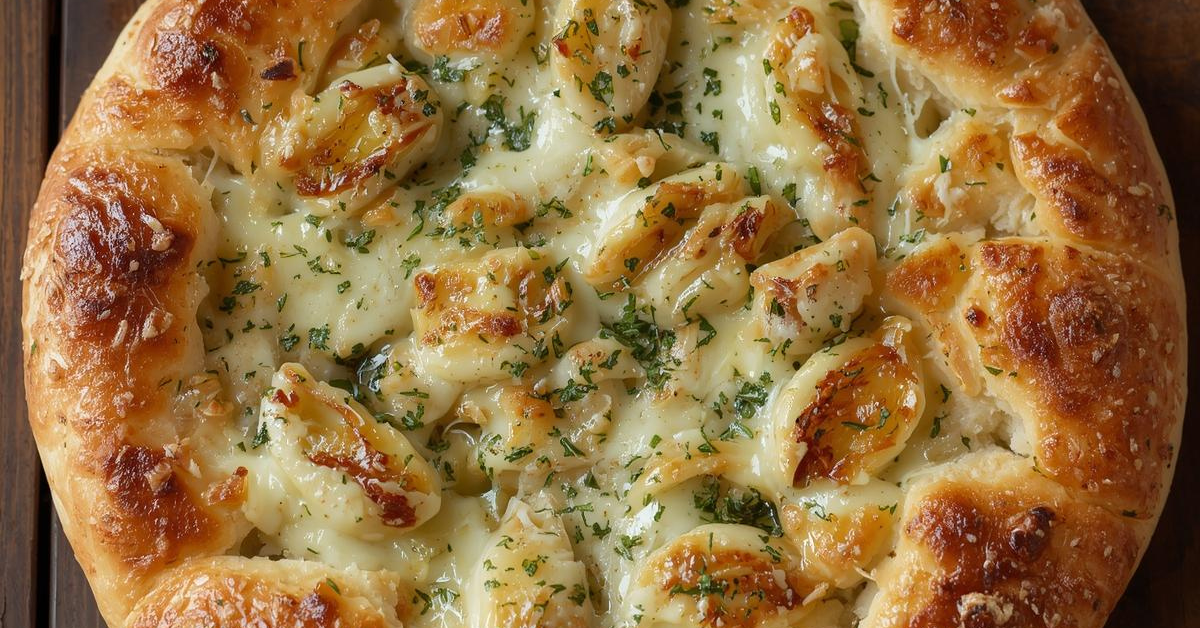
Focaccia is one of those breads that makes any meal feel a little more special. It’s simple, fragrant, and wildly satisfying to tear into. This version leans on a classic pairing—garlic and Parmesan—to hit all the right notes: savory, buttery, and deeply comforting.
You don’t need to be a baking pro to pull it off; a little patience and good olive oil are the real secret weapons. Serve it with soup, salad, or as a snack you’ll keep coming back to.
What Makes This Special
Garlic parmesan focaccia is all about contrast: a golden, crisp crust with a pillowy interior. The dough gets flavor from a long rise and a generous amount of olive oil, which also gives it that signature texture.
Minced garlic infuses the oil, and grated Parmesan adds a salty, nutty finish. It’s forgiving, adaptable, and perfect for sharing. Whether you’re hosting or meal-prepping, this bread feels like a treat without being fussy.
Ingredients
- All-purpose flour – 4 cups (500 g)
- Warm water – 1 3/4 cups (415 ml), about 105–110°F
- Active dry yeast – 2 1/4 tsp (1 packet)
- Sugar or honey – 1 tsp (helps activate yeast)
- Kosher salt – 2 tsp (plus extra for topping)
- Extra-virgin olive oil – 1/3 cup for the dough and pan, plus more for drizzling
- Fresh garlic – 4–6 cloves, finely minced
- Unsalted butter – 2 tbsp, melted (optional but adds richness)
- Grated Parmesan cheese – 1 cup, divided (use freshly grated if possible)
- Fresh rosemary or thyme – 1–2 tsp, chopped (optional but recommended)
- Freshly cracked black pepper – to taste
- Flaky sea salt – for finishing
Instructions
- Bloom the yeast: In a large bowl, combine warm water, yeast, and sugar.Stir and let it sit for 5–10 minutes until foamy. If it doesn’t foam, your yeast may be inactive—start over with fresh yeast.
- Mix the dough: Add flour and salt to the yeast mixture. Stir with a wooden spoon until a shaggy dough forms.Pour in 2 tablespoons olive oil and mix until incorporated. The dough will be sticky—that’s good.
- Knead briefly: Turn the dough onto a lightly oiled surface and knead for 2–3 minutes, just until smooth. Alternatively, use a stand mixer with a dough hook for 3–4 minutes on medium-low.
- First rise: Coat a clean bowl with 1 tablespoon olive oil.Place the dough in the bowl, turning to coat. Cover tightly and let rise in a warm spot for 1–1.5 hours, or until doubled.
- Prep the pan: Generously oil a 9×13-inch pan or a large cast-iron skillet with 2–3 tablespoons olive oil. Don’t be shy; the oil gives focaccia its crisp bottom.
- Deflate and stretch: Gently punch down the dough, transfer to the pan, and stretch it toward the edges.If it springs back, let it rest for 10 minutes and stretch again.
- Garlic oil: In a small bowl, mix minced garlic, melted butter (if using), and 2 tablespoons olive oil. Stir in half the Parmesan and a pinch of black pepper.
- Dimple and top: Coat your fingers with oil. Press your fingertips into the dough to create deep dimples all over.Spoon or brush the garlic oil mixture evenly across the surface. Sprinkle with chopped herbs, remaining Parmesan, and a little flaky sea salt.
- Second rise: Cover the pan and let the dough rise again for 20–30 minutes while your oven preheats to 425°F (220°C). It should puff slightly.
- Bake: Bake for 20–25 minutes until the top is golden and the edges are crisp.If you like extra color, broil for 1–2 minutes at the end, watching closely.
- Finish: Remove from the oven and drizzle with a little more olive oil. Let it rest for 10 minutes, then loosen the edges and lift pieces out. Serve warm.
Keeping It Fresh
Focaccia is best the day it’s baked, but it keeps well with a bit of care.
Store leftovers in an airtight container at room temperature for up to 2 days. To re-crisp, warm slices in a 375°F (190°C) oven for 5–8 minutes. For longer storage, wrap tightly and freeze for up to 2 months, then reheat from frozen in a hot oven until the edges are crisp again.
Enjoy your focaccia bread with creamy sweet potato soup in a cozy night.
Benefits of This Recipe
- Beginner-friendly: The dough is forgiving, and the long rise builds flavor without complicated steps.
- Big flavor, simple ingredients: Garlic, Parmesan, and olive oil do the heavy lifting.
- Flexible timing: You can slow the first rise in the fridge for up to 24 hours if you want to bake later.
- Great for sharing: It’s a crowd-pleaser that pairs with everything from tomato soup to roasted chicken.
- Customizable: Add olives, sun-dried tomatoes, caramelized onions, or swap herbs to match your meal.
What Not to Do
- Don’t skimp on oil: It prevents sticking, builds flavor, and creates that signature crisp crust.
- Don’t rush the rise: Underproofed dough bakes up dense.Wait for visible puff and softness.
- Don’t overwork the dough: Focaccia doesn’t need intense kneading; too much can make it tough.
- Don’t drown the garlic: Raw garlic can burn. Mix it with oil and spread evenly to prevent scorching.
- Don’t slice immediately: Let it rest after baking so the crumb sets and stays fluffy.
Alternatives
- Cheese swap: Try Pecorino Romano for a sharper bite or a blend of Parmesan and mozzarella for a meltier top.
- Herb variations: Use oregano, basil, or chives. Dried herbs work too—use half the amount.
- Garlic options: Roast a head of garlic and mash the cloves into the oil for a sweeter, mellow flavor.
- Whole wheat twist: Replace up to 1/3 of the flour with whole wheat for a nuttier flavor and heartier texture.
- Gluten-free version: Use a high-quality gluten-free bread flour blend and follow the same method; the dough will be looser, so handle gently.
- Pan choice: For extra crunch, bake in a cast-iron skillet.For a thinner, snappier focaccia, use a half-sheet pan.
FAQ
Can I make the dough ahead of time?
Yes. After the initial mix, cover the bowl and refrigerate the dough for up to 24 hours. Let it warm up for 30–45 minutes, then stretch it in the pan, dimple, top, and bake as directed.
What if my dough is too sticky to handle?
Sticky dough is normal and actually helps create a soft crumb.
Oil your hands and the surface instead of adding extra flour. If absolutely necessary, add 1–2 tablespoons of flour, but avoid overdoing it.
How do I know it’s fully baked?
The top should be deep golden with browned edges, and the bottom should be crisp. If you can, lift a corner and check for a well-browned underside.
Internal temperature should be around 200–205°F (93–96°C).
Can I use instant yeast instead of active dry yeast?
Yes. Use the same amount. You can add it directly to the flour and mix with warm water and oil.
The rise times should be similar, though instant yeast may work slightly faster.
Is Parmesan okay for vegetarians?
Traditional Parmigiano Reggiano uses animal rennet. If that’s a concern, look for a vegetarian-friendly hard cheese or a Parmesan-style cheese made with microbial rennet.
Why did my garlic burn?
Garlic burns when exposed on the surface without enough oil or moisture. Make sure it’s mixed with oil and spread evenly.
If your oven runs hot, tent loosely with foil for the last few minutes.
Can I add toppings like tomatoes or olives?
Absolutely. Press halved cherry tomatoes, olives, or sliced onions into the dough after dimpling. Pat them dry first and reduce the salt slightly if the toppings are salty.
How do I get bigger air pockets?
Use a higher hydration dough (stick to the water amount here), avoid over-kneading, and let it rise fully.
Gentle handling and proper dimpling help preserve bubbles for that airy crumb.
In Conclusion
Garlic parmesan focaccia is simple, comforting, and endlessly useful. With a few pantry staples and a little time, you’ll have a golden, fragrant bread that complements almost any meal. Keep the oil generous, the rises patient, and the garlic balanced.
Once you make it, it’ll become your go-to for weeknights, gatherings, and everything in between.