Step by Step Sourdough Recipe for Beautiful Brunch Loaves
Sourdough is messy, stubborn, and incredibly rewarding. If you’ve ever watched a starter bubble and hiss like a grumpy cat, you know what I mean. Let’s dive into a real-deal, no-nonsense guide that helps you bake bread you’ll actually brag about at brunch.
The Starter: Your Tangy, Living Truth
Your starter is not a recipe—it’s a tiny, living roommate that eats flour and exudes soural vibes. It’s what gives sourdough its personality.
– What you need to know first: flour, water, patience.
– Feeding schedule: if you bake often, feed every day; if you bake weekly, feed every 2–3 days; if you’re more of a “one loaf every few months” person, you’ll be hosting a starter funeral soon unless you freeze it.
- Mix equal parts flour and water. Stir until smooth.
- Discard a portion and feed with fresh flour and water.
- Let it rise at room temp until you see bubbles and a gentle rise.
FYI, a healthy starter should smell kind of like a bakery and a bit like pineapple, not like a gym bag.
The Flour Game: What Works Best
Flour isn’t just flour. Different grains bring different flavors and textures to the party.
All-purpose vs. bread flour
– Bread flour gives you more gluten, which equals better structure.
– All-purpose is friendlier, with a softer crumb.
Hydration matters
– Hydration is the ratio of water to flour. Higher hydration yields a lighter, open crumb but can be trickier to handle.
– Start around 70% hydration for a nice balance, then adjust.
- High hydration (75–85%) = open holes, sticky grip.
- Lower hydration (60–65%) = tighter crumb, easier to handle.
The Feed-to-Bake Rhythm: How to Plan Your Bakes

Sourdough thrives on routine, but you don’t need to run a bakery to enjoy it.
- Feed the starter a day or two before you plan to bake.
- Mix the dough, autolyse, then lamination of folds becomes your new best friend.
- Bulk ferment until the dough passes the poke test—slightly jiggly but not wobbly.
- Shape, proof, bake. Easy, right? Not exactly; let’s break down the steps.
Mixing, Autolyse, and the Quiet Magic of Gluten
This is where science meets kitchen magic. Don’t glaze over—gluten is your bread’s backbone.
Autolyse: let the flour drink
– Combine flour and water and let it rest 20–60 minutes before adding starter and salt.
– Autolyse kickstarts gluten formation and improves extensibility.
Folds and bulk fermentation
– After mixing, fold the dough every 30–60 minutes during the first half of bulk fermentation.
– Why folds? They build strength without tearing the dough, giving you a better rise and shape.
Salt and flavor
– Salt slows fermentation slightly, strengthens gluten, and sharpens flavor.
– Don’t skip it, even if you’re tempted to go “pure starter.” IMO, salt is the VIP.
Shaping Like a Pro (Or at least Not an Ugly Bread Disaster)
Shaping is how your dough becomes something people want to slice and snack on, not a sad brick.
– Pre-shape gently to round, then do a final shape for a tight surface tension.
– Use a well-floured surface and a bench scraper—no more tears when you flip it into the banneton.
– Score with a sharp blade or lame to control the oven spring and crust pattern.
Common shaping mistakes
– Over-tightening: you don’t want to squeeze the air out.
– Under-proofing: dough looks puffy in the oven, not in the bowl.
– Sticky nightmare: dust with flour, not just water, to avoid sticking.
The Oven Adventure: Steam, Heat, and the Crust You Crave

Oven conditions make or break your crust. Yes, you can bake great bread at home with a few tricks.
– Preheat at a high temperature (450–500°F / 230–260°C) for a good oven spring.
– Create steam in the first part of bake to keep the crust soft and allow expansion.
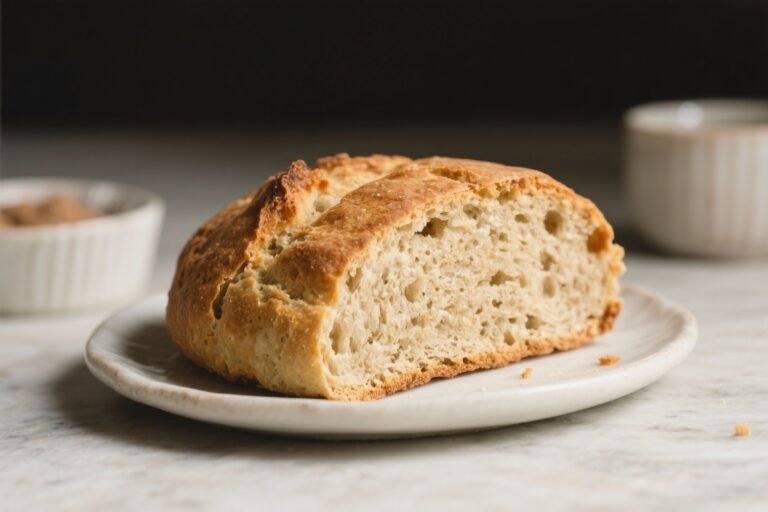
– Bake until the crust is deeply amber and crackly.
Steam options you can actually pull off
– Place a metal pan in the oven while it heats. Add hot water just before baking to create steam.
– Toss ice cubes into a hot pan for a quick steam boost.
– A covered Dutch oven trap is a classic: bake with the lid on for 20 minutes, then vent and finish.
Flavor Variations: Nuts, Seeds, and Wild Add-ons
Sourdough isn’t one-note. It’s a playground for texture and taste.
– Add-ins: toasted seeds, chopped olives, roasted garlic, sour cherries, or grated cheese.
– Whole-grain bursts: a portion of rye or whole wheat for depth.
– Scoring patterns: a leaf, a lattice, or a simple cross can be as satisfying as the loaf itself.
Troubleshooting: Quick Fixes for Common Head-Scratching Moments
Sourdough doesn’t always cooperate, and that’s okay. Here are fast answers.
– Crumb too dense: underproofed, or not enough hydration, or not enough aeration during mixing.
– Crust too thick or burnt: oven too hot or bake time too long; try a shorter bake or wrap in foil for the last 10 minutes.
– Dough sticks to the proof basket: flour the basket or use a lighter dusting with rice flour.
FAQ
How long does it take to bake a good sourdough loaf?
Plan on about 1.5 to 2.5 days from starter feeding to a cooled loaf, depending on your schedule and the dough’s rhythm. You’ll be surprised how the days slip by when you’re waiting for the dough to proof.
Can I skip the autolyse?
Technically yes, but you’ll miss some of the dough’s sweetness and extensibility. If you’re short on time, a shorter autolyse is better than none.
What hydration level should I start with?
Begin around 70% hydration. If you’re ambitious, push toward 75–80% for an open crumb, but be ready for a stickier, more challenging dough.
Is gluten-free sourdough possible?
Sourdough can be made with gluten-free flours, but you’ll need a gluten-free starter and some recipe gymnastics. The texture will be different, but you can still get a tasty loaf.
What’s the best way to store sourdough?
Let it cool completely, then wrap in a cotton cloth or paper bag. It stays fresh for 1–3 days on the counter and freezes well for longer storage. FYI, don’t refrigerate; it dries out fast.
Conclusion
Sourdough baking is a bit of a ritual, a dash of science, and a whole lot of love. You won’t nail it on your first try, and that’s part of the charm. Each loaf teaches you something new about timing, temperature, and texture. So yes, roll up your sleeves, feed that starter, and embrace the occasional sink-or-rise moment.
If you’re feeling bold, try a small experiment this weekend: swap in rye for a portion of the flour, or try a long cold-proof to deepen flavor. IMO, those little tweaks turn a solid loaf into your own signature bread. And if all else fails, you’ll still have a heck of a sourdough starter that keeps you company through the next bake.
Enjoy the journey—and may your crusts be crackly, your centers moist, and your kitchen smell like warm bread and good vibes.