The Ultimate Béarnaise Sauce: Velvet and Tangy in Minutes
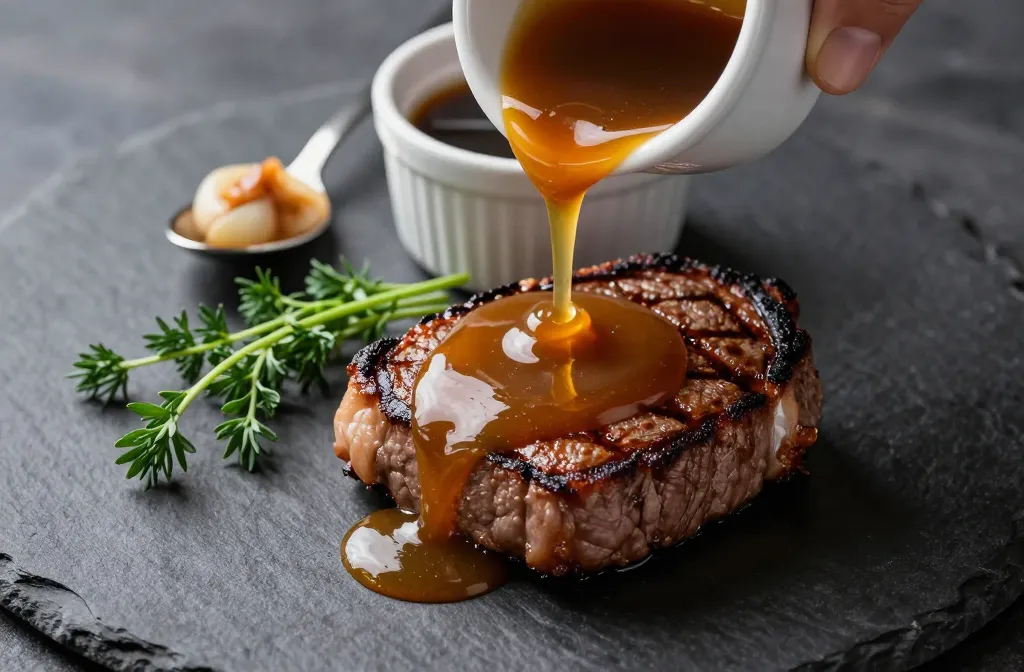
I’ll admit it: bernaise sauce is basically French magic in a small, velvety jar. It coats steaks, veggies, and even fries with a kiss of tangy richness. If you’ve ever swooned over a glossy drizzle, you know what I’m talking about.
What bernaise sauce actually is (and why you should care)
Bernaise is a cousin to hollandaise, born from clarified butter emulsified with egg yolks and a splash of tarragon. The star is the acid-lift—usually shallots soaked in vinegar or wine—that wakes up every bite. It’s not just a sauce; it’s a mood, a little umbrella for your protein.
– The base: egg yolks, butter, and a gentle heat.
– The twist: tarragon plus a tangy reduction for brightness.
– The vibe: silk, not separation, unless you go chasing chaos in the kitchen.
Would you believe a sauce this fancy is surprisingly approachable? FYI, you can totally cheat with a blender, but we’ll get to that.
Classic bernaise vs. modern riffs

You can keep it traditional or branch out. Both are valid, both are delicious, and both can be whipped up faster than you’d expect.
Traditional route: patience and precision
– Melt butter gently until you clear the milk solids, then whisk in egg yolks over a double boiler.
– Whisk like your life depends on it until the yolks thicken, then stream in butter slowly.
– Finish with a tarragon-shallot reduction and a pinch of salt. Easy to hate, harder to master.
Speedy, modern twists
– Use a blender or immersion blender to emulsify quickly. Still add the hot butter in a thin trickle.
– Swap tarragon for chives, chervil, or even a splash of dill if you’re feeling daring.
– Swap white wine vinegar for a splash of lemon if you want brighter acidity.
The science-y bit: emulsions without chaos
Bernaise is an emulsion—water and fat partying together without breaking up. The yolk yolk plays referee, keeping the two from becoming oil slick kryptonite.
– Heat control is everything. Too hot, and you’ll scramble the eggs; too cold, and the emulsion won’t form.
– Temperature target: around 140-150°F (60-65°C). No thermometer? Look for a slow, ribbons-like texture when you whisk.
– If it breaks, don’t panic. You can save it with a flick of hot water or a fresh yolk whisked in to re-emulsify.
Perfect pairings: how to use bernaise like a boss

The sauce shines with the right matchups. Beef is the obvious match, but don’t sleep on vegetables, salmon, or even potatoes.
- Steak: a classic win. Ribeye or filets love the buttery tang.
- Grilled asparagus: the vegetal bite balances the richness.
- Roasted fish: think salmon or halibut for a luxurious finish.
- Potatoes: crispy wedges with a dollop? Yes, please.
Tips for plating like a pro
– Serve warm, not scorching hot. If it’s too hot, it can taste flat; too cold, it won’t coat. Find that Goldilocks zone.
– Drizzle or dollop? A thin line down the center of the protein usually looks fancy andfot not too heavy.
– A tiny squeeze of lemon right before serving can wake up the flavors without making it sour.
Common pitfalls and how to avoid them
Let’s save you from the tears of a broken sauce or a flavor that tastes like butter with a hint of egg.
- Too hot, too fast: whisk steadily and use a double boiler or low direct heat.
- Over-seasoning: the shallot-vinegar reduction already provides acidity; taste before salting.
- Separation: keep the butter at a steady, not boiling heat, and add it slowly.
What to do if it’s too thick or too thin
– Too thick: whisk in a tsp of warm water or a little more reduction until loosened.
– Too thin: whisk in a bit more hot melted butter or an extra yolk if you’re feeling bold (and calm). Don’t go crazy—one tweak at a time.
Ingredient spotlight: the stars that make bernaise sing
You’ll recognize the usual suspects, but the magic is in the balance.
- Egg yolks: the emulsifier that holds everything together. Fresh is best.
- Butter: clarified is ideal to avoid extra water getting in the mix.
- Shallots: mild sweetness with a sharp edge. Don’t skip them.
- Tarragon: the signature herbal note. If you don’t have it, anise or chervil can be sneaky good substitutes.
- Acid: white wine vinegar or lemon juice to wake the flavors. Start small and adjust.
Frequently asked questions about Béarnaise
Can I make Béarnaise sauce ahead of time?
Yes, but it’s best to prep the components and whisk them together right before serving. The emulsion can wobble if left standing. If you must, keep it warm in a water bath and gently re-emulsify with a quick whisk.If you are looking for something else, try this cheese fondue to fill you up.
What’s the best way to rewarm bernaise without breaking it?
Warm it gently over a low heat or a warm water bath, whisking constantly. Add a splash of warm water or a touch more melted butter to help restore the texture.
Can I freeze bernaise?
Not really worth it. The texture tends to suffer after freezing and thawing. It’s best to whip a fresh batch when you’re ready to serve.
What if I don’t like tarragon?
Tarragon is the soul of bernaise, but you can experiment. Try using chives, dill, or a splash of tarragon-free herb mix. The sauce will lose some character, but it can still be delicious.
What wines pair well with bernaise-drenched dishes?
– Red wines with enough body to cut through fat, like a medium- to full-bodied Pinot Noir or a bold Syrah.
– White wines with citrus notes, like a well-chilled Chardonnay, echo the butter and acidity.
– If you’re going non-alcoholic, a bright sparkling water with a twist of lemon keeps things light.
Final thoughts: is bernaise worth the effort?
Absolutely. Bernaise isn’t just a sauce; it’s a statement. It says you care about the little details and you’re happy to elevate a dish with a silky, luxurious finish. The first time you nail the emulsion, you’ll grin like you just discovered a new flavor planet.
If you’ve ever wondered how chefs get that glossy, restaurant-worthy look at home, the answer is practice, patience, and a good whisk. IMO, the payoff is worth the spill risk and the odd clumsy whisking session that ends with a perfect, golden sauce.
Conclusion
Bernaise sauce is a classic for a reason: it makes ordinary meals feel special. With a little know-how, you can whip up a glossy, tangy partner for steak, seafood, or veg. So grab your whisk, invite a friend to taste-test with you, and dive into the buttery, herb-kissed joy of bernaise.