Iftar Meals: Simple and Delicious Recipes for Ramadan
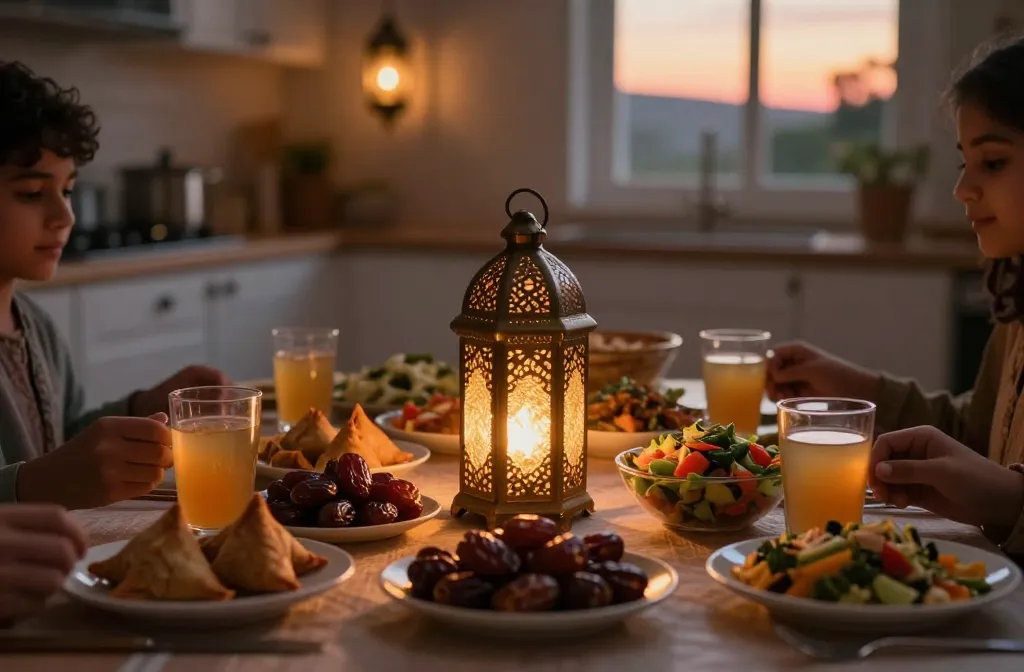
Iftar isn’t just a meal after a long day of fasting; it’s a moment that kinda runs on a built-in festival mode. You feel the countdown, the room fills with chatter, and suddenly the date daros and samosas appear like magic. Let’s dive into what makes iftar both delicious and meaningful—without turning it into a museum exhibit.
What is iftar, really—and why does it feel so special?
Iftar is the moment Muslims break their fast after sunset during Ramadan. It’s practical (you’ve gone all day without food or water) and deeply social (family, friends, neighbors, and even strangers join in). Think of it as a daily reminder that nourishment isn’t just about calories; it’s about community, gratitude, and a tiny victory lap at the end of each day.
– It starts with the call to Maghrib and a short prayer.
– Then comes the first bite: usually a few dates and a sip of water.
– The rest of the meal follows, often turning into a feast.
Why does it feel so emotional? Because the day’s restraint makes the first bite feel earned. FYI, the ritual also helps reset everyone’s energy so you can hit the evening hours with a little more pep.
What to eat: a balanced, tasty iftar plate
There’s no one-size-fits-all menu, but most iftars share a few common threads: hydration, quick energy, and dishes that don’t fight your stomach after a long fast.
Hydration first: water, milk, or fresh fruit drinks. Avoid overheating with sugary sodas that spike and crash you.
Dates and dairy: dates provide quick sugar and minerals; a yogurt or milk-based drink helps replenish fluids and gut-friendly proteins.
Soup magic: a warm bowl of soup eases the tummy back into digestion. Lentil, tomato, or chicken soups are crowd-pleasers.
Protein and starch balance: include a lean protein (grilled chicken, fish, legumes) and a complex carb (rice, whole wheat bread, quinoa). This combo keeps you full but not stuffed.
Light ends: finish with fresh salads, fruit, or light desserts rather than a heavy, fried finale.
Regional twists that spice up the table

If you’re curious about how cultures put their stamp on iftar, you’re in for a tasty tour. Every region brings a vibe, a spice level, and a favorite dish.
Middle Eastern glow-ups
– Hummus, tabbouleh, falafel, and shawarma often show up in casual gatherings.
– Sides like fattoush or borhani add brightness and crunch.
South Asian comfort
– Samosas, pakoras, biryani, and dal keep things cozy and flavorful.
– Chai people swap tonight for a hot cuppa with milk and spices.
North African warmth
– Harira soup sometimes starts the spread, followed by dates, olives, and couscous.
– Mint tea appears as a post-dinner hug in a glass.
Hosting tips that actually work
Hosting an iftar can feel like juggling lanterns, but you don’t need a circus act to pull it off. Here are practical moves to keep things smooth and fun.
- Plan a two-phase menu: something quick and something a bit more special—but not exhausting.
- Prep in advance: chop veggies, soak legumes, or marinate proteins the day before.
- Signal the pace: set a gentle start time for breaking fast and a flexible main course window.
- Hydration station: have water, cucumber-water, and a light lemonade ready.
- Inclusive desserts: offer a fruit platter and a light sweet option for those with smaller appetites.
Themes for the evening: conversations, games, and rituals
Iftar isn’t only about eating; it’s a ritual that invites connection, reflection, and a little bit of lighthearted fun.
- Gratitude rounds: each person shares one thing they’re grateful for that day.
- Table games: quick quizzes about Ramadan traditions or local customs keep energy up.
- Charitable vibes: many use the moment to donate or discuss community needs—no pressure, just warmth.
- Post-meal activities: a short walk, a family playlist, or quiet storytelling helps digestion and bonds.
Practical tips for first-timers and veterans alike
Whether you’re showing up to a big family bash or just sharing a meal with a roommate, a few practical moves can save you from headaches.
- Hydrate steadily from iftar onward. Don’t guzzle water like a camel in a drought; you’ll feel bloated.
- Watch portion sizes. The goal is nourishment, not a food marathon.
- Consider dietary needs. Some folks avoid certain foods for health or religious reasons—check in with guests.
- Keep the kitchen calm. A simple setup reduces chaos and keeps the vibe relaxed.
- Leave room for seconds. It’s common to go back for a second helping, but you’ll thank yourself if you pace.
How to navigate a fast-breaking crowd if you’re not fasting
Being around others breaking their fast can be tempting, especially with the table calling your name. Here’s how to be respectful and still enjoy the moment.
- Say a respectful hello to the moment: “Bismillah” or a simple “Let’s eat!” works too.
- Offer a dish, don’t hover by the food—let others take their turn.
- Mind portions: remember that the ritual is about togetherness, not a food sprint race.
- Be mindful of timing: if you’re invited to an iftar later in the day, avoid overeating at the first stop to save energy for the next meal.
FAQ
What is the exact moment to break the fast?
Breaking the fast typically happens at sunset, when Maghrib prayer begins. The most common practice is to start with dates and water, then move on to the larger meal.
Is it good to drink hot tea or coffee at iftar?
Yes, in moderation. A warm drink can be soothing after a long day. Just don’t overdo caffeine if you’re sensitive—it might disrupt sleep later in the week.
Can non-Muslims participate in iftar?
Absolutely. Iftars are inclusive, communal meals. It’s a great way to learn, share, and enjoy new flavors. If you’re joining, follow the host’s lead on pacing and rituals.
What are some quick, crowd-pleasing iftar ideas for a busy day?
Think simple and flavorful: lentil soup, a big salad, grilled chicken or chickpeas, quinoa or rice, a fruit platter, and a light dessert like yogurt with honey and nuts. It’s doable in under an hour with some prep the day before.
How do you handle leftovers after iftar?
Leftovers are a gift. Store them properly in airtight containers, label with dates, and repurpose into dals, wraps, or salads for the next day. IMO? A little creativity goes a long way.
Conclusion
Iftars are more than food with a tailwind of tradition; they’re a recurring reminder that nourishment is a shared joy. The ritual—dates, water, prayer, a buzzing dining table—creates a rhythm that anchors communities. It’s a daily invitation to slow down, savor, and connect. So whether you’re hosting or simply showing up, lean into the moment, laugh a little, and let the flavors lead the way. After all, the best part of iftar isn’t just what you eat—it’s who you share it with.