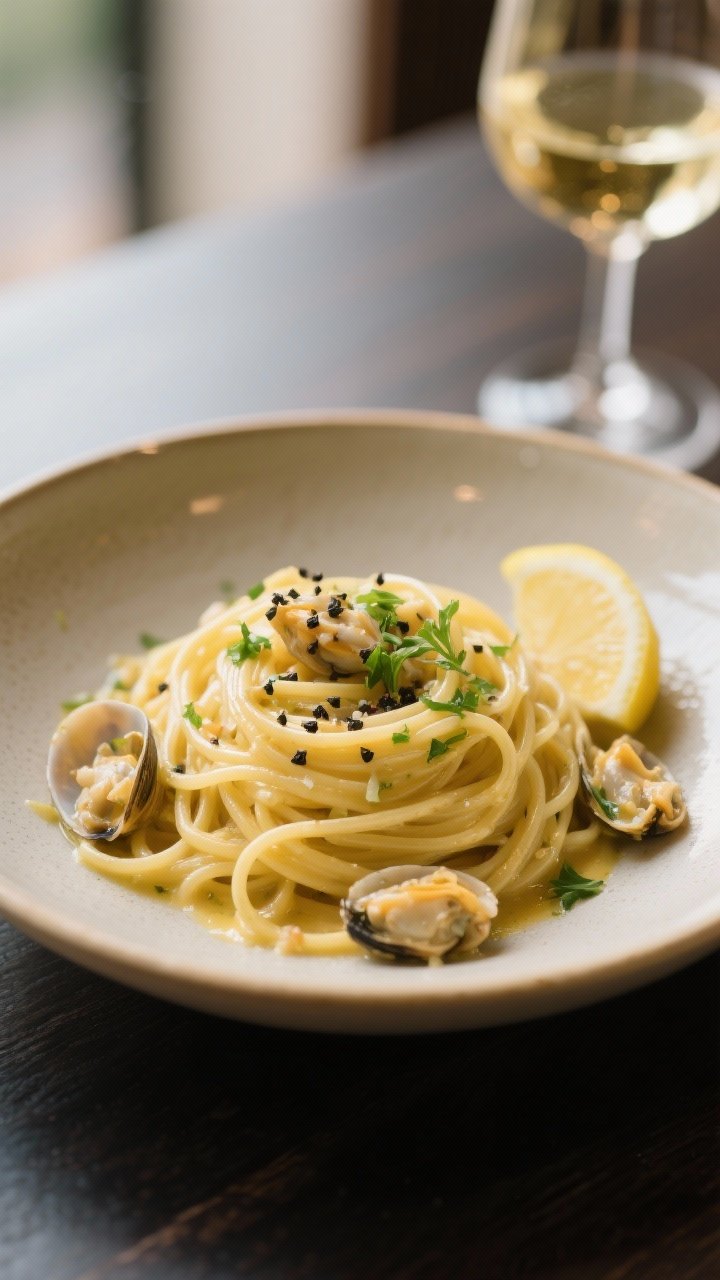
A Classic Linguine with White Clam Sauce Full of Bright Flavor
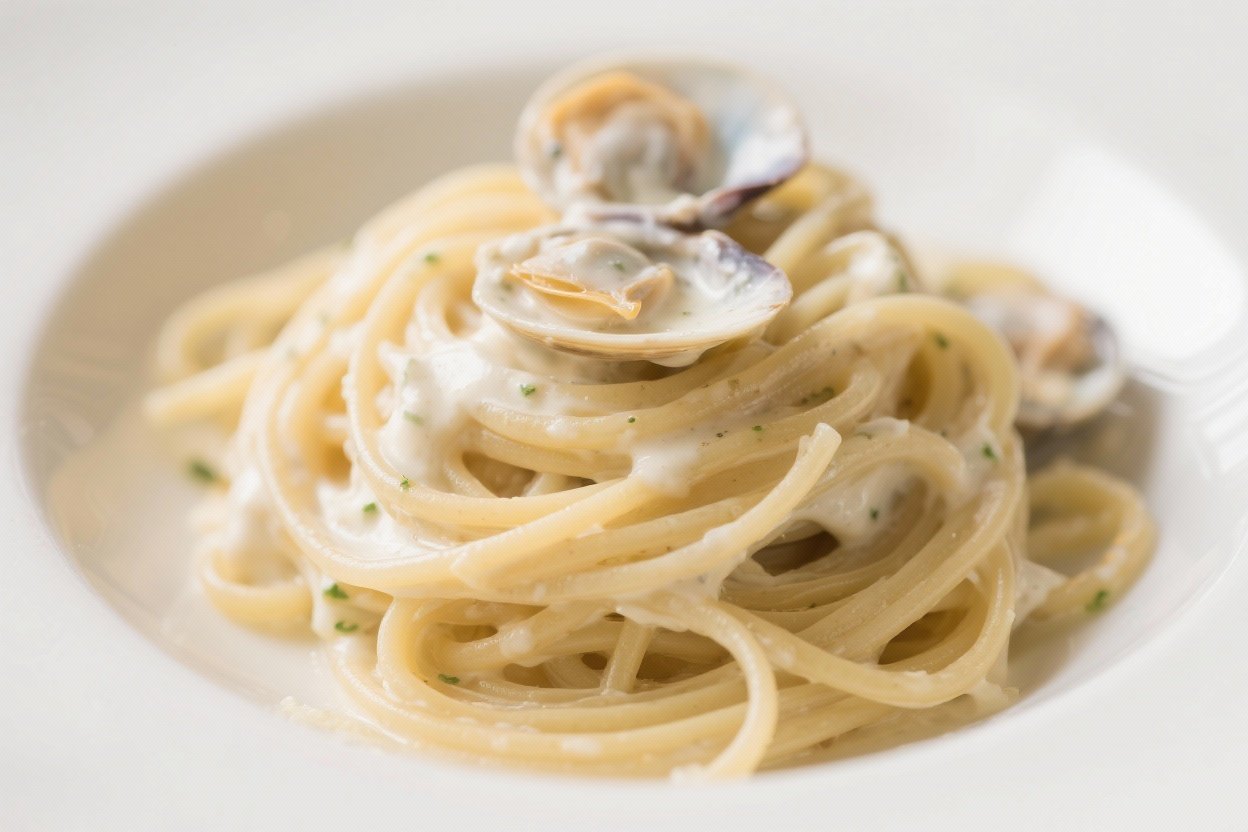
Linguine with white clam sauce is one of those dishes that feels fancy but comes together fast. It’s light yet satisfying, filled with the clean taste of the sea, garlic, and good olive oil. The sauce is simple, so every ingredient counts and shines.
It’s a perfect weeknight dinner that also works for guests. If you’ve never cooked with clams before, don’t worry—this recipe keeps it straightforward and approachable.
What Makes This Special
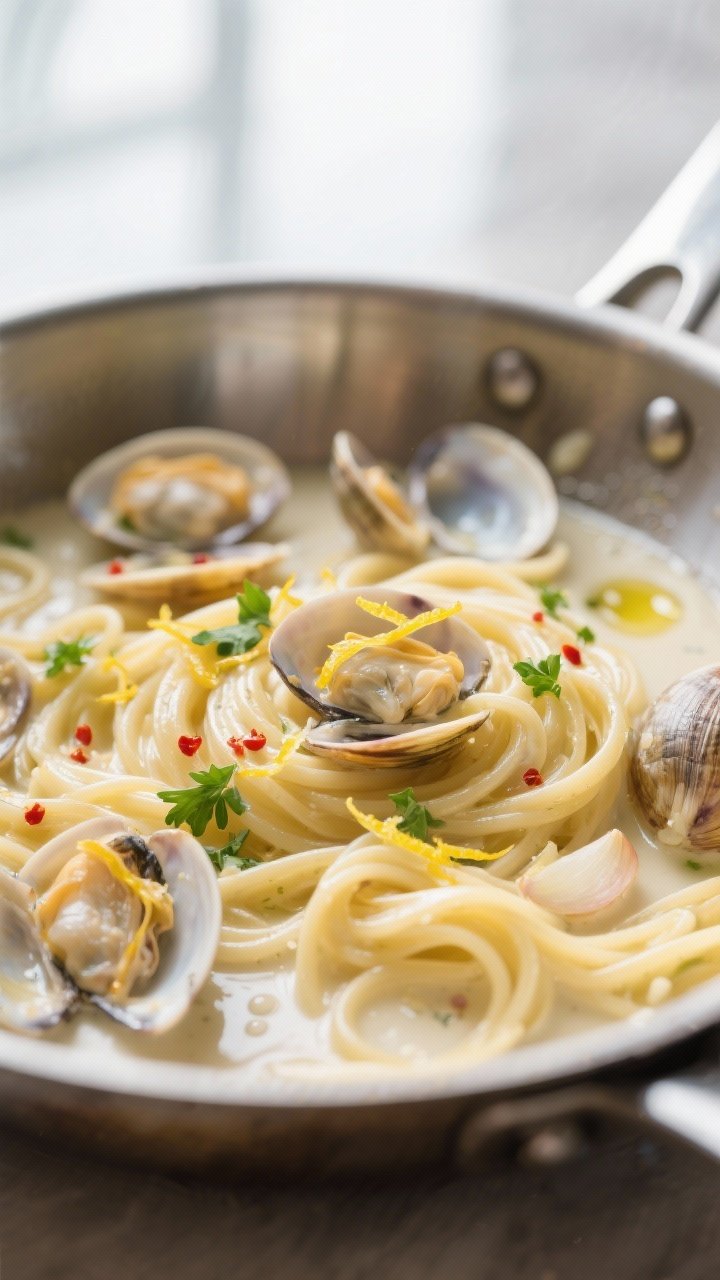
This dish is all about balance: briny clams, gentle heat from red pepper flakes, bright lemon, and fresh parsley. The sauce is more of an emulsion than a heavy cream base, which keeps the flavors clean.
You’ll use the pasta water to bring everything together, so the sauce clings to the linguine without feeling thick. It’s also a forgiving recipe—you can use fresh or good-quality canned clams and still get great results.
Shopping List
- Linguine: 12 ounces
- Fresh clams: 2 pounds littleneck or Manila, scrubbed and rinsed (or 2 cans chopped clams, plus their juice)
- Olive oil: 4 tablespoons, good quality
- Butter: 2 tablespoons (optional but recommended)
- Garlic: 6–8 cloves, thinly sliced
- Shallot: 1 small, finely chopped (optional)
- Red pepper flakes: 1/2 teaspoon, or to taste
- Dry white wine: 1 cup (Pinot Grigio, Sauvignon Blanc, or similar)
- Lemon: 1, zested and juiced
- Fresh parsley: 1/2 cup, finely chopped
- Sea salt and freshly ground black pepper
- Pasta cooking water: Reserve 1 cup
- Optional finishers: Extra-virgin olive oil for drizzling; a pinch of dried oregano; grated Parmesan (traditionalists skip it, but it’s your kitchen)
Instructions
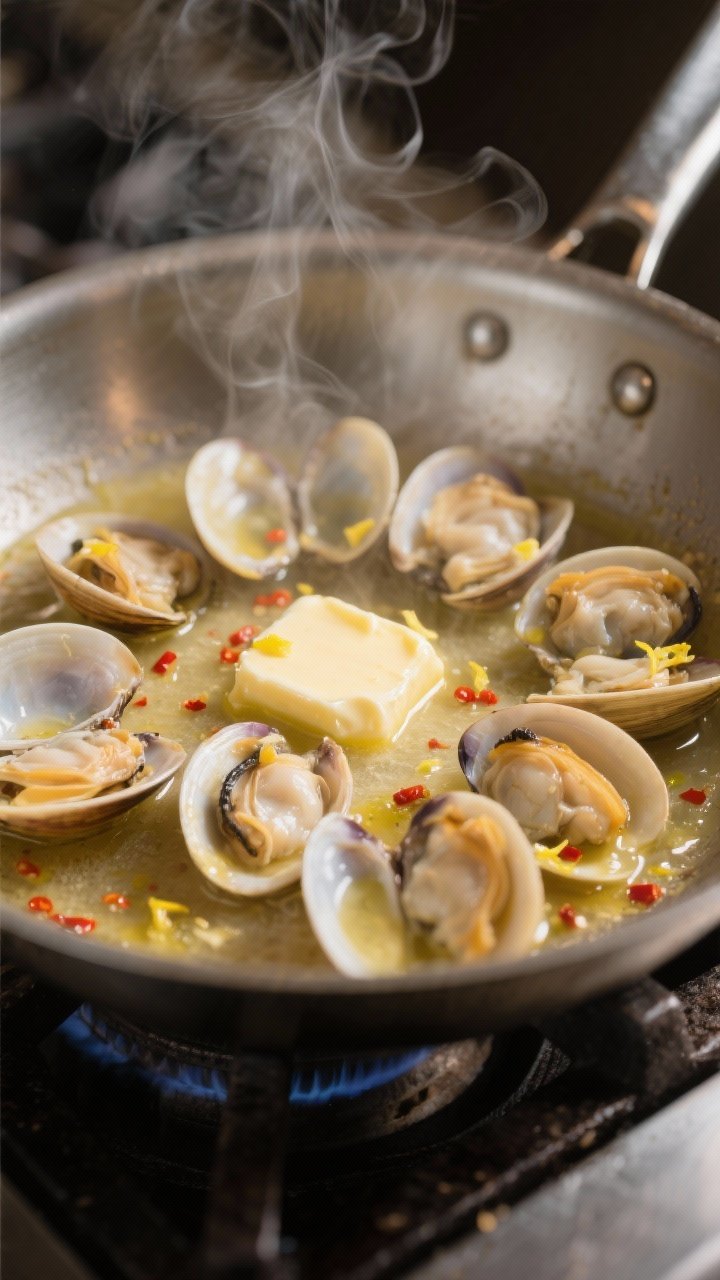
- Clean the clams. If using fresh clams, scrub the shells under cold water and discard any that are cracked or that stay open when tapped. Keep chilled while you prep everything else.
- Boil the pasta. Bring a large pot of salted water to a boil.
Cook linguine until just shy of al dente—about 1 minute less than package directions. Reserve 1 cup of the starchy pasta water before draining.
- Sauté aromatics. In a large, wide pan, warm 3 tablespoons olive oil over medium heat. Add garlic and shallot.
Cook gently until fragrant and just turning golden at the edges, about 1–2 minutes. Add red pepper flakes and a pinch of salt.
- Deglaze with wine. Pour in the white wine and bring to a lively simmer. Let it reduce by about half, 2–3 minutes.
This concentrates the flavor and removes the raw alcohol taste.
- Steam the clams. Add fresh clams to the pan, cover with a lid, and cook 5–7 minutes, shaking the pan occasionally, until most clams open. Discard any that remain closed. If using canned clams, skip to Step 6 and add them later to avoid overcooking.
- Build the sauce. Add the butter, lemon zest, and half the parsley to the pan.
If using canned clams, add them now along with their juice. Stir gently. Add a splash of reserved pasta water to start the emulsion.
- Toss with pasta. Add the drained linguine directly to the pan.
Toss over medium heat for 1–2 minutes, adding more pasta water a little at a time until the sauce becomes glossy and clings to the noodles. Squeeze in lemon juice to taste. Adjust salt and pepper.
- Finish and serve. Drizzle with the remaining tablespoon of olive oil, sprinkle with the rest of the parsley, and add a little extra red pepper flakes if you like.
Serve immediately, with lemon wedges on the side.
Storage Instructions
This dish tastes best fresh, especially with fresh clams. If you have leftovers, store in an airtight container in the refrigerator for up to 1 day. Reheat gently in a skillet with a splash of water or broth to loosen the sauce.
Avoid microwaving for too long—it can make the clams tough. For food safety, don’t refreeze cooked clams, and discard any clams that didn’t open during cooking.

Why This is Good for You
- Lean protein and minerals: Clams are rich in protein, iron, and vitamin B12, which support energy and brain health.
- Heart-healthy fats: Olive oil provides monounsaturated fats that are good for your heart.
- Lower-calorie sauce: The sauce relies on wine, clam juice, and pasta water instead of heavy cream, keeping the dish lighter without losing flavor.
- Fresh aromatics: Garlic, parsley, and lemon bring antioxidants and brightness with minimal calories.
Common Mistakes to Avoid
- Overcooking the clams: Fresh clams only need a few minutes. Once they open, they’re done.
Overcooked clams become rubbery.
- Skipping the scrub: Grit ruins the dish. Thoroughly clean clams and rinse well before cooking.
- Boiling the sauce too hard: Keep the heat moderate to avoid evaporating too much liquid and drying out the sauce.
- Forgetting pasta water: The starchy water helps the sauce emulsify and cling. Always reserve a cup before draining.
- Over-salting: Clam juice is naturally salty.
Taste before adding extra salt.
- Using the wrong pan: A wide skillet helps clams cook evenly and gives room to toss the pasta with the sauce.
Variations You Can Try
- Herb swap: Replace parsley with basil or chives for a different finish.
- Add veg: Toss in sautéed spinach, cherry tomatoes, or ribbons of zucchini for color and freshness.
- Creamy twist: Stir in a splash of heavy cream or a spoon of mascarpone at the end for a silkier sauce.
- Anchovy boost: Melt 2 anchovy fillets into the oil with the garlic for deeper umami. They won’t make it fishy.
- Breadcrumb crunch: Toast breadcrumbs in olive oil with garlic and lemon zest. Sprinkle on top for texture.
- Gluten-free: Use gluten-free linguine and confirm your clam broth is gluten-free.
- Non-alcoholic: Swap the wine with low-sodium seafood or vegetable broth plus an extra squeeze of lemon.
FAQ
Can I use canned clams instead of fresh?
Yes.
Choose good-quality canned chopped clams and add them near the end to avoid overcooking. Use their juice in the sauce for flavor. It’s not identical to fresh, but it’s still delicious and very convenient.
How do I know if clams are safe to eat?
Before cooking, discard any clams with broken shells or that don’t close when tapped.
After cooking, throw out any that remain shut. Buy from a reputable fishmonger, and keep them cold until cooking.
What’s the best wine for the sauce?
A crisp, dry white like Pinot Grigio, Sauvignon Blanc, or Vermentino works well. Avoid sweet or oaky wines.
If you don’t cook with alcohol, use seafood stock or vegetable broth and add extra lemon for brightness.
Should I add cheese?
Traditional Italian cooking avoids cheese with seafood pasta. That said, it’s your dinner. If you enjoy it, add a light sprinkle of Parmesan or pecorino at the table, but keep it modest so it doesn’t overpower the clams.
Can I make this ahead?
It’s best cooked and served right away.
If you need to prep ahead, clean the clams, slice the garlic, and measure ingredients. Cook the pasta and finish the sauce just before serving to keep the texture ideal.
Why is my sauce watery?
You likely didn’t reduce the wine enough or didn’t toss long enough with the pasta water to emulsify. Simmer the wine to reduce by half, then toss the pasta with small additions of starchy water until glossy.
What pasta shape works if I don’t have linguine?
Spaghetti, fettuccine, or bucatini work well.
The goal is a long noodle that holds the light sauce.
How do I avoid gritty clams?
Scrub the shells, rinse thoroughly, and soak briefly in cold water so they purge sand. Some cooks add a spoon of salt to the soaking water for 20 minutes; then rinse well. Never skip this step.
Can I make it spicy?
Definitely.
Increase red pepper flakes to taste or finish with a drizzle of chili oil. Add the heat gradually—you can always add more at the end.
Final Thoughts
Linguine with white clam sauce is a simple, joyful dish that rewards good ingredients and gentle technique. Keep the heat moderate, don’t overcook the clams, and lean on lemon, parsley, and quality olive oil for lift.
It’s proof that you don’t need a long ingredient list to make something memorable. Serve it with a green salad and a crisp white wine, and you’ve got a classic meal that never goes out of style.