Butter Garlic Lobster Tails – Simple, Elegant, and Full of Flavor
Few dishes feel as special as butter garlic lobster tails. They’re rich, tender, and surprisingly simple to make at home. You don’t need a fancy setup or chef skills—just good ingredients and a little attention to detail.
This method gives you juicy lobster with a silky garlic butter sauce that tastes like a restaurant classic. Serve it for date night, holidays, or whenever you want to make dinner feel a bit more memorable.
What Makes This Recipe So Good
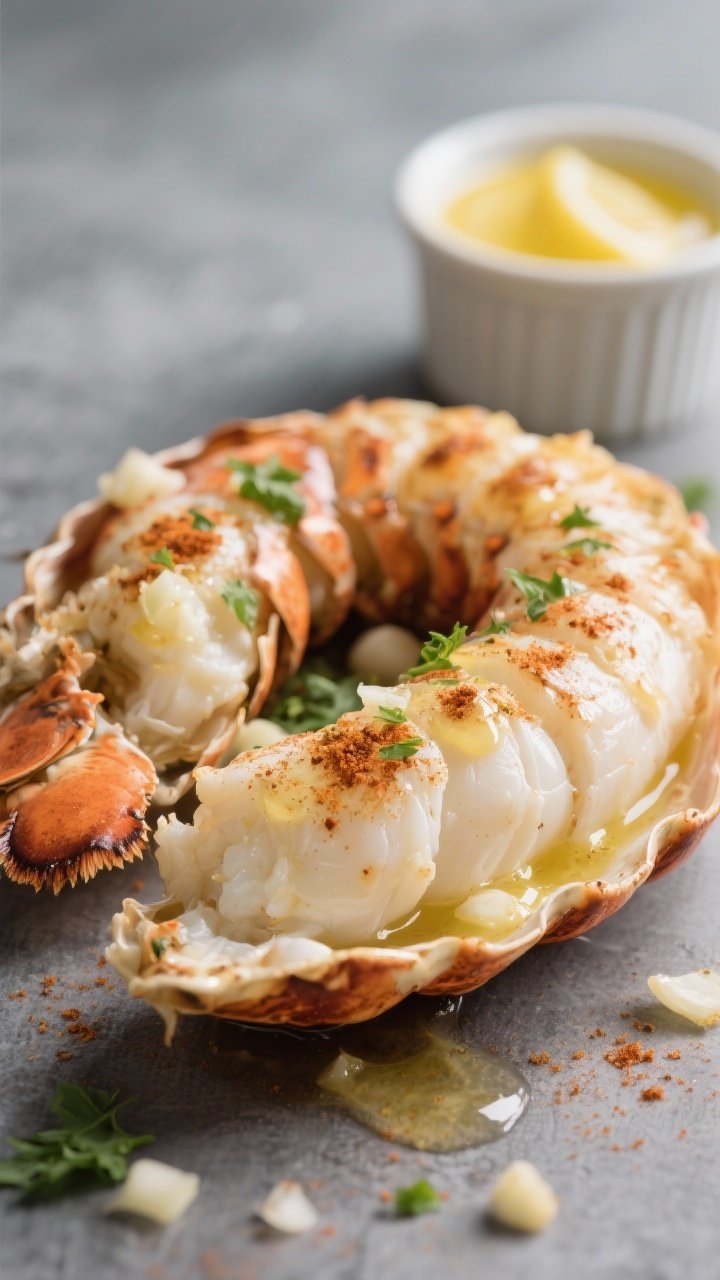
- Big flavor, minimal effort: The combination of butter, garlic, and lemon brings out the best in lobster without overpowering it.
- Quick cooking time: Lobster tails cook in under 15 minutes, making this perfect for busy nights or last-minute hosting.
- Works with broiling, baking, or grilling: Choose the method that fits your kitchen and comfort level.
- Restaurant-worthy finish: A final brush of warm garlic butter makes the lobster glossy and extra juicy.
- Flexible sides: Serve with mashed potatoes, asparagus, or crusty bread to soak up the sauce.
What You’ll Need
- 4 lobster tails (4 to 6 ounces each), thawed if frozen
- 6 tablespoons unsalted butter
- 4 garlic cloves, finely minced
- 1 tablespoon lemon juice, plus more to taste
- 1 teaspoon lemon zest (optional but brightens the flavor)
- 1 tablespoon fresh parsley, finely chopped
- 1/2 teaspoon smoked paprika (or sweet paprika)
- 1/4 teaspoon crushed red pepper flakes (optional)
- Kosher salt and freshly ground black pepper, to taste
- 1 tablespoon olive oil (for brushing, optional)
- Lemon wedges, for serving
Step-by-Step Instructions
- Thaw the lobster tails if needed: Place them in the fridge overnight, or submerge in cold water for 30–45 minutes. Pat dry with paper towels.
- Make the garlic butter: In a small saucepan over low heat, melt the butter.
Add the garlic and cook 1–2 minutes until fragrant but not browned. Stir in lemon juice, zest, parsley, paprika, red pepper flakes (if using), and a pinch of salt and pepper. Keep warm.
- Prepare the lobster shells: Using kitchen shears, cut down the top center of each shell lengthwise, stopping before the tail fin.
Gently pull the shell apart and loosen the meat from the sides.
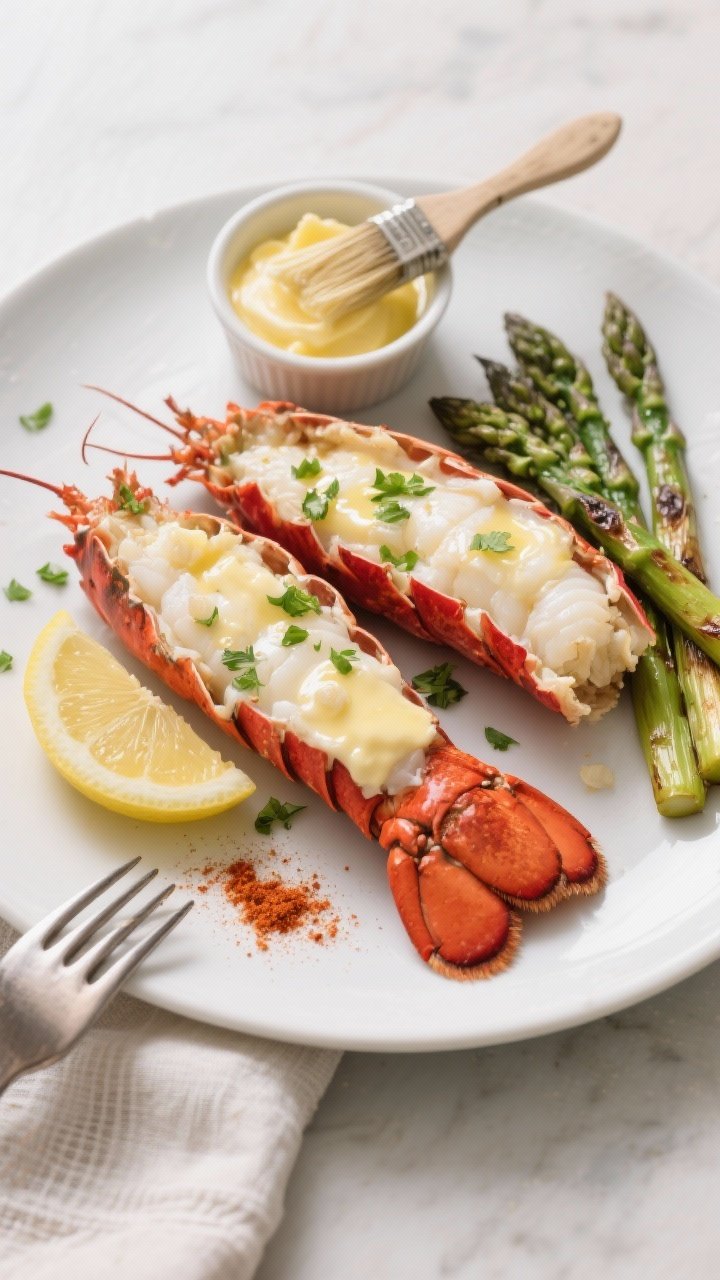
- Butterfly the meat: Lift the meat up and out, resting it on top of the shell while keeping it attached at the tail end. This helps it cook evenly and look great.
- Season: Brush the meat lightly with olive oil. Sprinkle with salt, pepper, and a little paprika.
Spoon some garlic butter over each tail, reserving half for after cooking.
- Choose your cooking method:
- Broil: Preheat broiler to high. Place lobster tails on a foil-lined baking sheet, 5–6 inches from the heat source. Broil 7–10 minutes, depending on size, until the meat is opaque and the edges are lightly browned.
Internal temperature should reach 135–140°F (57–60°C).
- Bake: Preheat oven to 425°F (220°C). Bake for 10–14 minutes, basting once halfway through. Aim for the same internal temperature.
- Grill: Heat grill to medium-high.
Grill flesh side up with the shell down for 6–10 minutes. Brush with extra garlic butter as it cooks.
- Broil: Preheat broiler to high. Place lobster tails on a foil-lined baking sheet, 5–6 inches from the heat source. Broil 7–10 minutes, depending on size, until the meat is opaque and the edges are lightly browned.
- Finish with more butter: Brush the hot lobster generously with the remaining warm garlic butter. Add a squeeze of lemon.
- Serve: Plate with lemon wedges and a sprinkle of fresh parsley.
Pair with rice, salad, or buttered noodles.
How to Store
- Refrigerate: Store cooked lobster tails in an airtight container up to 2 days. Keep any extra garlic butter separately.
- Reheat gently: Use low heat to avoid toughening. Warm in a covered skillet with a splash of water or butter for 2–3 minutes, or in a 300°F (150°C) oven for 6–8 minutes.
- Avoid freezing cooked lobster: It can become rubbery when thawed.
If you must, wrap tightly and use within a month.
Why This is Good for You
- Lean protein: Lobster is high in protein and relatively low in fat, keeping you satisfied without feeling heavy.
- Omega-3s: You’ll get heart-friendly fats that support brain and cardiovascular health.
- Micronutrients: Lobster provides selenium, B12, zinc, and copper, which support immunity and energy.
- Balanced indulgence: Butter adds richness and fat-soluble flavor without needing heavy sauces or breading.
What Not to Do
- Don’t overcook: This is the fastest way to ruin lobster. Pull it as soon as it’s opaque and hits 135–140°F.
- Don’t skip seasoning: Even a simple sprinkle of salt, pepper, and lemon makes a big difference.
- Don’t burn the garlic: Bitter garlic will overpower the dish. Keep heat low and watch closely.
- Don’t cook from frozen: Thaw first for even cooking and better texture.
- Don’t drench with sauce before cooking: A light brush is enough; save most of the butter for finishing.
Recipe Variations
- Herb-forward: Add fresh thyme, chives, or tarragon to the butter for a fragrant twist.
- Spicy: Increase red pepper flakes or add a pinch of cayenne.
A dash of hot sauce in the butter works too.
- Citrus garlic butter: Swap lemon for a mix of lemon and orange zest for a slightly sweeter finish.
- Parmesan crust: Sprinkle a little grated Parmesan over the tails in the last 2 minutes of broiling for a delicate crust.
- Miso butter: Whisk 1 teaspoon white miso into the melted butter for umami depth.
- Smoked: If you have a smoker, cook at 225°F for 35–45 minutes, then finish under the broiler with butter for color.
FAQ
How do I know when lobster tails are done?
The meat turns opaque and white, with a slight firmness but still tender. The internal temperature should read 135–140°F. If the edges start to brown and curl slightly, it’s usually ready.
Should I remove the vein (digestive tract)?
If you see a dark line running along the top of the meat after butterflying, gently pull it out with a knife tip or rinse it away.
It’s harmless but better removed for appearance and texture.
Can I use frozen lobster tails?
Yes, just thaw them fully first. Place in the fridge overnight or submerge in cold water for 30–45 minutes. Pat dry before seasoning and cooking.
What’s the best size lobster tail to buy?
Tails in the 4–6 ounce range are ideal.
They cook evenly and stay tender. Larger tails can be great, but they require a bit more care to avoid overcooking the edges.
Is clarified butter better than regular butter?
Clarified butter has a higher smoke point and stays silky, especially for grilling. Regular butter works perfectly for broiling or baking, and it adds a fuller dairy flavor.
Can I make the garlic butter ahead of time?
Yes.
Make it up to 3 days in advance and refrigerate. Warm gently before using so it’s easy to brush and drizzle.
What should I serve with lobster tails?
Good options include steamed asparagus, roasted potatoes, a green salad, or buttered noodles. Garlic bread or a warm baguette is perfect for soaking up extra butter.
Why are my lobster tails tough?
They were likely overcooked.
Use a thermometer and pull them as soon as they hit temperature. Also make sure they were fully thawed before cooking.
Final Thoughts
Butter garlic lobster tails are a simple way to make dinner feel special without stress. With a few pantry ingredients and careful timing, you get tender, flavorful meat and a glossy, lemony finish.
Keep the heat moderate, watch the color, and don’t be shy with that final brush of butter. Serve with your favorite sides, a squeeze of lemon, and enjoy a restaurant-style meal at home.