Classic Fruitcake – A Tender, Festive Loaf That Actually Tastes Great
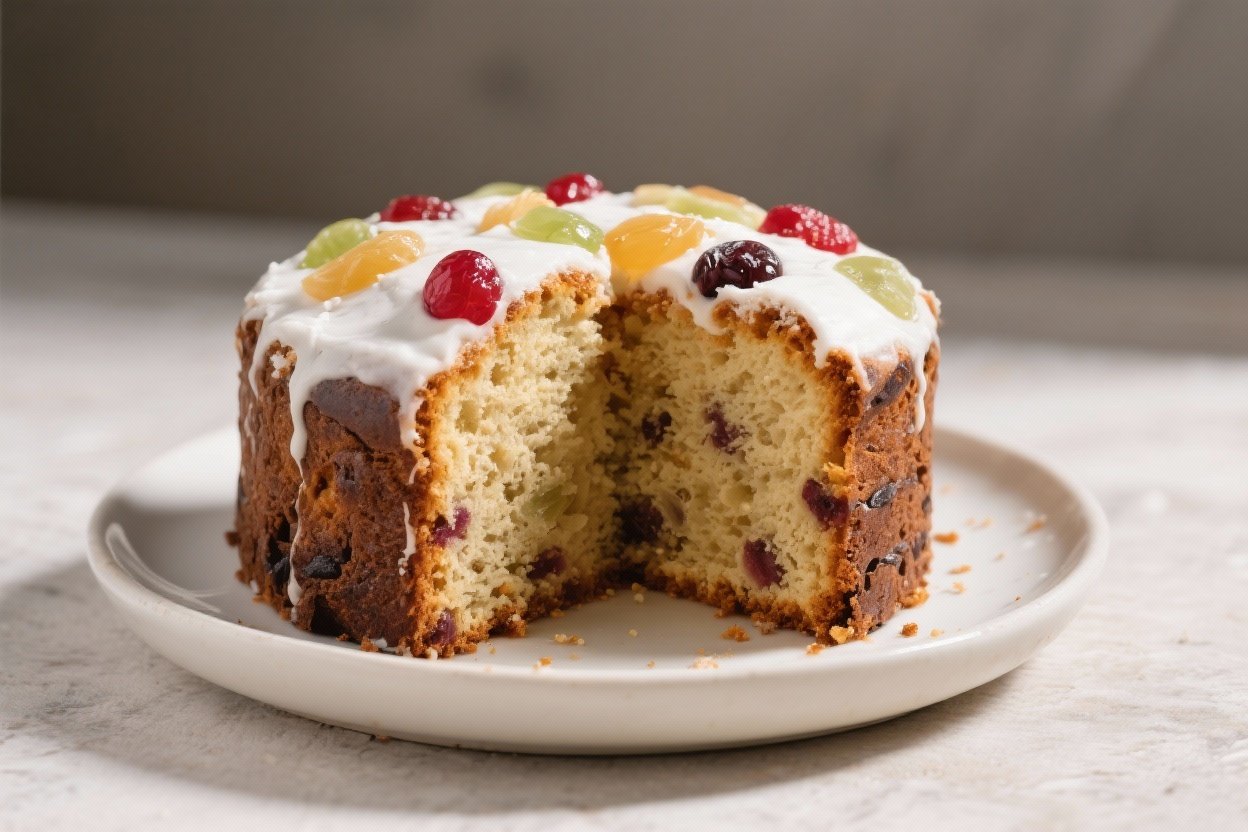
Classic fruitcake has a reputation, but when made right, it’s fragrant, tender, and full of flavor. This version leans on warm spices, buttery batter, and a careful mix of dried fruits and nuts. It’s moist without being heavy, sweet without being cloying, and perfect for gifting or slicing with tea.
You can bake it ahead, let it mature, and enjoy a slice that gets better every week. If you’ve only had the overly sugary kind, this recipe might change your mind.
What Makes This Recipe So Good

- Balanced sweetness: A touch of brown sugar and molasses rounds the flavor without making it sticky-sweet.
- Moist texture: Soaked fruit keeps the crumb tender and flavorful, not dense and brick-like.
- Warm, cozy spices: Cinnamon, nutmeg, allspice, and a hint of ginger make the whole loaf smell like the holidays.
- Make-ahead friendly: Fruitcake improves over time. A few days—or even weeks—lets the flavors meld beautifully.
- Customizable mix-ins: Use whatever dried fruits and nuts you like.
This recipe is flexible and forgiving.
- Optional spirits: A little brandy or rum adds depth. Non-alcoholic swaps work just as well.
What You’ll Need
- Dried fruit (about 3 cups total): Raisins, golden raisins, chopped apricots, cherries, cranberries, dates, or currants.
- Nuts (1 cup): Chopped walnuts, pecans, or almonds.
- Citrus zest: Zest of 1 orange and 1 lemon.
- Brandy or dark rum (1/2 cup): For soaking fruit. For a non-alcoholic option, use strong black tea or apple juice.
- All-purpose flour (2 cups): Spoon and level for accuracy.
- Baking powder (1 1/2 teaspoons): For lift.
- Kosher salt (1/2 teaspoon): Balances sweetness.
- Ground spices (about 2 teaspoons total): Cinnamon (1 teaspoon), nutmeg (1/4 teaspoon), allspice (1/2 teaspoon), ground ginger (1/4 teaspoon).
- Unsalted butter (1 cup, softened): Room temperature.
- Brown sugar (3/4 cup): Light or dark.
- Granulated sugar (1/4 cup): Adds structure and sweetness.
- Molasses (1 tablespoon): Optional, for depth.
- Large eggs (4): Room temperature.
- Vanilla extract (2 teaspoons): Adds warm aroma.
- Milk (1/4 cup): Or orange juice for a citrusy note.
- Optional finishing spirits (2–4 tablespoons): Brandy or rum for brushing after baking.
How to Make It

- Soak the fruit: Combine dried fruit, citrus zest, and brandy (or tea/juice) in a bowl.
Microwave for 60–90 seconds or warm gently on the stove. Stir and let sit at least 30 minutes, or cover and refrigerate overnight. This step makes the loaf moist and flavorful.
- Prep the pan and oven: Heat oven to 325°F (165°C).
Grease a 9×5-inch loaf pan and line it with parchment, leaving overhang for easy removal. Grease the parchment too.
- Mix dry ingredients: In a medium bowl, whisk flour, baking powder, salt, and spices. Set aside.
- Cream butter and sugars: In a large bowl, beat butter, brown sugar, and granulated sugar until light and fluffy, 3–4 minutes.
Mix in molasses and vanilla.
- Add eggs one at a time: Beat in eggs, one by one, scraping the bowl as needed. If the mixture looks slightly curdled, don’t worry—it will come together with the flour.
- Combine the batter: Add half the dry ingredients, then the milk, then the remaining dry ingredients. Mix just until combined.
Overmixing can make the cake tough.
- Fold in fruit and nuts: Drain any excess soaking liquid if necessary (save it for brushing later). Toss the nuts with a tablespoon of flour to help them suspend, then fold fruit and nuts gently into the batter until evenly distributed.
- Fill and smooth: Scrape batter into the prepared pan and smooth the top. If you like, arrange a few extra nuts or candied cherries on top for decoration.
- Bake low and slow: Bake 70–90 minutes, until a skewer inserted in the center comes out clean or with a few moist crumbs.
If the top browns too quickly, tent loosely with foil.
- Brush and cool: Let the fruitcake cool in the pan for 15 minutes. Lift it out using the parchment. While warm, brush the top and sides with a tablespoon or two of brandy, rum, or reserved soaking liquid.
- Rest before slicing: Cool completely.
For best flavor, wrap tightly and let it rest 24–48 hours before slicing. The flavor deepens with time.
Keeping It Fresh
- Short-term: Wrap the cooled loaf tightly in parchment, then in foil. Store at room temperature for up to one week.
- Longer storage: For up to a month, keep wrapped fruitcake in an airtight tin at a cool room temperature.
Brush with a teaspoon of brandy or tea once a week to keep it moist.
- Freezing: Wrap in plastic, then foil, and freeze for up to 3 months. Thaw overnight in the fridge, then bring to room temperature before serving.
Benefits of This Recipe
- Budget-friendly: Uses pantry staples and flexible fruit choices, so you can tailor it to what you have.
- Great for gifting: Sturdy, sliceable, and easy to transport without crumbling.
- Make-ahead convenience: Baking ahead reduces holiday stress and improves flavor.
- Customizable: Swap spices, fruits, and nuts to match your tastes or dietary needs.
- Reliable texture: Soaked fruit and a gentle bake keep it tender, not dry.
Common Mistakes to Avoid
- Skipping the soak: Dry fruit robs moisture from the batter and makes a crumbly loaf.
- Overbaking: Fruitcake should be firm but not dry. Start checking at 70 minutes and cover with foil if needed.
- Overmixing the batter: Once the flour goes in, mix just until combined to avoid a tough crumb.
- Using only one type of fruit: A mix of tart, sweet, and chewy fruits gives better flavor and texture.
- Not lining the pan: Sticky fruits can cause sticking.
Parchment makes removal easy and protects the edges.
Alternatives
- Non-alcoholic fruitcake: Soak fruit in strong black tea, orange juice, or spiced apple cider. Brush the finished cake with tea or juice instead of spirits.
- Gluten-free: Use a 1:1 gluten-free all-purpose flour blend with xanthan gum. Let the batter rest 10 minutes before baking to hydrate.
- Dairy-free: Swap butter for a quality dairy-free baking stick and use a non-dairy milk like almond or oat.
- Spice-forward: Add cardamom or clove (a pinch goes a long way) for a bolder profile.
- Citrus glaze: Skip the spirits and finish with a simple orange-lemon glaze made from powdered sugar and juice.
FAQ
Do I have to let fruitcake age?
Letting it rest for at least 24 hours improves the flavor.
Aging for a week or two, wrapped well and brushed occasionally with brandy or tea, gives the best results. It’s not mandatory, but it’s worth it.
What’s the best pan to use?
A 9×5-inch loaf pan is classic. You can also use two smaller loaf pans; reduce the bake time and start checking around 45–50 minutes.
A tube pan works too, but adjust timing accordingly.
Can I use fresh fruit?
Fresh fruit adds too much moisture and can make the cake soggy. Stick with dried or candied fruits for structure and shelf life.
How do I prevent the fruit from sinking?
Chop larger fruits into small pieces, pat them dry, and toss nuts with a little flour before folding in. A thicker batter and proper oven temperature also help keep everything suspended.
Is it very boozy?
It’s up to you.
Using brandy or rum adds depth, but you can use tea or juice for a completely alcohol-free version. The flavor will still be rich and festive.
Why is my fruitcake dry?
It was likely overbaked or the fruit wasn’t soaked long enough. Next time, soak thoroughly, bake at 325°F, and tent with foil if the top browns early.
Brush with liquid while warm to lock in moisture.
Can I add chocolate?
Yes. Fold in 1/2 cup mini chocolate chips at the end. They pair especially well with cherries and walnuts.
Final Thoughts
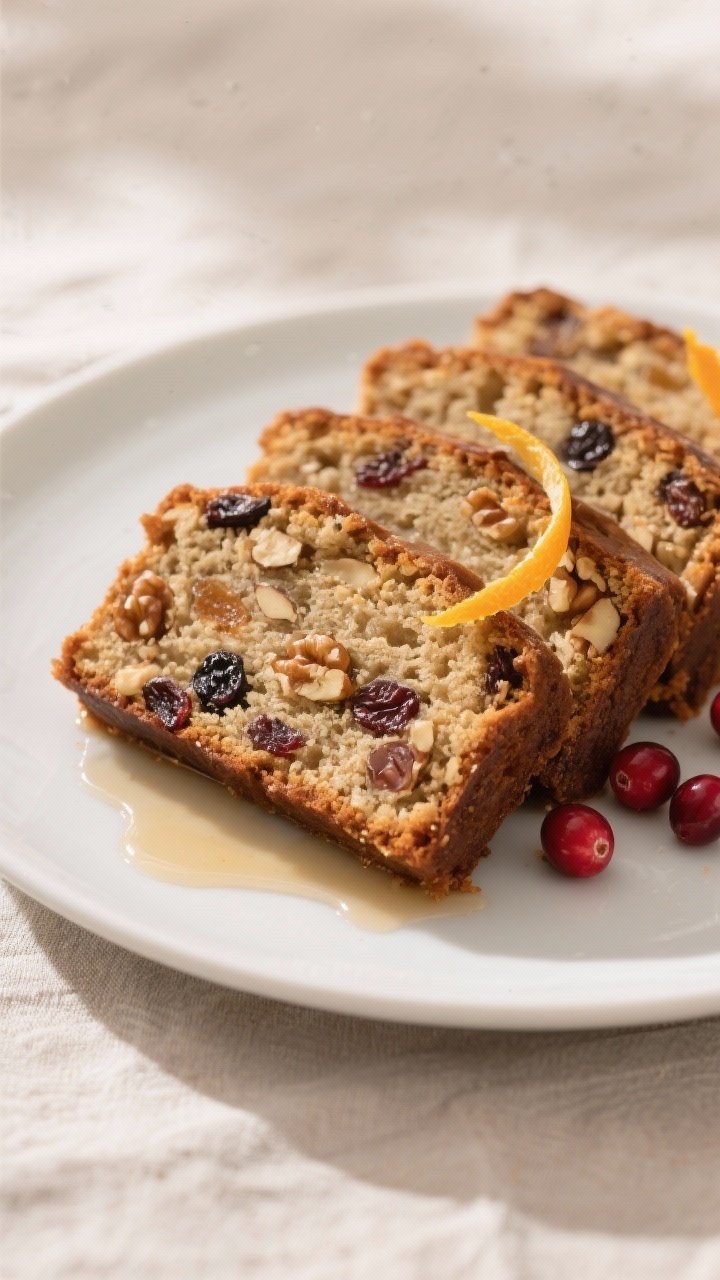
Classic fruitcake should be fragrant, moist, and pleasantly spiced—something you’re happy to slice and share.
With soaked fruit, gentle mixing, and a low oven, this loaf turns out beautifully every time. Make it your own with your favorite fruits and nuts, then give it a day or two to rest. It’s a timeless holiday bake that tastes as nostalgic as it feels, and it keeps well enough to enjoy all season long.