Classic Latkes That Turn Out Extra Crispy
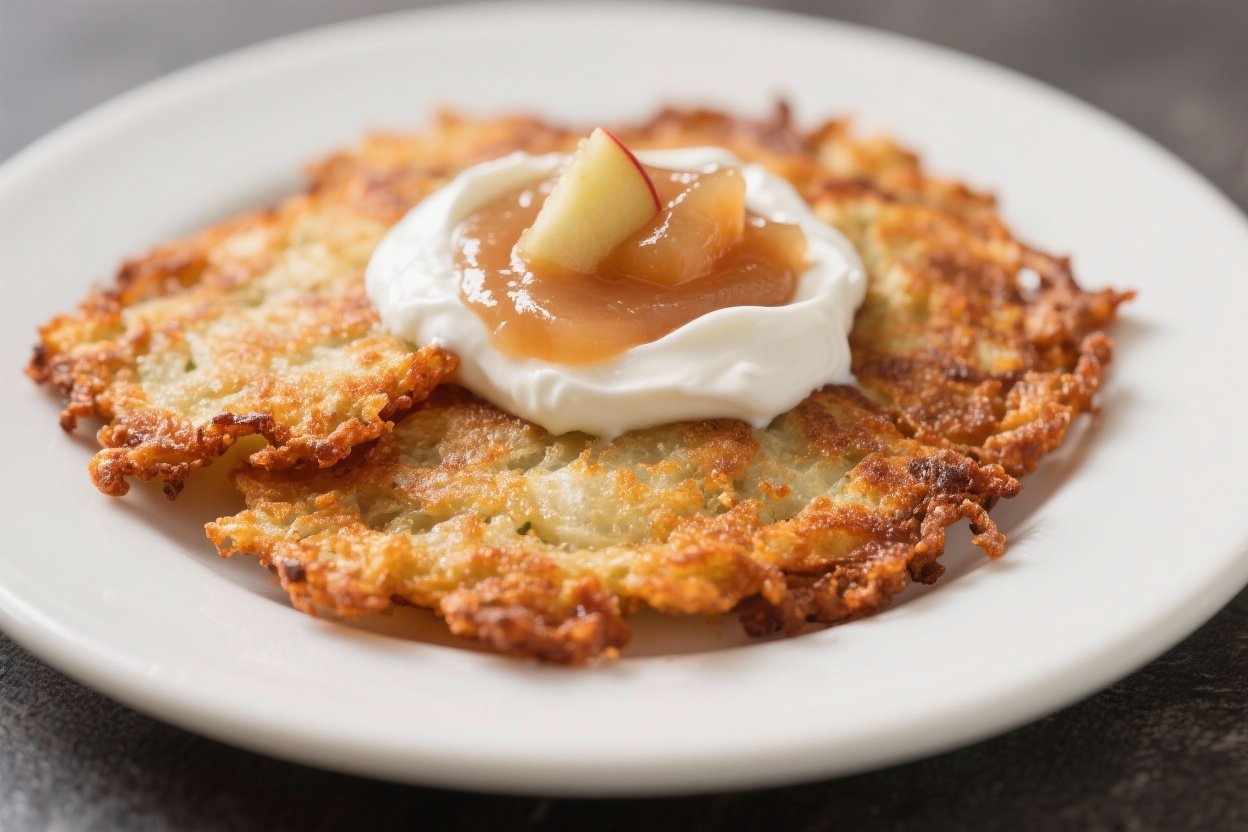
There’s something timeless about hot, golden latkes hitting the plate. They’re crisp on the outside, tender inside, and downright cozy with a dollop of applesauce and sour cream. This recipe keeps things classic and unfussy, with just the right technique to guarantee that irresistible crunch.
Whether you’re celebrating a holiday or simply craving comfort food, these latkes won’t disappoint. Grab a pan, and let’s make a batch you’ll be proud to serve.
What Makes This Special
Latkes are simple, but the details matter. The starch from the potatoes, the finely grated onion, and the right oil temperature make all the difference.
This method gives you that signature lacy edge and a soft, well-seasoned center. Paired with cool sour cream and bright applesauce, you get a balance of salty, creamy, and sweet that feels complete.
Shopping List
- Russet potatoes (about 2 pounds), peeled
- Yellow onion (1 medium), finely grated
- Eggs (2 large)
- All-purpose flour or matzo meal (about 1/4 cup)
- Salt (kosher preferred)
- Freshly ground black pepper
- Baking powder (1/2 teaspoon, optional for extra lift)
- Neutral oil for frying (such as canola, vegetable, or peanut oil)
- Applesauce, unsweetened or lightly sweetened
- Sour cream
- Chives or scallions (optional, for garnish)
Instructions
- Prep the potatoes. Peel the russets and grate them on the large holes of a box grater or with a food processor. Place the shreds in a large bowl of cold water and swish to release excess starch and prevent browning.
Let them sit for 5 minutes.
- Drain and wring. Drain the potatoes in a colander, then transfer them to a clean kitchen towel. Add the grated onion on top. Gather the towel’s corners and twist hard over the sink to squeeze out as much liquid as possible.
The drier the mixture, the crispier the latkes.
- Save the starch. If you like, let the drained liquid from the potatoes sit in a bowl for a minute. You’ll see white potato starch settle at the bottom. Pour off the liquid and scrape the starch back into the potato mixture.
This helps bind and crisp.
- Mix the batter. In a large bowl, combine the potato-onion mixture with eggs, flour or matzo meal, salt, pepper, and baking powder (if using). The mixture should hold together but not feel pasty. Adjust with a spoonful more flour if it’s too loose.
- Heat the oil. Pour about 1/4 inch of oil into a heavy skillet (cast iron works well).
Heat over medium-high until a shred of potato sizzles immediately. Aim for around 350°F if you’re using a thermometer.
- Form and fry. Scoop about 2 tablespoons of mixture per latke. Gently flatten into 3-inch rounds in the pan.
Don’t overcrowd. Fry until deep golden and crisp on the edges, about 3–4 minutes per side. Adjust heat to keep the oil hot but not smoking.
- Drain and season. Transfer latkes to a wire rack set over a baking sheet or to paper towels.
Sprinkle with a pinch of salt right away for extra flavor and crunch.
- Serve hot. Plate with generous spoonfuls of applesauce and sour cream. Add chopped chives or scallions if you want a fresh bite.
- Keep batches warm. If you’re frying in rounds, keep finished latkes in a 250°F oven on a rack-lined sheet until ready to serve. This maintains their crispness.
Keeping It Fresh
Latkes taste best right from the pan, but you can get ahead without losing texture.
For short-term prep, hold formed patties in the fridge for up to an hour, then fry just before serving. For make-ahead, fry fully, cool on a rack, and freeze on a sheet until solid. Then transfer to a freezer bag.
When you’re ready, reheat in a 425°F oven on a wire rack set over a sheet pan for 8–12 minutes until hot and crisp. Avoid microwaving; it softens the crust. Store leftover latkes in the fridge for up to 3 days and re-crisp in a hot oven or air fryer.
Benefits of This Recipe
- Consistently crisp results: The wringing and starch method locks in a crunchy crust.
- Approachable ingredients: Everything is easy to find and budget-friendly.
- Flexible structure: Flour or matzo meal both work, and you can tweak seasoning to taste.
- Great for gatherings: You can fry ahead and reheat, so timing doesn’t get stressful.
- Balanced flavors: Applesauce adds brightness, sour cream brings cool richness, and the latkes tie it all together.
Common Mistakes to Avoid
- Not squeezing enough liquid. Excess moisture leads to soggy centers and pale edges.
- Overcrowding the pan. This drops the oil temperature and prevents browning.
Work in batches.
- Oil too cool or too hot. Too cool equals greasy; too hot equals burnt outside, raw inside. Aim for steady sizzle.
- Using waxy potatoes. Russets are best; they shred well and crisp beautifully.
- Skipping seasoning. Salt the mixture and the fried latkes lightly right out of the pan.
Alternatives
- Gluten-free: Use potato starch or a gluten-free flour blend instead of flour or matzo meal.
- Vegetable mix-ins: Fold in a handful of grated carrots, parsnips, or zucchini (squeeze zucchini very dry).
- Herb twist: Add chopped dill or parsley to the batter for a fresh note.
- Spice it up: A pinch of smoked paprika or cayenne adds gentle warmth.
- Different toppings: Try crème fraîche, Greek yogurt, gravlax, or a quick apple-chive relish.
- Oven-baked option: For a lighter approach, brush a sheet pan with oil, spoon mounds, flatten, brush tops with oil, and bake at 425°F, flipping once. They won’t be as shatter-crisp, but still tasty.
FAQ
Can I grate the potatoes in advance?
Yes, but keep them submerged in cold water with a splash of lemon juice to prevent browning.
Drain and squeeze thoroughly right before mixing and frying.
What oil is best for frying latkes?
Use a neutral, high-heat oil like canola, vegetable, peanut, or sunflower. Avoid olive oil for deep frying—it smokes too quickly and can overpower the flavor.
Why are my latkes falling apart?
They’re likely too wet or underbound. Squeeze the mixture harder, and add a bit more flour or matzo meal.
Also, press gently in the pan to help them set.
How do I keep the first batch crisp while frying the rest?
Place finished latkes on a wire rack over a sheet pan in a 250°F oven. The rack allows air to circulate, preventing sogginess.
Is baking powder necessary?
No, but a small amount gives a subtle lift and a lighter interior. If you prefer a denser texture, leave it out.
Can I use sweet potatoes?
You can.
They produce a slightly sweeter, softer latke. Squeeze well and consider a touch more binder, since sweet potatoes release more moisture.
What’s the best applesauce for serving?
Unsweetened applesauce lets the potato flavor shine, but lightly sweetened or spiced applesauce (with cinnamon) is also delicious. Use what you enjoy.
Do I need a food processor?
No.
A box grater works perfectly and gives a rustic texture. A processor’s shredding disk is faster if you’re cooking for a crowd.
Final Thoughts
Classic crispy latkes are proof that simple ingredients can feel special. With a few smart steps—like squeezing out moisture and keeping the oil hot—you’ll get that golden, lacy crunch every time.
Set out bowls of applesauce and sour cream, pass the platter, and watch them disappear. Whether it’s a holiday tradition or a weekend treat, this is comfort food that always hits the spot.