Cozy Julebread Sweet Christmas Bread You’ll Absolutely Love
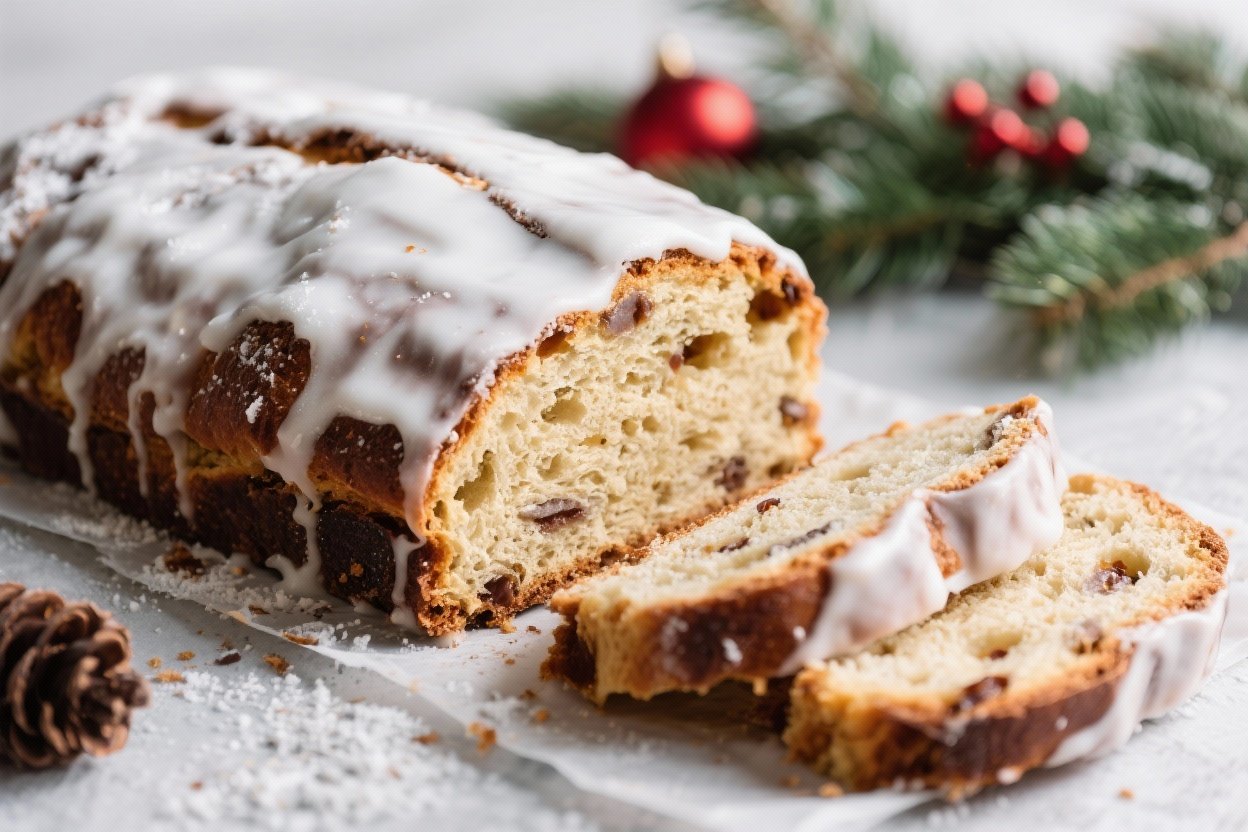
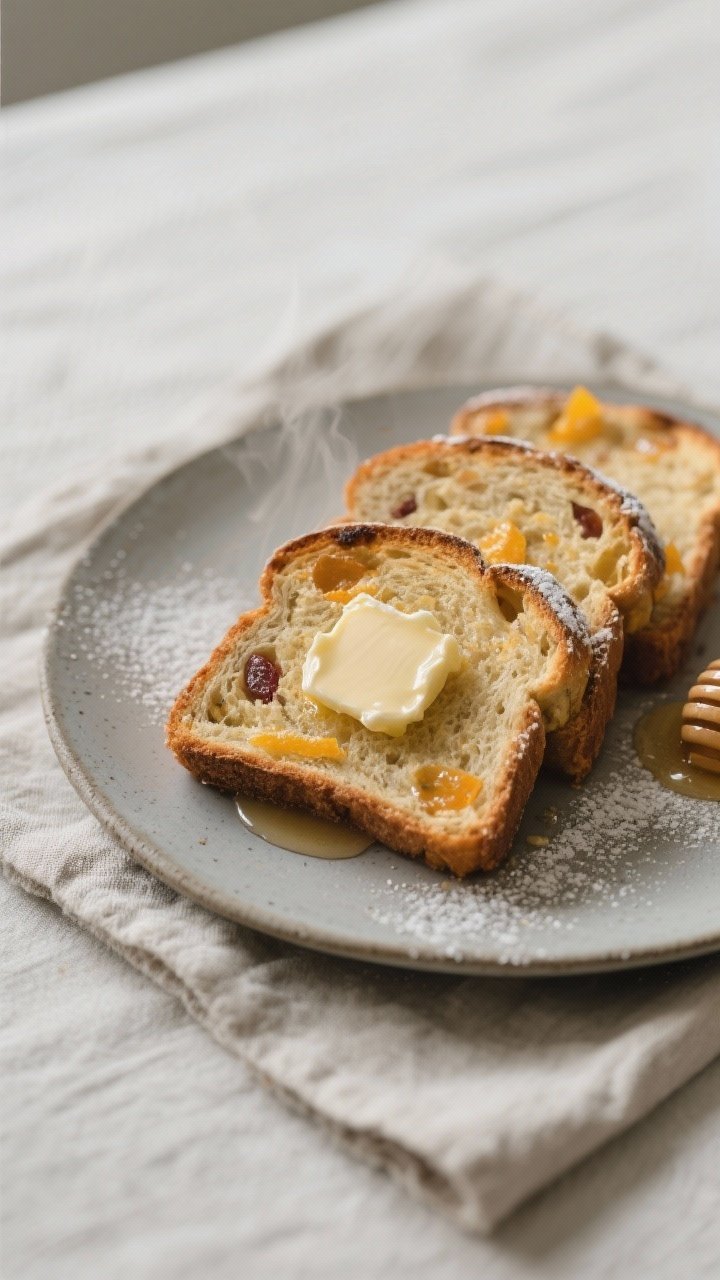
Julebread is the kind of holiday bread that makes the kitchen feel warm and festive the moment it starts baking. It’s a soft, slightly sweet loaf, dotted with dried fruit and scented with cardamom—a classic Nordic spice that brings gentle warmth. Sliced and buttered, it’s wonderful with coffee, tea, or hot cocoa.
It’s also a beautiful gift to share with neighbors and friends. If you love a bread that feels like a hug, this one belongs on your holiday table.
Why This Recipe Works
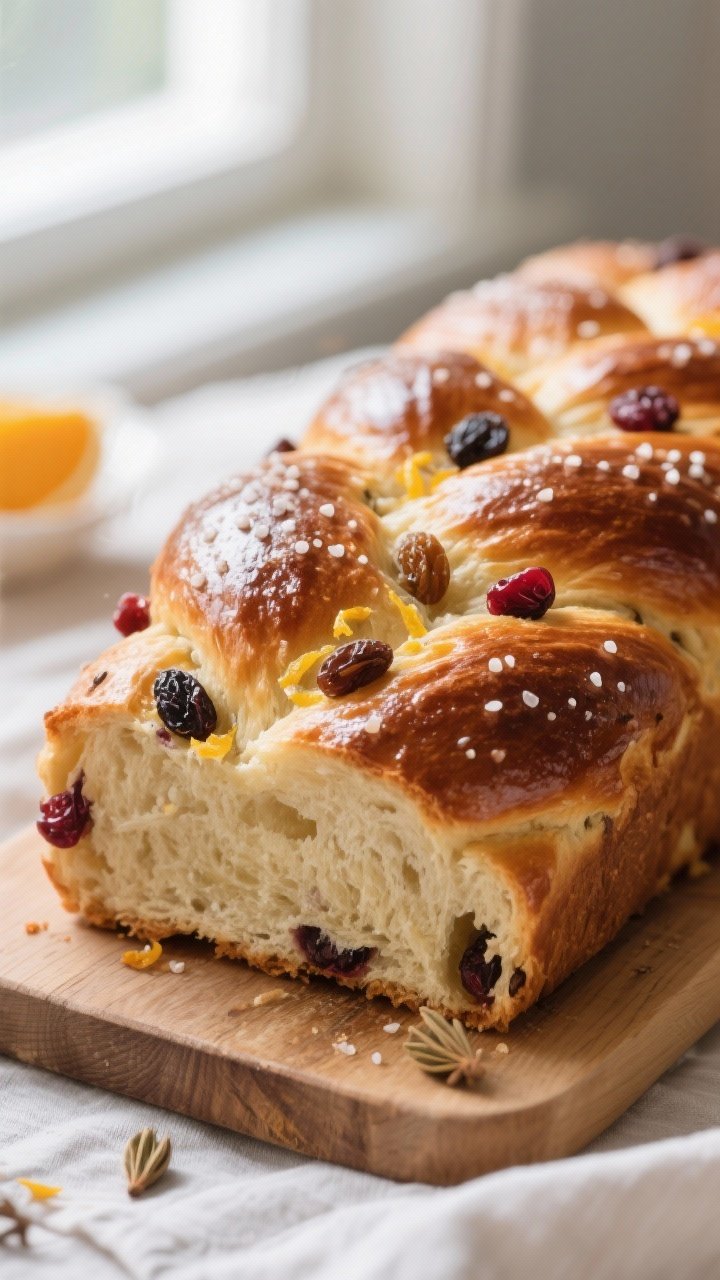
This julebread balances sweetness and spice without overwhelming the palate. The dough is enriched with milk, butter, and eggs, which gives the loaf a tender crumb and golden crust.
Soaking the dried fruit keeps it plump and juicy, so every slice is speckled with flavor. A hint of cardamom adds a traditional Scandinavian touch that pairs perfectly with citrus zest. The method is simple, reliable, and flexible for busy holiday schedules.
Shopping List
- All-purpose flour (or bread flour for a slightly chewier crumb)
- Active dry yeast (or instant yeast)
- Whole milk
- Unsalted butter
- Granulated sugar
- Eggs
- Salt
- Ground cardamom (freshly ground if possible)
- Raisins or currants
- Dried cranberries (optional but festive)
- Mixed candied citrus peel (optional)
- Orange zest or lemon zest
- Vanilla extract (optional)
- Pearl sugar or coarse sugar for topping (optional)
- Powdered sugar and a splash of milk for a simple glaze (optional)
Instructions
- Soak the fruit: Place raisins, currants, and cranberries in a bowl.Cover with hot water (or warm orange juice) and let sit for 10–15 minutes. Drain well and pat dry with paper towels so they don’t add extra moisture to the dough.
- Warm the milk and butter: In a small saucepan, heat milk until warm to the touch, not hot. Stir in butter until melted.The mixture should be about 105–110°F. If it’s hotter, let it cool so it doesn’t kill the yeast.
- Activate the yeast: In a large bowl, combine warm milk mixture, sugar, and yeast. Let sit for 5–10 minutes until the yeast gets foamy.If it doesn’t foam, the yeast may be old or the milk was too hot—start over for best results.
- Build the dough: Beat in eggs, salt, cardamom, citrus zest, and vanilla. Stir in 2 cups of flour until smooth. Add more flour, a little at a time, until a soft, slightly sticky dough forms.You should be able to handle it with lightly floured hands.
- Knead: Turn the dough onto a floured surface and knead for 8–10 minutes, or use a stand mixer with a dough hook for 6–7 minutes. The dough should be smooth, elastic, and just tacky.
- Add the fruit: Flatten the dough gently and sprinkle the drained fruit over it. Fold and knead lightly to distribute evenly.If fruit pops out, tuck it back in as you go.
- First rise: Place the dough in a lightly greased bowl, cover, and let rise in a warm spot until doubled, about 1–1.5 hours. A slightly warm oven (turned off) works well.
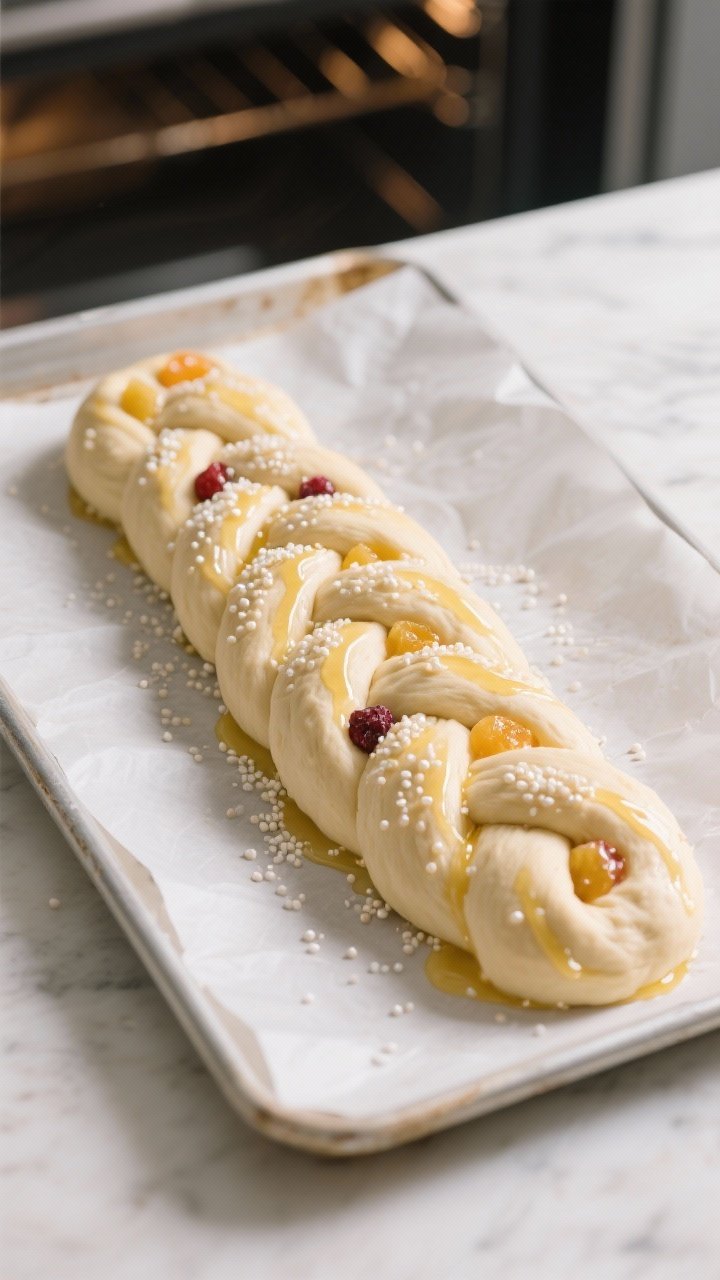
- Shape: Punch down the dough and shape into a round or a simple bâtard (oval). For a festive look, divide into three ropes and braid, tucking the ends underneath.
- Second rise: Set the shaped loaf on a parchment-lined baking sheet or in a greased loaf pan.Cover loosely and let rise until puffy, 30–45 minutes. It should slowly spring back when gently pressed.
- Preheat and glaze: Preheat the oven to 350°F (175°C). For a shiny crust, brush the loaf with an egg wash (1 egg beaten with 1 tablespoon milk).Sprinkle with pearl sugar if using.
- Bake: Bake for 30–40 minutes, depending on shape and size, until deep golden brown. The internal temperature should read about 190–195°F. If it browns too quickly, tent loosely with foil.
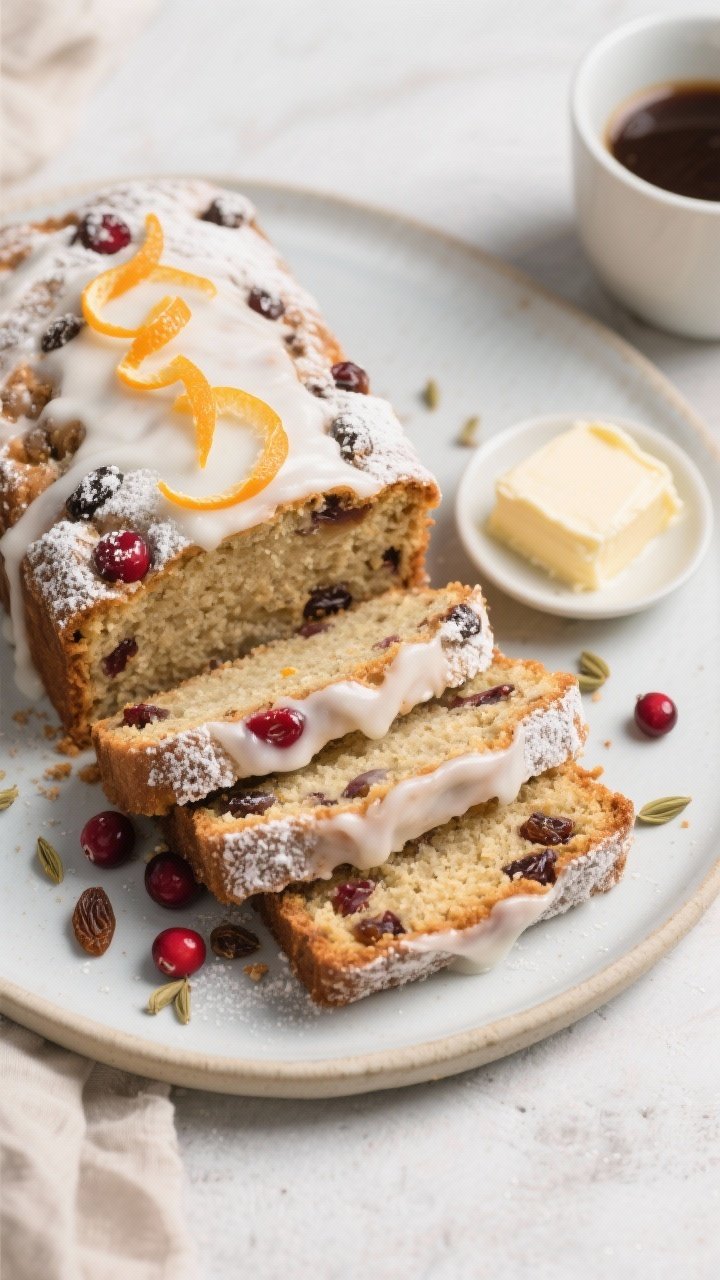
- Cool and finish: Cool on a rack for at least 45 minutes before slicing.If you prefer a glaze, whisk powdered sugar with a splash of milk to a thick drizzle and pour over the cooled loaf.
Storage Instructions
- Room temperature: Wrap well and store for up to 3 days. It’s best the day it’s baked, but toasting brings it back to life.
- Freezing: Wrap the whole loaf or slices in plastic, then foil. Freeze up to 2 months.Thaw at room temperature and warm in a 300°F oven for 10 minutes.
- Make-ahead dough: After the first rise, refrigerate the dough (well covered) for up to 12 hours. Let it sit at room temperature for 30–45 minutes before shaping.
Benefits of This Recipe
- Classic flavor: Cardamom and citrus give a timeless Scandinavian taste without being overly sweet.
- Flexible add-ins: You can swap fruit, adjust sweetness, or change the shape without affecting the outcome.
- Great for gifting: One batch makes a generous loaf that slices beautifully and looks festive.
- Beginner-friendly: The enriched dough is forgiving and easy to handle with clear visual cues.
- Versatile serving: Perfect plain, toasted with butter, or topped with jam or cheese.
Common Mistakes to Avoid
- Overheating the milk: Too-hot milk kills yeast. Aim for warm, not hot.
- Adding too much flour: The dough should be soft and slightly tacky.Heavy dough makes a dense loaf.
- Skipping the fruit soak: Dry fruit can pull moisture from the dough and make it crumbly.
- Underproofing: If the dough hasn’t risen enough, the loaf won’t be light. Look for a near double in volume.
- Cutting too soon: Let the loaf cool so the crumb sets. Slicing hot bread can make it gummy.
Variations You Can Try
- Almond version: Add slivered almonds to the dough and top with almond flakes before baking.
- Spice blend: Combine cardamom with a pinch of cinnamon and nutmeg for a warmer flavor.
- Citrus-forward: Use both orange and lemon zest and skip the vanilla for a bright finish.
- Chocolate twist: Swap half the fruit for dark chocolate chunks for a kid-friendly option.
- Mini loaves: Divide into small loaves or rolls for gifting.Reduce bake time to 18–25 minutes.
- Vegan-friendly: Use plant milk, vegan butter, and a flax egg (1 tbsp ground flax + 3 tbsp water) and check yeast is vegan.
FAQ
Can I use instant yeast instead of active dry yeast?
Yes. Use the same amount and skip the activation step. Mix instant yeast directly with the flour, then add the warm milk mixture and proceed.
What if I don’t have cardamom?
You can use cinnamon with a pinch of nutmeg, but the flavor won’t be as distinctly Scandinavian.
If you find green cardamom pods, grind the seeds fresh for the best aroma.
How do I keep the fruit from sinking?
Pat the fruit very dry and toss it with a tablespoon of flour before kneading it in. Shape the dough tightly so the fruit is evenly suspended.
Can I bake this in a loaf pan?
Absolutely. A standard 9×5-inch pan works well.
The loaf will rise higher and slice neatly, perfect for toasting.
How do I know the bread is done?
Look for a deep golden crust and an internal temperature of 190–195°F. The loaf should sound hollow when tapped on the bottom.
Is julebread the same as panettone or stollen?
No. They’re all festive breads, but julebread is simpler and softer.
Panettone is lighter and taller, while stollen is denser and often has a marzipan center and powdered sugar coating.
What’s the best way to serve leftovers?
Toast slices and spread with butter, jam, or cream cheese. Day-old julebread also makes excellent French toast or bread pudding.
Final Thoughts
Julebread brings a gentle sweetness and cozy spice to the holidays without fuss. It’s approachable for new bakers and rewarding for seasoned ones, with a soft crumb and cheerful specks of fruit in every slice.
Make it for a quiet morning, a festive brunch, or a thoughtful gift. One loaf has a way of bringing people to the table—and that’s the real magic of this bread.