Homemade Sugar Cookies Made Simple
Sugar cookies are the kind of treat that make any day feel a little more fun. They’re simple to mix, easy to shape, and they bake up soft with just the right hint of sweetness. Whether you like them plain with a light sugar sparkle or decorated with royal icing, they always hit the spot.
This recipe focuses on a tender, buttery cookie that holds its shape and tastes just as good as it looks. You’ll get reliable results, even if you’re new to baking.
What Makes This Special
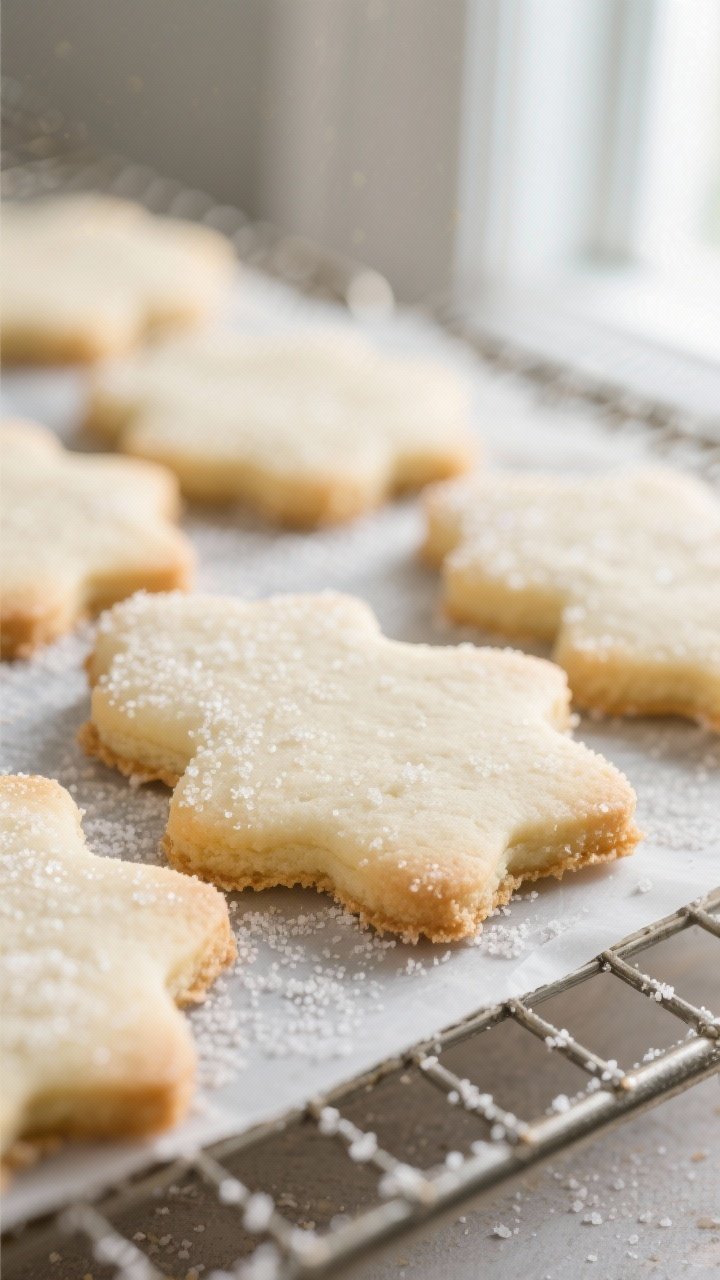
This sugar cookie recipe is designed to be beginner-friendly while still giving bakery-quality results. The dough is soft yet sturdy, so it rolls smoothly and cuts cleanly with minimal spreading.
The flavor leans buttery and vanilla-forward, not overly sweet, so it pairs well with icing or stands on its own. You can bake them soft and thick or a bit thinner for a crisp edge—both work beautifully. It also uses simple pantry ingredients you probably have on hand.
Shopping List
- All-purpose flour – 3 cups (plus a little extra for dusting)
- Unsalted butter – 1 cup (2 sticks), softened
- Granulated sugar – 1 cup
- Large egg – 1
- Vanilla extract – 2 teaspoons
- Baking powder – 1 1/2 teaspoons
- Fine sea salt – 1/2 teaspoon
- Optional: Almond extract – 1/4 teaspoon for a subtle bakery-style flavor
- Optional for topping: Coarse sanding sugar or sprinkles
Instructions

- Prep your tools. Line two baking sheets with parchment paper.
Set your oven to 350°F (175°C). Make sure your butter is soft but not greasy.
- Cream the butter and sugar. In a large bowl, beat butter and sugar together on medium speed for 2–3 minutes until light and fluffy. This step builds structure and helps the cookies hold their shape.
- Add egg and extracts. Beat in the egg, vanilla, and almond extract (if using) until smooth.
Scrape the bowl so everything mixes evenly.
- Whisk dry ingredients. In a separate bowl, whisk flour, baking powder, and salt. This prevents clumps and makes mixing easier.
- Combine wet and dry. Add the dry mixture to the butter mixture in two additions, mixing on low just until a soft dough forms. Avoid overmixing to keep cookies tender.
- Chill the dough. Divide dough into two discs, wrap, and chill for 30–45 minutes.
Chilled dough is easier to roll and spreads less.
- Roll and cut. Lightly flour your surface. Roll one disc to about 1/4 inch thick for soft cookies, or 1/8 inch for crisper edges. Cut shapes with cookie cutters, re-rolling scraps as needed.
- Arrange and top. Place cutouts on prepared sheets, spacing about 2 inches apart.
Sprinkle with sanding sugar if baking them plain.
- Bake. Bake 8–11 minutes, depending on thickness and size. Look for set edges and a pale center. They should not brown much; a light golden edge is fine.
- Cool. Let cookies rest on the sheet for 2 minutes, then transfer to a rack to cool completely.
Decorate once fully cool, if desired.
How to Store
Keep cookies in an airtight container at room temperature for up to 5 days. Add a small piece of bread or a sugar saver disk to maintain softness. If decorated with royal icing, let them dry fully before stacking.
For longer storage, freeze baked cookies (undecorated or decorated) for up to 2 months; separate layers with parchment. You can also freeze the dough discs for 2–3 months—thaw in the fridge overnight before rolling.
Health Benefits
While sugar cookies are a treat, there are still a few smart choices you can make. Using unsalted butter lets you control sodium.
Keeping the sweetness balanced means you don’t need heavy frosting to enjoy them. If you’re sensitive to additives, making cookies at home lets you keep the ingredient list short and clean. For a small boost, pair cookies with milk or fruit for a more satisfying snack.
What Not to Do
- Don’t skip chilling. Warm dough spreads more and loses its clean edges.
- Don’t overmix. Overworking the dough makes tough cookies.
- Don’t overbake. They should look pale.
Browning means a drier, crunchier cookie.
- Don’t roll too thin without adjusting time. Thin cookies bake fast—keep a close eye on them.
- Don’t flour heavily. Too much flour on the board can dry the dough. Light dusting is enough.
Recipe Variations
- Lemon Sugar Cookies: Add 1 teaspoon lemon zest and 1/4 teaspoon lemon extract. Finish with a light lemon glaze.
- Brown Sugar Twist: Swap 1/4 cup granulated sugar for light brown sugar for a slightly deeper flavor and softer texture.
- Vanilla Bean: Add seeds from 1/2 vanilla bean or use vanilla bean paste for a rich, aromatic finish.
- Spiced Sugar Cookies: Mix 1/2 teaspoon ground cinnamon and a pinch of nutmeg into the flour.
Great for fall and winter.
- Gluten-Free: Use a 1:1 gluten-free baking flour blend. Chill longer and handle gently, as the dough can be more fragile.
- Cutout and Ice: Bake plain and decorate with royal icing once cool for a classic holiday cookie.
- Sparkle Edges: Roll dough logs in coarse sugar, then slice and bake for a simple, pretty finish.
FAQ
Why did my cookies spread?
Warm dough, overly soft butter, or too little flour causes spreading. Make sure you chill the dough and measure flour properly.
If your kitchen is warm, pop cutouts in the fridge for 10 minutes before baking.
How do I get clean edges on cutout cookies?
Work with chilled dough, roll evenly, and use sharp cutters. Avoid excess flour and lift cookies with a thin spatula to keep shapes crisp.
Can I make the dough ahead?
Yes. Wrap dough discs tightly and refrigerate up to 48 hours or freeze for a few months.
If chilled longer than an hour, let it sit at room temp for 10–15 minutes before rolling.
What icing works best?
Royal icing is the classic choice for smooth, detailed designs. For something simpler, make a quick glaze with powdered sugar, milk, and vanilla, and dip or drizzle.
How thick should I roll the dough?
For soft, chewy cookies, 1/4 inch is ideal. For a crisp bite, roll to about 1/8 inch and watch the bake time closely.
Can I use salted butter?
You can, but reduce the added salt to a pinch.
Unsalted gives you more control over flavor, especially in delicate cookies like these.
Do I need to sift the flour?
Sifting isn’t necessary if you whisk the dry ingredients well. The key is accurate measuring—fluff the flour, spoon into the cup, and level.
How do I freeze baked cookies without damaging decorations?
Let icing dry completely. Layer cookies between parchment in a rigid container to protect details.
Thaw in the container at room temperature to prevent condensation.
In Conclusion
This sugar cookie recipe gives you soft, buttery cookies that keep their shape and taste amazing. With a few simple steps—like proper creaming and a brief chill—you’ll get consistent, professional-looking results. Keep them plain, add sparkle, or decorate for a special event.
Either way, you’ll have a reliable go-to cookie that always earns compliments.