How to Make Chocolate Babka- A Rich, Swirled Sweet Bread
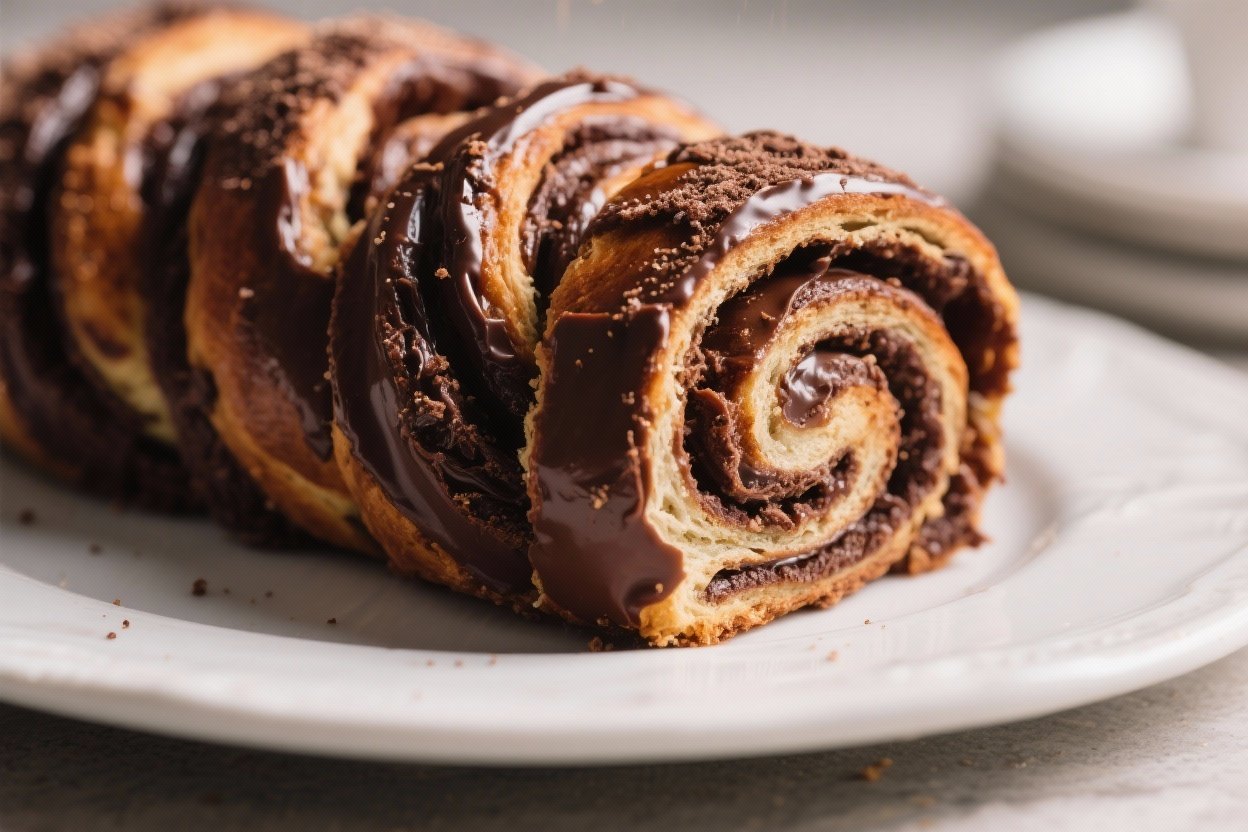
Chocolate babka is the kind of treat that makes a kitchen feel warm and welcoming. It’s a soft, buttery loaf with ribbons of chocolate running through it, glazed until it shines. If you’ve seen it in bakeries and wondered if you could make it at home, the answer is yes.
The process is simple once you understand the steps, and the results are more than worth it. Expect a tender crumb, deep chocolate flavor, and that signature swirl that looks impressive but is easier than it seems.
Why This Recipe Works
This babka uses a rich, enriched dough that bakes up soft and fluffy without being dry. It relies on a slow first rise, which builds flavor and makes the dough easier to handle.
The filling balances cocoa and chocolate with a touch of sugar and butter, so it melts into the dough instead of leaking out. A light syrup brushed over the loaf after baking locks in moisture and gives a glossy finish. The method is straightforward, consistent, and well-suited for home bakers.
What You’ll Need
- All-purpose flour – for a tender, not overly chewy crumb.
- Instant or active dry yeast – to help the dough rise.
- Whole milk – warmed slightly to activate the yeast and enrich the dough.
- Granulated sugar – adds sweetness and helps yeast activity.
- Large eggs – for structure and richness.
- Unsalted butter – softened for the dough; melted for the filling.
- Salt – to balance flavor.
- Vanilla extract – optional but lovely in the dough.
- Dark chocolate – finely chopped, or use good-quality chocolate chips.
- Unsweetened cocoa powder – for a deep chocolate flavor in the filling.
- Brown sugar – for the filling, adds caramel notes.
- Cinnamon – optional, just a pinch to round out the chocolate.
- Salt – a pinch for the filling to sharpen flavor.
- Simple syrup – made from water and sugar for the glossy finish.
- Neutral oil or butter for the pan – to prevent sticking.
- Loaf pan (8.5 x 4.5 or 9 x 5 inches) – standard size works well.
- Rolling pin and sharp knife – for shaping.
- Parchment paper – for easy removal.
How to Make It
- Activate the yeast. Warm the milk until it’s just warm to the touch (not hot).
Stir in 1 teaspoon sugar and the yeast. Let it sit for 5–10 minutes until foamy. If it doesn’t foam, start over with fresh yeast.
- Make the dough. In a large bowl, whisk flour, remaining sugar, and salt.
Add the yeast mixture, eggs, and vanilla. Mix until a shaggy dough forms. Knead by hand or use a mixer with a dough hook for 8–10 minutes, adding the softened butter a bit at a time until fully incorporated.
The dough should be smooth and slightly sticky but pull away from the bowl.
- First rise. Place the dough in a lightly greased bowl, cover, and let it rise in a warm spot until doubled, about 1–1.5 hours. For best flavor and easier handling, you can chill it after the first rise for 30–60 minutes.
- Make the filling. Melt butter and stir in cocoa powder, brown sugar, and a pinch of salt until smooth. Fold in the chopped chocolate.
Let it thicken slightly so it’s spreadable, not runny.
- Prepare the pan. Line your loaf pan with parchment, leaving overhang for easy lifting. Lightly grease the sides and parchment.
- Roll out the dough. On a lightly floured surface, roll the dough into a rectangle about 12 x 16 inches. Aim for even thickness to help the swirl bake uniformly.
- Spread the filling. Spread the chocolate mixture evenly over the dough, leaving a small border on all sides.
If you like, sprinkle a pinch of cinnamon or a few chopped nuts.
- Roll and chill briefly. Starting from a long edge, roll the dough into a tight log. Pinch the seam to seal. Place the log on a tray and chill for 10–15 minutes; this firms the filling and makes cutting cleaner.
- Cut and twist. Using a sharp knife, slice the log lengthwise to expose the layers.
With the cut sides facing up, twist the two strands together, crossing them a few times. Gently tuck the ends under.
- Pan and proof. Lift the twisted dough into the prepared pan. Cover loosely and let it rise until puffy, 45–75 minutes, depending on room temperature.
It won’t double, but it should look lighter and fill the pan more fully.
- Bake. Preheat the oven to 350°F (175°C). Bake for 35–45 minutes, until the top is deep golden and a skewer inserted into the center comes out with some melted chocolate but no raw dough. If the top browns too fast, tent with foil.
- Make the syrup. While it bakes, simmer equal parts water and sugar (about 1/4 cup each) until dissolved.
Set aside.
- Glaze. Brush the hot loaf with the warm syrup right after it comes out of the oven. Use most or all of it; the loaf will soak it up and stay moist.
- Cool and slice. Let the babka cool in the pan for 15–20 minutes, then lift it out to a rack to cool completely before slicing. This helps set the crumb and keeps the layers from smearing.
How to Store
- Room temperature: Keep the babka wrapped or in an airtight container for 2–3 days.
The syrup helps it stay soft.
- Freezer: Slice and wrap pieces individually, then freeze for up to 2 months. Reheat in a low oven or toaster oven until warm.
- Reheating: Warm slices at 300°F (150°C) for 5–8 minutes to refresh the crumb and bring out the chocolate aroma.
Health Benefits
- Energy and satisfaction: The combination of carbohydrates and fat makes babka filling, which can help prevent overeating later.
- Dark chocolate perks: Dark chocolate contains antioxidants and may offer small benefits for mood and heart health.
- Portion awareness: A moderate slice can fit into a balanced diet, especially when paired with fruit or a protein-rich breakfast.
Chocolate babka is still an indulgence, so enjoy it mindfully. If you prefer lighter options, see the Alternatives section for ideas.
Pitfalls to Watch Out For
- Dough too sticky: Slightly tacky is good, but if it clings excessively, dust your surface lightly with flour.
Avoid adding too much flour to the dough, which can make it dense.
- Filling leaking out: Don’t overfill and make sure to chill the rolled log before slicing. Seal the seam well.
- Underbaking: The loaf is rich and can appear done before the center is cooked. Aim for a deep golden top and check with a skewer.
Internal temp should reach about 195–200°F (90–93°C) if you use a thermometer.
- Overproofing: If the dough rises too long, it may collapse or tunnel. Look for puffy and slightly springy, not doubled.
- Skipping the syrup: This step adds moisture and shine. It’s quick and makes a difference.
Alternatives
- Nutella or chocolate-hazelnut spread: For a shortcut filling, spread it directly onto the rolled dough.
It’s easy and delicious.
- Cinnamon sugar babka: Swap chocolate for a mix of brown sugar, cinnamon, and softened butter. Add raisins or toasted pecans if you like.
- Tahini-chocolate swirl: Mix tahini with melted chocolate and a little sugar for a nutty twist.
- Vegan version: Use plant milk, dairy-free butter, and vegan chocolate. The method stays the same.
- Mini babkas: Divide the dough and bake in mini loaf pans or a muffin tin for individual portions.
Reduce bake time accordingly.
- Less sweet: Reduce sugar in both dough and filling slightly, and use very dark chocolate (70–80%) for a more grown-up flavor.
FAQ
Can I make the dough ahead?
Yes. After the first rise, cover and refrigerate the dough for up to 24 hours. Cold dough is easier to roll and shape, and the flavor improves.
What if I only have active dry yeast?
Active dry yeast works fine.
Bloom it in warm milk with a little sugar until foamy before adding to the flour. Instant yeast can be mixed directly in, but both yield similar results.
How do I get a more pronounced swirl?
Roll the dough into a long rectangle and keep the filling even and thin. Chill the log before slicing, and make clean cuts with a sharp knife.
Twist gently but firmly, keeping the cut sides facing up.
Why is my babka dry?
It likely baked a bit too long or had too much flour added. Use the syrup glaze, watch for visual cues of doneness, and aim for a slightly tacky dough during mixing.
Can I add nuts or fruit?
Absolutely. Toasted hazelnuts, walnuts, or pecans are great.
Dried cherries or orange zest can also complement the chocolate without overwhelming it.
Do I need a stand mixer?
No. A mixer makes kneading easier, but hand-kneading works. It may take a few extra minutes to get the dough smooth and elastic.
How do I prevent the layers from separating?
Don’t over-flour the rolling surface, and press gently as you roll to remove air pockets.
Make sure the dough proofs properly so the layers can expand together.
Can I skip the syrup?
You can, but the syrup adds moisture and shine. If you prefer less sweetness, brush on a lighter layer or use a simple syrup made with a bit less sugar.
Wrapping Up
Chocolate babka looks fancy, but it’s friendly once you learn the rhythm: mix, rise, fill, twist, bake, glaze. The payoff is a loaf that feels special any day of the week.
Serve it warm with coffee, save slices in the freezer for later, and customize the filling to your taste. With this method, you’ll have a dependable, bakery-worthy babka you can make again and again.