How to Make Crispy Pork Belly Lechon Kawali at Home
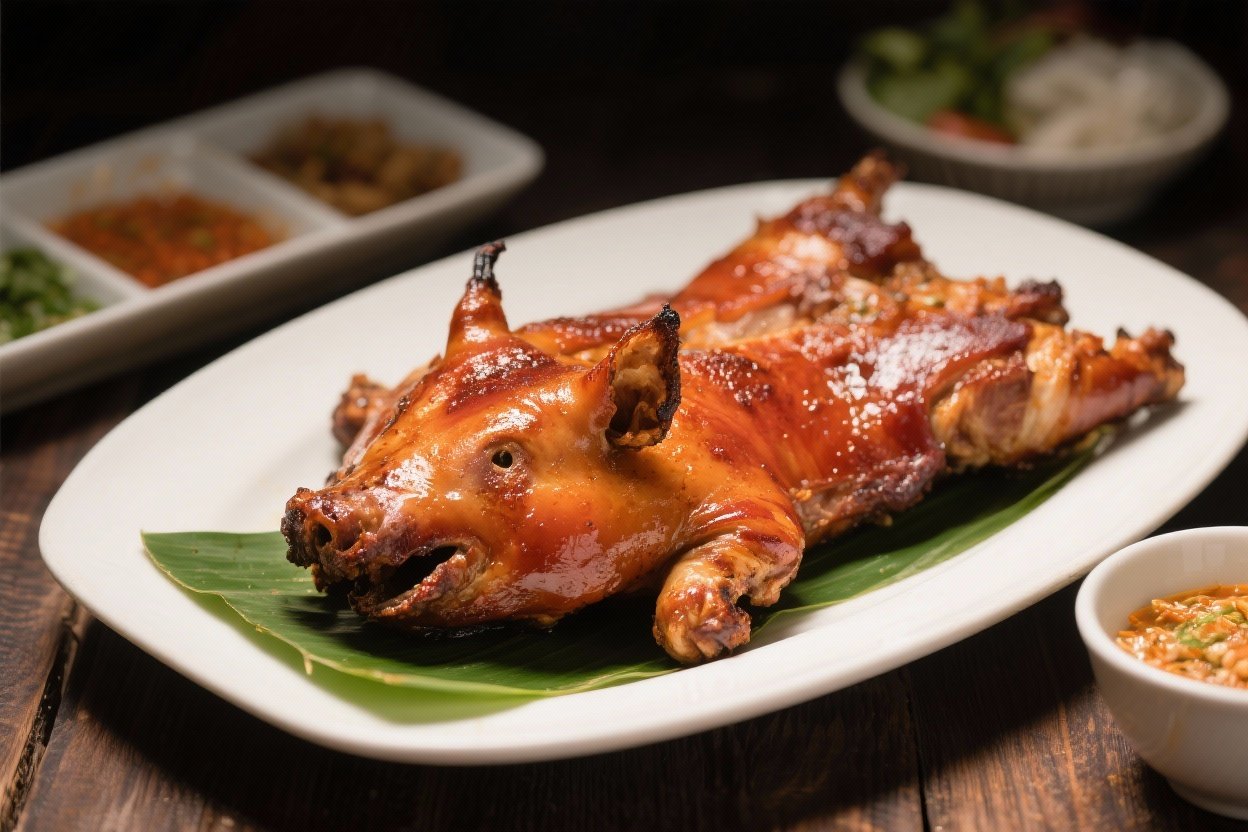
Lechon kawali is the kind of dish that makes people crowd around the kitchen, listening for that first crackle. It’s pork belly boiled until tender, then fried until the skin shatters at the touch of a fork. The contrast is the whole point: juicy meat, rich fat, and glassy, blistered skin.
You don’t need special equipment or fancy ingredients—just patience, heat, and a few smart tricks. Serve it with dipping sauces and rice, and watch it disappear.
What Makes This Special

Lechon kawali is a home-cooked answer to whole roasted lechon, delivering that signature crunch without a spit or coals. The technique—simmer, dry, and fry—creates layers of texture you won’t get with a single-step method.
It’s also surprisingly flexible. You can season it simply with salt and pepper or add aromatics like bay leaves and garlic for deeper flavor. Most importantly, it’s designed for sharing, so it fits right into family-style meals and weekend gatherings.
Ingredients
- 2 to 2.5 pounds (900 g to 1.1 kg) pork belly, skin on
- 1 tablespoon salt (plus more for seasoning)
- 1 teaspoon black peppercorns
- 5–6 cloves garlic, smashed
- 1 medium onion, quartered
- 3–4 bay leaves
- 1 tablespoon vinegar or lemon juice (optional, helps cut richness)
- Water, enough to cover the pork
- Neutral oil for frying (canola, corn, or peanut oil)
- Optional seasonings: fish sauce, soy sauce, ground pepper, five-spice powder
- Dipping sauces: spiced vinegar, lechon sauce (liver sauce), or soy sauce with calamansi/lemon
Step-by-Step Instructions
- Prep the pork belly. Rinse the pork belly and pat it dry.
If it’s very thick, score the meat side lightly with a knife. Keep the skin intact.
- Simmer with aromatics. Place pork in a pot. Add salt, peppercorns, garlic, onion, bay leaves, and enough water to cover.
Add vinegar or lemon juice if using. Bring to a gentle boil, then reduce to a simmer.
- Cook until tender. Simmer for 45–60 minutes, or until the meat is tender but not falling apart. A fork should go in without resistance.
Skim any scum from the surface as it cooks.
- Dry thoroughly. Remove the pork and place on a rack or plate lined with paper towels. Pat the skin very dry. Let it cool, then chill it uncovered in the fridge for at least 2 hours or up to overnight. Dry skin is the secret to blistering and crackle.
- Season before frying. Once chilled and dry, rub the meat side with a little salt and pepper.
Keep the skin free of moisture or wet seasonings.
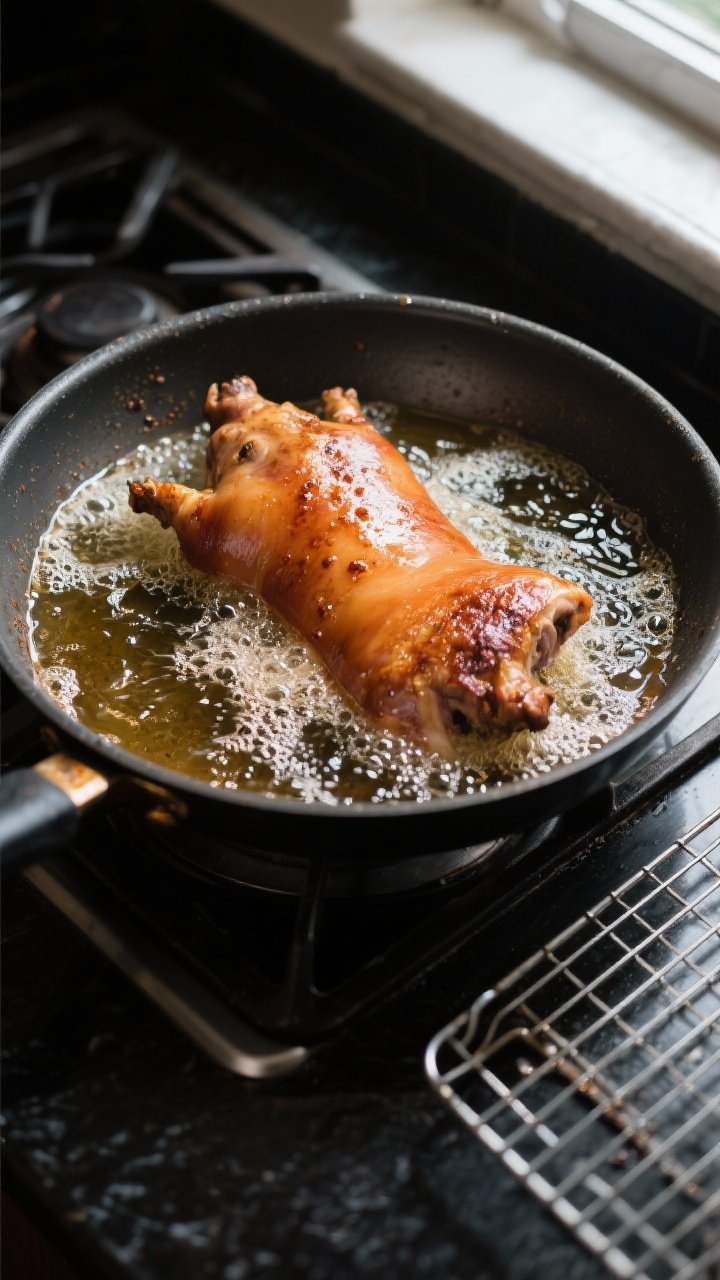
- Choose your frying method. You can do a deep fry in a pot or a shallow fry in a skillet. Either way, use enough oil to come at least halfway up the sides of the pork. Heat oil to 350–375°F (175–190°C).
- First fry: render and crisp. Carefully lower the pork belly, skin side down. Fry for 8–12 minutes, adjusting heat to maintain temperature.
Expect popping; use a splatter guard and keep your distance.
- Rest and cool. Remove and let it rest on a rack for 10–15 minutes. This helps the skin firm up and prevents sogginess.
- Second fry: the crackle. Return to hot oil for 3–5 more minutes, skin side down, until the surface is deeply golden and blistered. This double-fry gives the signature crunch.
- Drain, slice, and serve. Rest for 5 minutes, then slice into bite-size pieces. Serve immediately with sauces and hot rice.
Keeping It Fresh
Lechon kawali is best eaten right after frying, when the skin sings.
If you need to cook ahead, boil and chill the pork in advance, but fry just before serving. Leftover fried pieces can be cooled completely, stored in an airtight container, and refrigerated for up to 3 days. To re-crisp, reheat in a 400°F (200°C) oven or air fryer for 8–12 minutes.
Avoid microwaving—it softens the skin.

Benefits of This Recipe
- Big payoff, simple steps. Simmer, dry, fry: a straightforward method with restaurant-level results.
- Flexible flavor. Adjust aromatics and dipping sauces to suit your taste or what’s in your pantry.
- Make-ahead friendly. The simmer-and-chill step can be done a day ahead for easy entertaining.
- Versatile serving. Works as a main dish, party platter, or crunchy topping for noodles and rice bowls.
Pitfalls to Watch Out For
- Wet skin equals soft crackling. Moisture is the enemy. Dry the skin thoroughly and chill uncovered.
- Oil too hot or too cool. Too hot burns the skin before the inside heats; too cool leads to greasy pork. Keep it at 350–375°F (175–190°C).
- Skipping the rest. Resting between fries lets fat settle and skin crisp up.
Don’t rush the process.
- Crowding the pan. Crowding drops oil temperature and prevents crisping. Fry in batches if needed.
- Under-seasoning the meat side. The skin delivers crunch, but the meat needs salt for full flavor.
Recipe Variations
- Air Fryer Lechon Kawali. After boiling and drying, rub a thin layer of oil on the skin. Air fry at 375°F (190°C) for 25–40 minutes, flipping halfway, until blistered.
Times vary by thickness and air fryer strength.
- Oven Method. After boiling and drying, roast on a rack at 425°F (220°C) for 40–60 minutes, then broil the skin briefly to blister. Watch closely to avoid burning.
- Five-Spice Twist. Add a teaspoon of Chinese five-spice to the meat side before frying for a warm, aromatic note.
- Crispy Bites. Cut the boiled belly into cubes, dry well, and deep-fry for extra surface area and crunch.
- Spiced Vinegar Dip. Mix cane vinegar with garlic, chilies, cracked pepper, and a pinch of salt. Bright acidity balances the richness.
- Garlic Rice Pairing. Serve with sinangag (garlic fried rice) and a fresh tomato-onion salad to cut through the fat.
FAQ
Can I use a different cut of pork?
Pork belly is ideal because of its fat-to-meat ratio and skin.
If needed, you can use pork shoulder with skin on, but it won’t crisp or render quite the same. The texture will be meatier and less rich.
Why does the oil splatter so much?
Moisture trapped under the skin turns to steam and pops. Dry the pork as much as possible, chill it uncovered, and lower it into the oil slowly.
A splatter guard and long tongs are your friends.
Do I have to double-fry?
No, but the double-fry gives a more consistent crackle. If you’re short on time, a single fry will still work—just extend the cook slightly and monitor the color carefully.
How do I know the pork is cooked through?
After simmering, the pork should be fully cooked and tender. The frying stage is for texture and color.
If you’re unsure, the internal temperature after frying should be at least 145°F (63°C).
What sauces go best with lechon kawali?
Spiced vinegar is classic for brightness and heat. Lechon sauce (a savory-sweet liver sauce) is traditional, and soy sauce with calamansi or lemon is a great everyday option. Try a chili-lime dip for a lighter twist.
Can I make it less oily?
Use the air fryer or oven variation, and serve with crisp greens or a tangy salad.
You’ll still get crunch with less oil while keeping that familiar flavor.
How do I keep the skin from getting chewy after cooking?
Let the pork rest on a rack, not a plate, so steam can escape. Avoid covering it while hot. If it softens, re-crisp in a hot oven or air fryer for a few minutes.
Is salting the skin before frying okay?
Yes—lightly.
Too much salt can draw out moisture right before frying and cause extra splatter. Season the meat side generously and keep the skin dry.
Wrapping Up
Filipino-style lechon kawali is all about contrast—tender pork, rich fat, and a crackling skin that steals the show. With a simple simmer, a proper dry, and a confident fry, you’ll get that signature crunch at home.
Pair it with bright sauces, plenty of rice, and good company. Once you hear that first crunch, you’ll know you nailed it.