The Ultimate Guide to Cooking Honey Garlic Chicken Bowls
If you love takeout-style flavors but want something fresher and lighter, these Honey Garlic Chicken Bowls are the perfect fit. Tender chicken, a glossy honey-garlic sauce, and plenty of veggies come together over fluffy rice for a balanced, satisfying meal. The sauce is sticky, savory, and just sweet enough.
It’s the kind of dinner that feels comforting but never heavy. Best of all, it’s quick to make and easy to customize with what you have on hand.
Why This Recipe Works
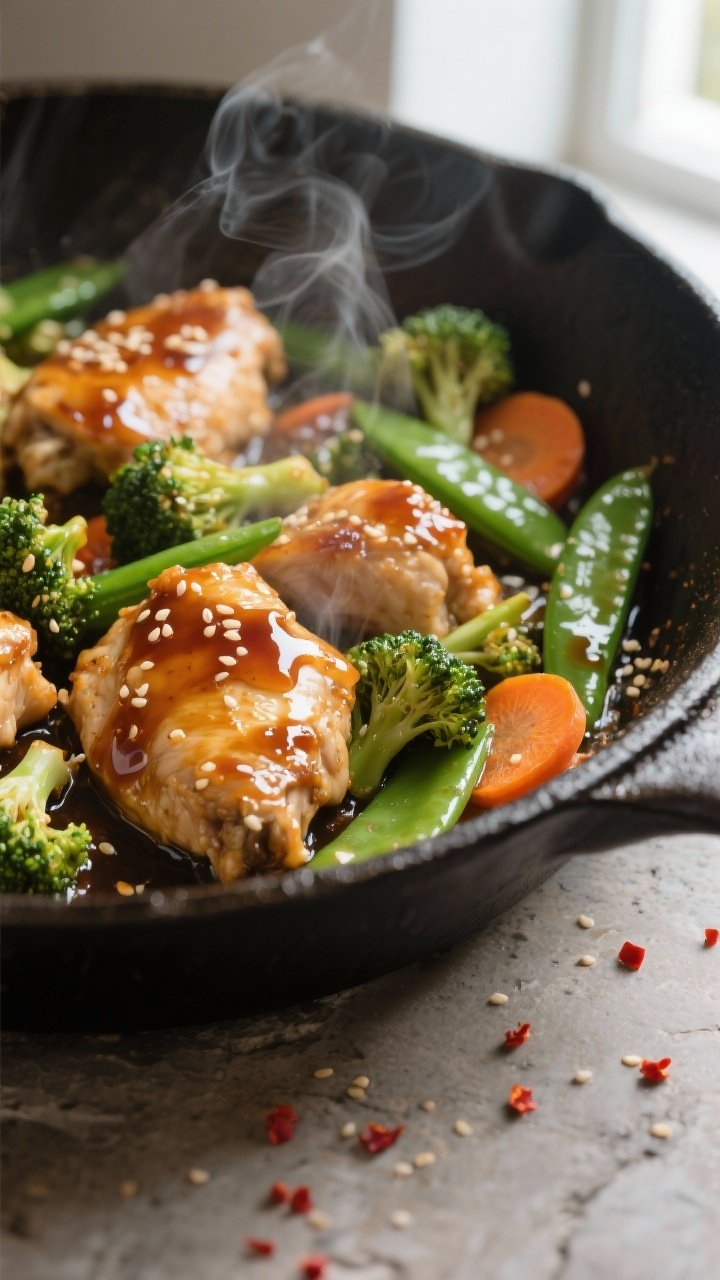
- Balanced flavors: Honey brings sweetness, soy sauce adds umami, garlic and ginger give warmth, and a splash of rice vinegar brightens everything.
- Quick stovetop method: Small pieces of chicken cook fast, and the cornstarch slurry thickens the sauce in minutes.
- Flexible base: Use any cooked grain—rice, quinoa, or cauliflower rice. Swap veggies based on season or taste.
- Meal-prep friendly: The components store well, and the sauce reheats without getting gummy when loosened with a little water.
- Kid-friendly taste: Sweet and savory tones win over picky eaters while still tasting complex enough for adults.
What You’ll Need
- Chicken: 1.5 pounds boneless, skinless chicken thighs (or breasts), cut into bite-size pieces
- Oil: 1–2 tablespoons neutral oil (avocado, canola, or light olive)
- Garlic: 4 cloves, minced
- Ginger: 1 tablespoon fresh, grated (or 1 teaspoon ground in a pinch)
- Honey: 1/3 cup
- Soy sauce: 1/3 cup low-sodium
- Rice vinegar: 1 tablespoon (or apple cider vinegar)
- Sesame oil: 1–2 teaspoons, to finish
- Cornstarch: 1 tablespoon mixed with 2 tablespoons water
- Red pepper flakes or chili-garlic sauce: Optional, to taste
- Vegetables: 3–4 cups total.
Good options include broccoli florets, snap peas, carrots (thinly sliced), bell peppers, or baby bok choy.
- Cooked rice or grain: 4 cups cooked jasmine or brown rice (or quinoa, cauliflower rice)
- Green onions and sesame seeds: For garnish
- Salt and pepper: To season the chicken
- Lime or lemon wedges: Optional for serving
How to Make It
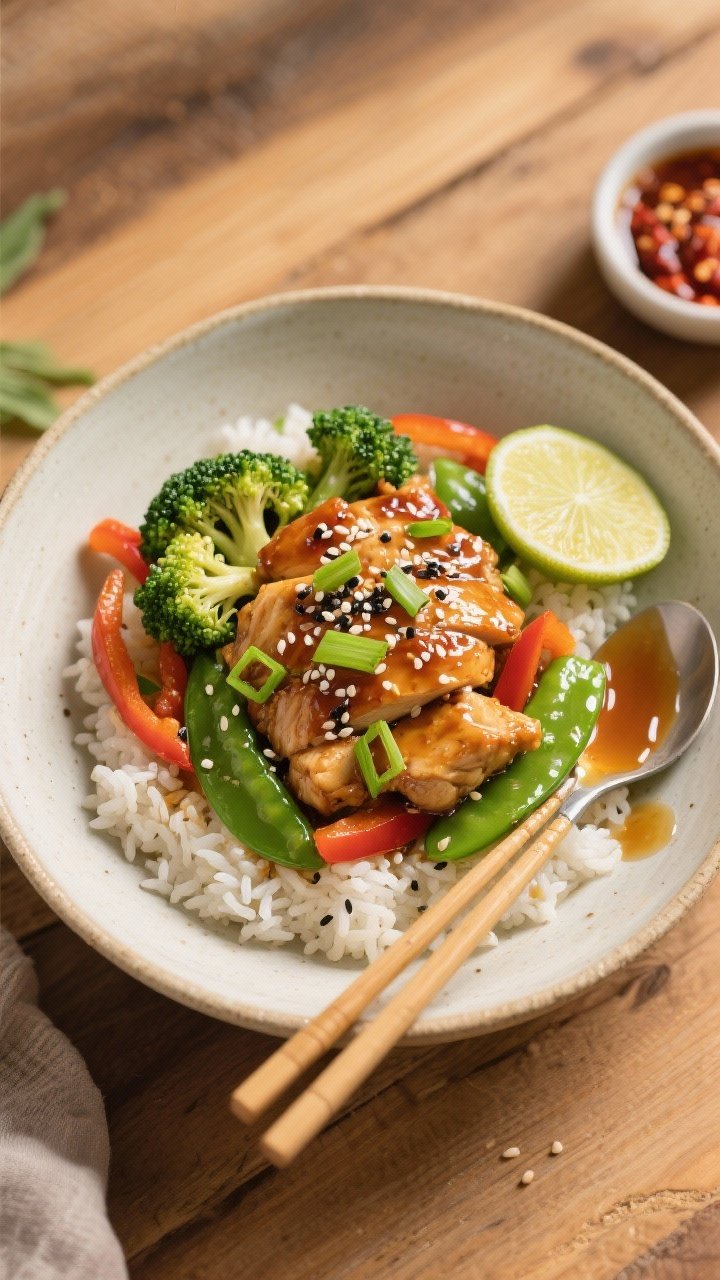
- Cook your base: Make rice or your chosen grain first so it’s ready when the chicken is done. Keep warm.
- Prep the chicken: Pat the chicken dry, then season lightly with salt and pepper. Cut into bite-size pieces for faster, more even cooking.
- Mix the sauce: In a small bowl, whisk honey, soy sauce, rice vinegar, and a pinch of red pepper flakes if using.
Set aside.
- Stir together the slurry: In another small bowl, mix cornstarch and water until smooth. This will thicken the sauce quickly.
- Sear the chicken: Heat oil in a large skillet over medium-high. Add the chicken in a single layer and cook 5–7 minutes, stirring occasionally, until golden and cooked through.
Transfer to a plate.
- Sauté aromatics: In the same pan, add a touch more oil if needed. Lower heat to medium. Add garlic and ginger and cook 30–60 seconds until fragrant.
Don’t let them burn.
- Add vegetables: Toss in your chosen veggies. Stir-fry 3–5 minutes until crisp-tender. If using harder veggies like carrots, slice thin or start them first.
- Combine and sauce: Return chicken to the pan.
Pour in the honey-soy mixture. Stir to coat and bring to a gentle simmer.
- Thicken: Give the cornstarch slurry a quick stir, then pour it into the pan. Cook 1–2 minutes, stirring, until the sauce turns glossy and clings to the chicken and veggies.
- Finish: Turn off the heat.
Stir in sesame oil for a nutty finish. Taste and adjust with more soy for salt, honey for sweetness, or vinegar for brightness.
- Assemble bowls: Spoon rice into bowls. Top with the honey garlic chicken and vegetables.
Garnish with sliced green onions, sesame seeds, and a squeeze of lime if you like.
Storage Instructions
- Refrigerate: Store chicken and rice in airtight containers up to 4 days. Keep garnishes separate.
- Reheat: Microwave in 30–45 second bursts, stirring between, until hot. Add a splash of water to loosen the sauce.
- Freeze: Freeze in portions for up to 2 months.
Thaw overnight in the fridge and reheat gently with a bit of water or broth.
- Make-ahead tips: Cook the rice, chop the vegetables, and whisk the sauce up to 2 days in advance. Store separately for best texture.
Why This is Good for You
- Protein-rich: Chicken provides lean protein to keep you full and support muscle repair.
- Veggie-forward: Colorful vegetables offer fiber, vitamins, and antioxidants without extra heaviness.
- Controlled sweetness: Honey adds flavor and body, so you don’t need a lot of added sugars.
- Whole-grain option: Pairing with brown rice or quinoa boosts fiber and minerals for steady energy.
- Lower sodium potential: Using low-sodium soy sauce and seasoning to taste keeps salt in check.
Common Mistakes to Avoid
- Overcrowding the pan: Crowded chicken steams instead of browns. Cook in batches if your skillet is small.
- Burning the garlic and ginger: Keep the heat moderate and stir.
Burnt aromatics taste bitter and can overpower the sauce.
- Adding slurry too early: Thicken only after the sauce is simmering. Otherwise, it won’t set properly.
- Overcooking vegetables: Aim for crisp-tender. They should stay bright and slightly crunchy.
- Skipping the seasoning check: Taste at the end and adjust.
A tiny splash of soy, vinegar, or honey can balance everything.
Alternatives
- Protein swaps: Try shrimp (cook quickly and remove before saucing), tofu (press and pan-fry until crisp), or thinly sliced beef or pork.
- Gluten-free: Use tamari or coconut aminos in place of soy sauce and check labels on vinegar and cornstarch.
- Low-carb: Serve over cauliflower rice or zucchini noodles and load up on non-starchy veggies.
- Spicy version: Add 1–2 teaspoons chili-garlic sauce, sriracha, or extra red pepper flakes to the sauce.
- Citrus twist: Stir in 1–2 teaspoons orange or lemon zest at the end for a bright, fresh note.
- Vegetable variations: Use what you have—edamame, mushrooms, green beans, or shredded cabbage all work well.
FAQ
Can I use frozen chicken?
Yes, but thaw it fully in the fridge first and pat dry. Excess moisture prevents browning and can dilute the sauce.
What if I don’t have rice vinegar?
Use apple cider vinegar or a squeeze of lemon or lime. Start with a little and adjust to taste.
How do I keep the sauce from getting too thick?
Use a light hand with the cornstarch slurry and add it gradually.
If it thickens too much, stir in a splash of water or broth to loosen.
Can I make this without cornstarch?
Yes. Simmer the sauce a bit longer to reduce, or use arrowroot starch. If using arrowroot, add it off the heat to avoid a gummy texture.
What’s the best cut of chicken for this?
Thighs are forgiving and stay juicy.
Breasts work too; just don’t overcook and keep the pieces small.
How do I make it less sweet?
Reduce the honey to 1/4 cup and add extra vinegar or a squeeze of citrus to balance the flavors.
Can I meal prep these bowls?
Absolutely. Portion rice, chicken, and veggies into containers. Add garnishes fresh and reheat with a bit of water to refresh the sauce.
Is sesame oil necessary?
It’s optional but recommended.
A small drizzle at the end adds depth and a toasty aroma.
How can I add more veggies?
Double the vegetables and keep the sauce amounts the same. The dish will be lighter and still full of flavor.
What grain pairs best?
Jasmine rice is classic, but brown rice, quinoa, or even barley all work well and add different textures and nutrients.
In Conclusion
Honey Garlic Chicken Bowls are simple, adaptable, and full of flavor. They’re perfect for a quick weeknight dinner and sturdy enough for meal prep.
With a handful of pantry staples and fresh vegetables, you’ll have a wholesome bowl that tastes like your favorite takeout—only lighter and brighter. Keep this one in your rotation and tweak it to fit your mood and what’s in your fridge. It’s an easy win every time.