The Ultimate Guide to Yorkshire Pudding – Light, Crispy, and Golden
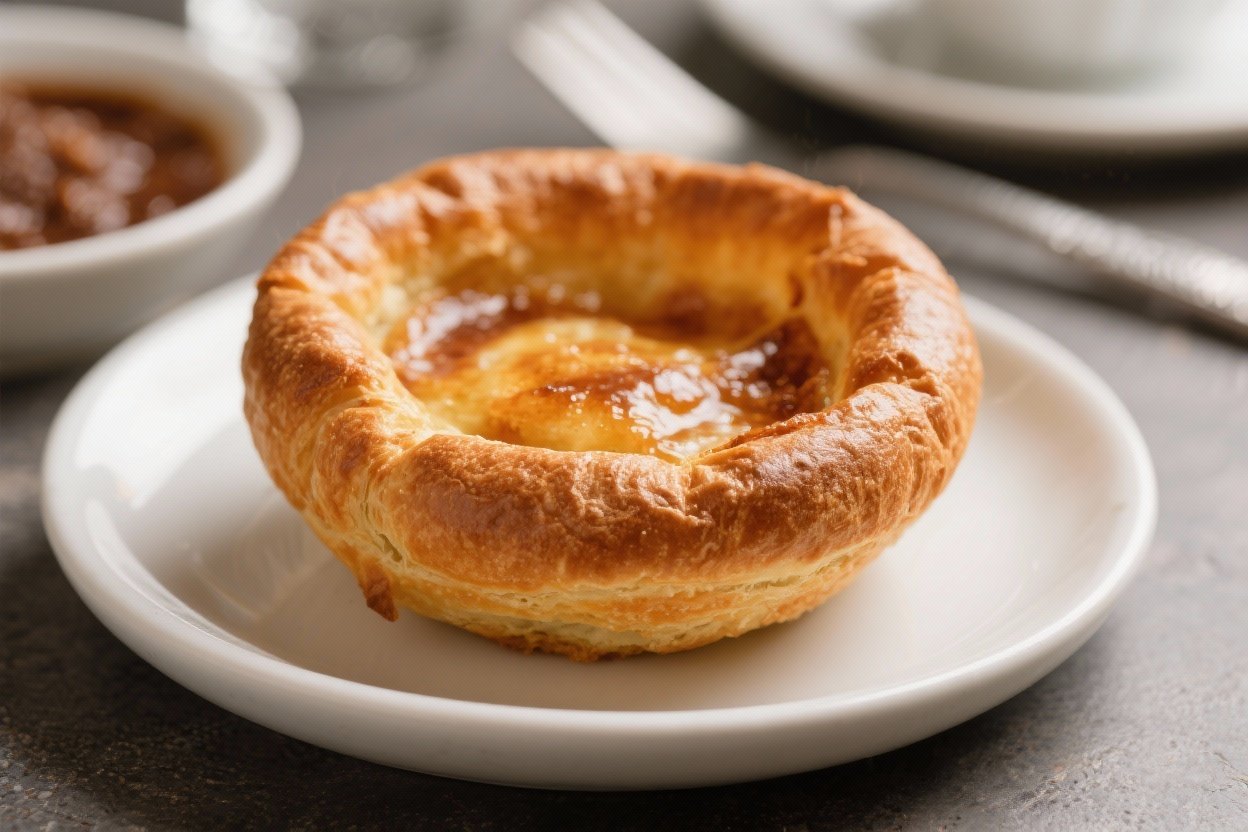
Yorkshire pudding is one of those simple recipes that feels a bit magical. With just a few pantry basics, you get tall, hollow, crisp-edged puddings perfect for soaking up gravy. They’re a classic partner to roast beef, but they’re also great with chicken, sausages, or even a savory breakfast.
If you’ve ever had a flat, doughy batch, don’t worry—this guide covers everything you need to get them puffed and golden, every time.
What Makes This Special
Yorkshire pudding has a short ingredient list, but the technique is what sets it apart. The key is very hot fat and a properly rested batter, which creates steam and lift. You’ll get crisp shells on the outside and a tender, custardy center inside.
It’s also versatile.
Serve it in a muffin tin for individual puddings, or bake one big showstopper in a roasting pan. You can keep it traditional with beef drippings or use neutral oil and make it vegetarian-friendly.
What You’ll Need
- 1 cup (130 g) all-purpose flour
- 1 cup (240 ml) whole milk (room temperature)
- 3 large eggs (room temperature)
- 1/2 teaspoon fine salt
- 3–4 tablespoons beef drippings, duck fat, or neutral high-heat oil (such as canola or sunflower)
- Optional: freshly ground black pepper or a pinch of thyme
Step-by-Step Instructions
- Make the batter. In a bowl, whisk eggs and milk until smooth. Add flour and salt, then whisk until just combined.
A few small lumps are fine—don’t overmix.
- Rest the batter. Cover and let it sit for 30–60 minutes at room temperature, or up to 24 hours in the fridge. Resting helps the flour hydrate and improves rise.
- Preheat the oven to 450°F (230°C). Place a 12-cup muffin tin (or a metal roasting pan for one large pudding) on the middle rack to heat up.
- Add the fat. Once the oven is hot, carefully remove the pan and add about 1 teaspoon of fat per muffin cup (or 2–3 tablespoons for a large pan). Return the pan to the oven to heat until the fat is shimmering and almost smoking, about 5–7 minutes.
- Whisk and pour. Give the batter a quick whisk.
Working quickly, remove the hot pan and pour the batter in—fill each muffin cup about half to two-thirds full. You should hear a sizzle.
- Bake without opening the oven. Bake muffin-sized puddings for 18–22 minutes until puffed and deep golden. For a large pudding, bake 25–30 minutes.
Don’t open the door early, or they may collapse.
- Serve immediately. Transfer to a wire rack for a minute to keep the bottoms crisp, then serve hot with gravy and your roast.
Storage Instructions
- Short-term: Keep leftovers in an airtight container at room temperature for up to 6 hours, or refrigerate up to 3 days.
- Reheating: Re-crisp in a 400°F (200°C) oven for 5–8 minutes. Avoid microwaving—it softens them.
- Freezing: Freeze in a single layer, then stash in a freezer bag for up to 2 months. Reheat from frozen at 400°F (200°C) for 8–10 minutes.
- Make-ahead batter: Batter can be refrigerated up to 24 hours.
Bring to room temperature and whisk before baking.
Health Benefits
Yorkshire pudding is simple and portion-controlled when baked in a muffin tin. Each serving offers protein from eggs and some calcium from milk. Using a measured amount of fat keeps overall calories reasonable.
To make them lighter, use 1% or 2% milk instead of whole milk and a neutral oil instead of drippings.
Pair them with a lean roast, plenty of vegetables, and a lighter gravy for a balanced meal.
Pitfalls to Watch Out For
- Cold batter, cold pan: If either is cold, the puddings won’t rise well. Rest the batter and preheat the pan and fat thoroughly.
- Opening the oven door: This drops the temperature and can deflate them. Resist peeking until the final minutes.
- Too much batter per cup: Overfilling leads to heavy centers.
Aim for half to two-thirds full.
- Underbaking: Pale bottoms mean soggy texture. Bake until the edges are deep golden and crisp.
- Overmixing: Tough puddings often come from overworked batter. Mix just until combined.
Alternatives
- Fat swaps: Traditional beef drippings give the best flavor, but duck fat, goose fat, or canola oil work well.
- Dairy-free: Use unsweetened soy or almond milk and a neutral oil.
Texture stays close to classic.
- Gluten-free: Use a cup-for-cup gluten-free flour blend. Let the batter rest at least 1 hour to hydrate.
- Herb and pepper: Add a pinch of thyme, rosemary, or black pepper to the batter for a savory twist.
- Toad in the hole: Pour batter into a hot, oiled roasting pan and nestle in browned sausages. Bake until puffed and golden.
FAQ
Can I make the batter in advance?
Yes.
You can keep the batter in the fridge for up to 24 hours. Bring it to room temperature and whisk before baking to wake it up.
Why didn’t my Yorkshire puddings rise?
Usually the fat or pan wasn’t hot enough, the oven door was opened early, or the batter was too cold. Make sure the fat is shimmering, the oven is fully preheated, and the batter has rested.
Do I need a special tin?
No.
A standard muffin tin works great. For a dramatic look, use a popover pan, or make one large pudding in a metal roasting pan.
Can I use olive oil?
Use a neutral, high-heat oil like canola or sunflower. Olive oil can smoke or add unwanted flavor at high temperatures.
How do I keep them from sticking?
Preheat the fat until very hot and avoid nonstick spray.
The hot fat acts like a natural release. Run a thin knife around the edges if needed.
What should I serve with Yorkshire pudding?
They’re classic with roast beef and gravy, but also excellent with roast chicken, sausages, or mushroom gravy. Leftovers are great with jam at breakfast.
Can I reduce the eggs?
Eggs provide structure and lift.
Reducing them can lead to flatter, denser puddings. If you must, try two eggs and slightly less milk, but results will vary.
How do I make them extra crisp?
Ensure the fat is almost smoking, don’t overfill the cups, and let them bake until deeply golden. Cool briefly on a rack before serving.
Wrapping Up
Yorkshire pudding rewards a little patience with big results: tall, crisp, and irresistibly golden.
Keep the batter simple, the fat hot, and the oven door shut. Whether you serve them with a Sunday roast or make a pan for a weeknight treat, they’ll steal the show and soak up every drop of gravy.