Your Complete Guide to Baking Classic Fruitcake from Scratch
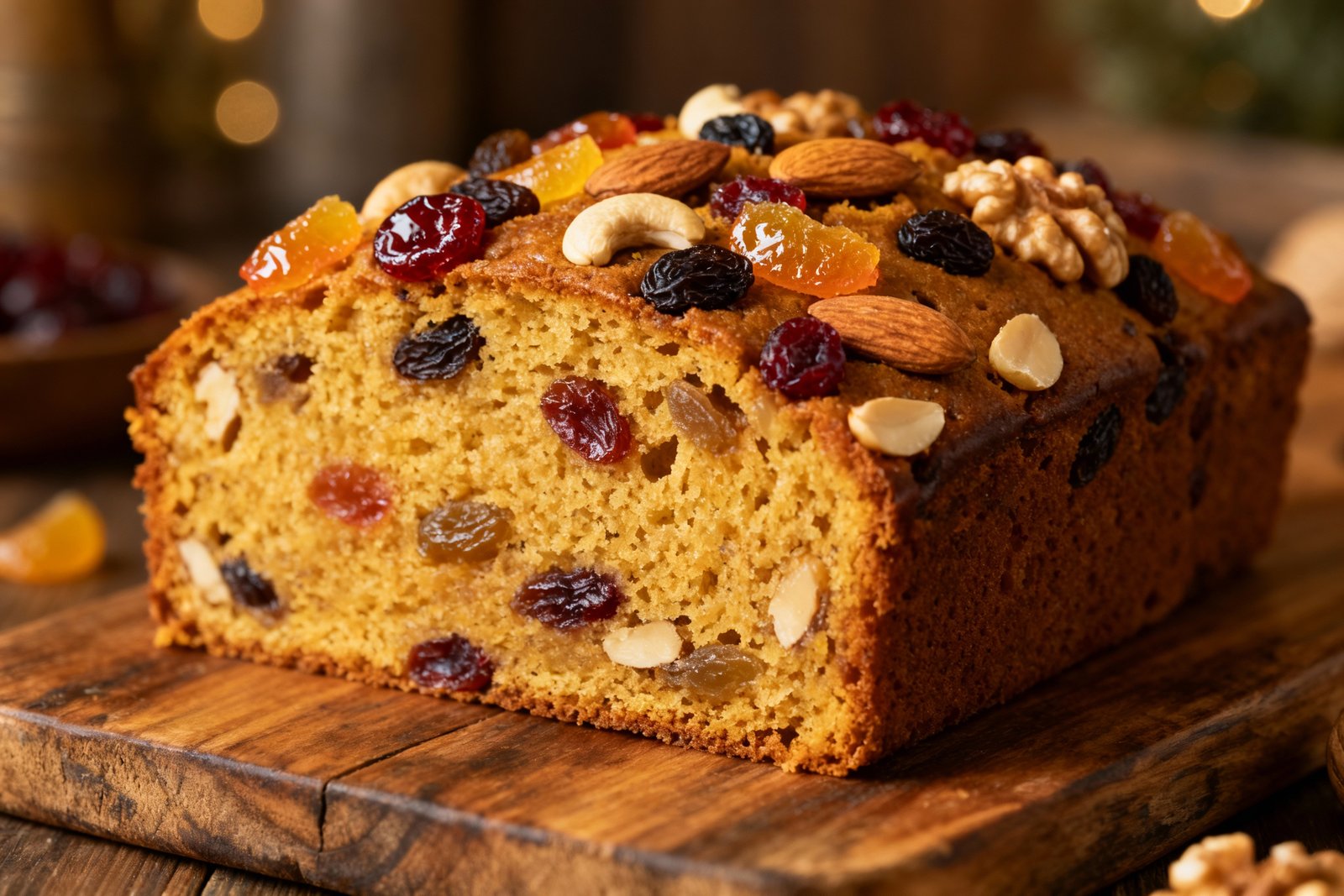
Fruitcake gets roasted in jokes more than it does in ovens, which is tragic because a proper classic fruitcake tastes incredible. Think dense, boozy, spice-kissed cake packed with glossy fruit and crunchy nuts—more treasure chest than dessert. It keeps for ages, gets better with time, and makes your kitchen smell like the holidays moved in.
If you’ve only met the sad, brick-ish version, consider this your redemption arc.
Why Fruitcake Deserves a Comeback
Fruitcake carries history, drama, and honestly, a little swagger. Sailors ate versions of it centuries ago because it lasted longer than their relationships. People soaked it in rum or brandy, wrapped it up, and kept it for months.
That’s not a flaw—that’s a flex. It also delivers the best value per slice. You get sweet, tart, chewy, crunchy, and spiced in every bite. One small wedge hits all the notes.
Serve it thin; savor it slow; brag about it often.
The Anatomy of a Great Classic Fruitcake
A great fruitcake needs balance, not just booze and bricks. You want tender crumbs, jewel-like fruit, and warmth from spices. IMO, a few key decisions make or break it.
- Dried vs. candied fruit: Use a mix.Dried fruit gives chew; candied citrus brings brightness.
- Alcohol: Brandy or dark rum adds depth and helps it age. Use orange juice if you prefer non-alcoholic.
- Fat and sugar: Butter for richness, brown sugar for caramel vibes.
- Spices: Cinnamon, nutmeg, cloves, and ginger. Don’t overdo it.You’re not mummifying anything.
- Nuts: Walnuts or pecans for earthiness; almonds for a cleaner crunch.
Fruit Mix Cheat Sheet
Aim for roughly 5–6 cups of fruit and nuts per standard loaf or small round cake. Try this as a starting point:
- 1 cup golden raisins
- 1 cup chopped dried apricots
- 1 cup chopped dates or figs
- 1 cup candied orange/lemon peel
- 1/2 cup dried cherries or cranberries
- 1–1.5 cups toasted nuts
FYI: Chop everything to raisin-size for even distribution. Big chunks sink and sulk.

Soaking and Seasoning: The Flavor Foundation
Here’s where the magic starts.
You soak the fruit to plump it and infuse flavor. Do this at least overnight; a few days works better. You can even go a week if you’re dedicated (or forgetful).
How to Soak Fruit
- Mix your dried and candied fruit in a large bowl.
- Add 1/2–3/4 cup brandy or dark rum.Orange juice if going alcohol-free.
- Add citrus zest (orange and lemon) and a splash of vanilla.
- Stir, cover, and let it sit. Stir once a day. Try not to “sample” too much.
Pro tip: If the fruit absorbs all the liquid quickly, add another splash.
You’re making fruit sponges, not dust bunnies.
Baking: Low, Slow, and Don’t Rush Me
Fruitcake loves a chill bake. High heat scorches the edges and leaves a gummy center. Low oven. Long bake.
Patience.
Pan and Prep
- Use loaf pans, a tube pan, or small round pans. Line with parchment on the bottom and sides.
- Grease lightly. Fruitcake clings like a koala, so parchment prevents drama.
- Preheat oven to 300°F (150°C).Place a pan of water on a lower rack for gentle humidity.
Batter Basics
- Cream 1 cup softened butter with 1 cup brown sugar.
- Beat in 4 large eggs one at a time. Add 1 teaspoon vanilla and 1–2 tablespoons molasses for depth (optional but excellent).
- Whisk dry ingredients: 2 cups all-purpose flour, 1 teaspoon baking powder, 1/2 teaspoon salt, 1.5 teaspoons cinnamon, 1/2 teaspoon nutmeg, 1/4 teaspoon cloves, 1/2 teaspoon ginger.
- Toss a few tablespoons of the flour mixture with your fruit/nut mix so it doesn’t sink.
- Fold dry ingredients into wet, then fold in the fruit and nuts. Add a few tablespoons milk or orange juice if the batter looks too thick.It should be heavy but spreadable.
The Bake
- Fill pans 3/4 full. Smooth the tops.
- Bake 60–90 minutes for loaves; 90–120 for larger round or tube pans. Check at the 60-minute mark and every 10–15 minutes after.
- Cover with foil if the top darkens too fast.
- It’s done when a skewer comes out mostly clean with a few moist crumbs.
Take a breath.
You did great. The house smells like your grandma’s kitchen, but with better Wi‑Fi.

Feeding and Aging: Where Fruitcake Levels Up
You can eat it now. But if you want that legendary fruitcake complexity, you let it age.
This step turns good cake into unforgettable cake.
How to Feed a Fruitcake
- Cool completely. Poke tiny holes across the top with a skewer.
- Brush or spoon 1–2 tablespoons brandy or rum over the surface.
- Wrap snugly in parchment, then foil. Store in an airtight tin at cool room temp or in the fridge.
- Feed every 1–2 weeks for 4–6 weeks.Go lighter if you like it less boozy.
Non-alcohol option: Use strong tea or apple juice for brushing. Keep it chilled and eat within a couple weeks.
Serving: Make It Pretty, Make It Count
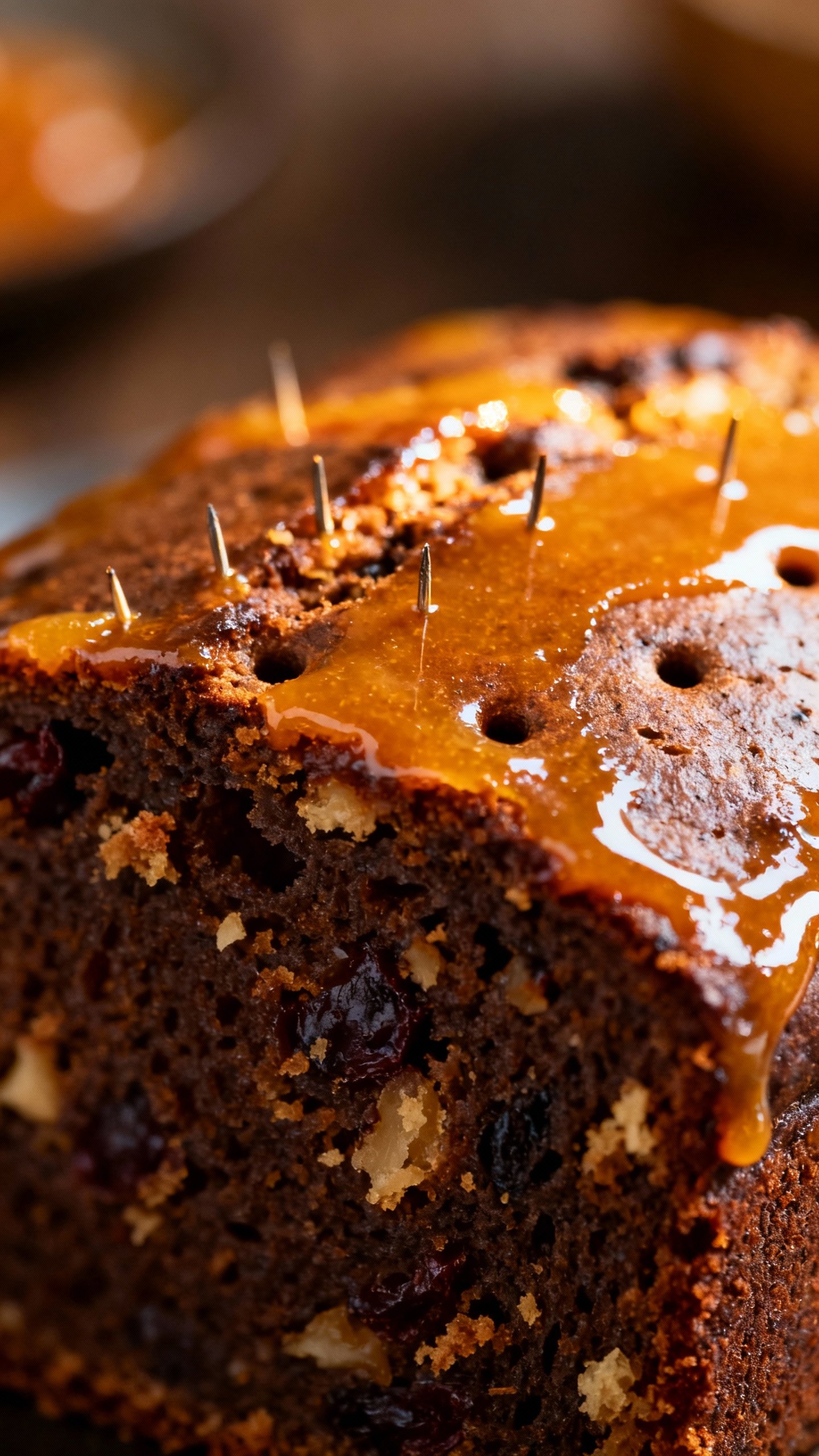
Fruitcake serves best in thin slices. It’s rich, so you don’t need a slab.
Pair with sharp cheddar (trust), a dollop of whipped cream, or a thimble of your soaking spirit.
Finishing Touches
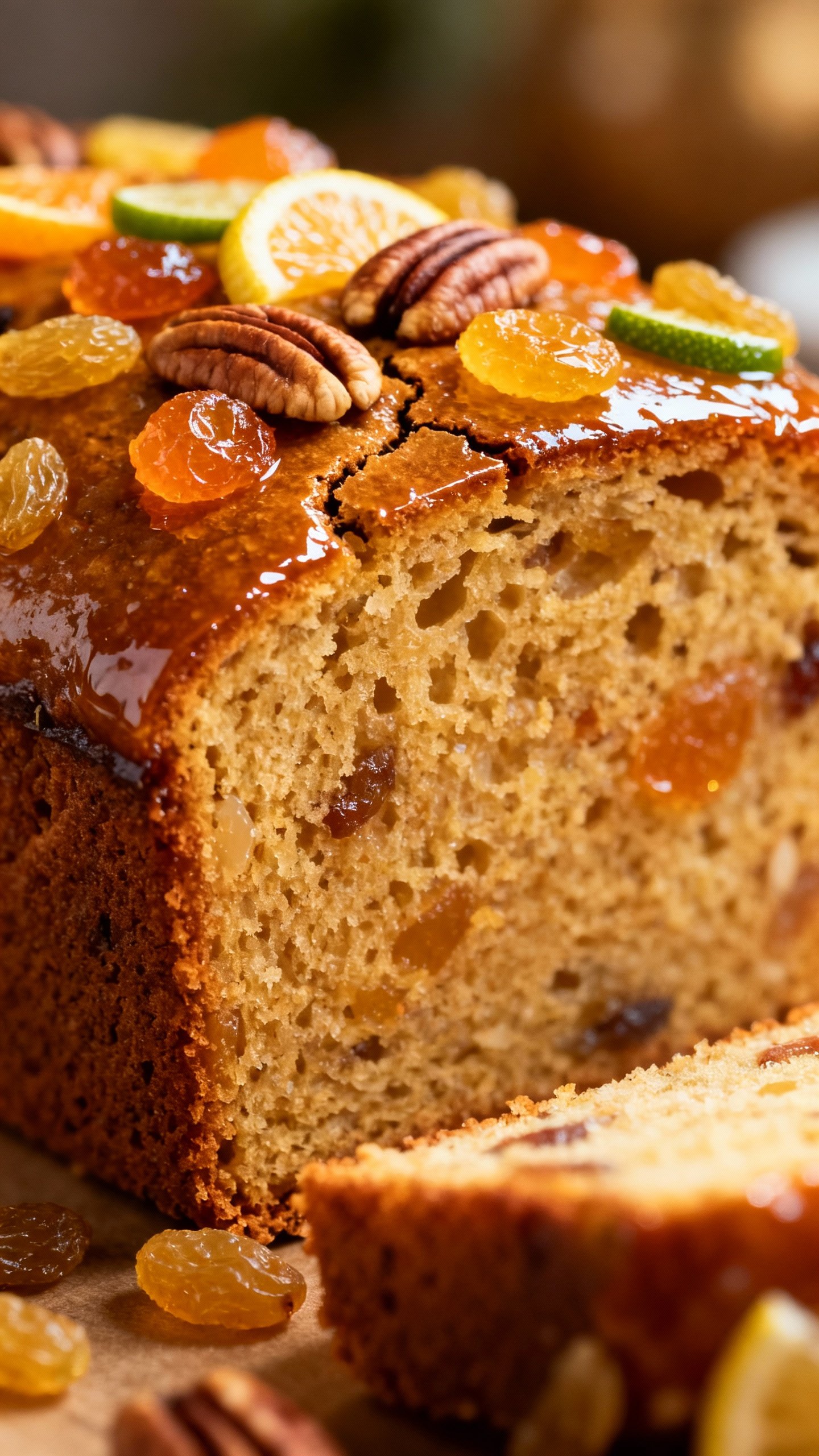
- Apricot glaze: Warm apricot jam with a splash of water, strain, and brush over the cake for shine.
- Marzipan and royal icing: For that classic British look. Smooth marzipan layer, then snowy icing. Fancy but worth it.
- Simple dusting: A little powdered sugar for a minimalist vibe.
Common Pitfalls (And How to Dodge Them)
Let’s prevent the three B’s: bland, brick, and booze-bomb.
Most issues come from rushed steps or unbalanced mixes.
- Dry cake: You overbaked or didn’t soak fruit enough. Add a splash of liquid to the batter next time.
- Sinking fruit: Chop smaller, toss in flour, and don’t overmix the batter.
- Overpowering alcohol: Use measured feeds and let the cake rest. Alcohol mellows with time.
- Bland flavor: Use fresh spices, citrus zest, and molasses.Salt matters too—don’t skip it.
- Crumbly texture: Not enough binding. Make sure the eggs are room temp and fully incorporated.
FAQ
Can I make fruitcake without alcohol and still get great flavor?
Absolutely. Soak fruit in strong black tea, apple juice, or orange juice with a little vanilla.
Brush the finished cake with tea or juice to keep it moist. Store in the fridge and eat within two weeks for best quality.
How far in advance should I bake it?
Ideal window: 4–6 weeks before serving. That gives you time to feed the cake and let flavors marry. If you’re in a rush, bake at least 48 hours ahead so the spices and fruit can settle.
What fruits should I avoid?
Skip fresh fruit and super-moist dried fruit like prunes unless you chop them small and balance with drier fruit.
Avoid neon red “cherries” that taste like cough syrup—use good-quality candied cherries or dried tart cherries instead.
Why does my fruitcake turn out gummy?
You either underbaked it or packed in too much fruit without enough batter. Bake low and slow, and stick to roughly equal parts batter and mix-ins by volume. Also, let it cool completely before slicing; heat makes it seem gummy.
Can I freeze fruitcake?
Yes, fruitcake freezes like a champ.
Wrap it tightly in parchment and foil, then seal in a freezer bag. Thaw overnight in the fridge, then bring to room temp before serving. IMO, freezing actually mellows harsh edges.
How do I scale for gifts?
Use mini loaf pans or muffin tins.
Bake for less time—start checking at 35–40 minutes for minis. Wrap in parchment with a ribbon and include a mini bottle of the soaking spirit if you want instant best-friend status.
Conclusion
Classic fruitcake isn’t a punchline; it’s a project with payback. You soak, you bake, you feed, and then you slice into something rich and celebratory.
Give it time, treat the fruit with respect, and let the spices sing. Do that, and your fruitcake won’t just survive the holidays—it’ll steal the show. FYI, save a slice for January.
You’ll thank yourself later.